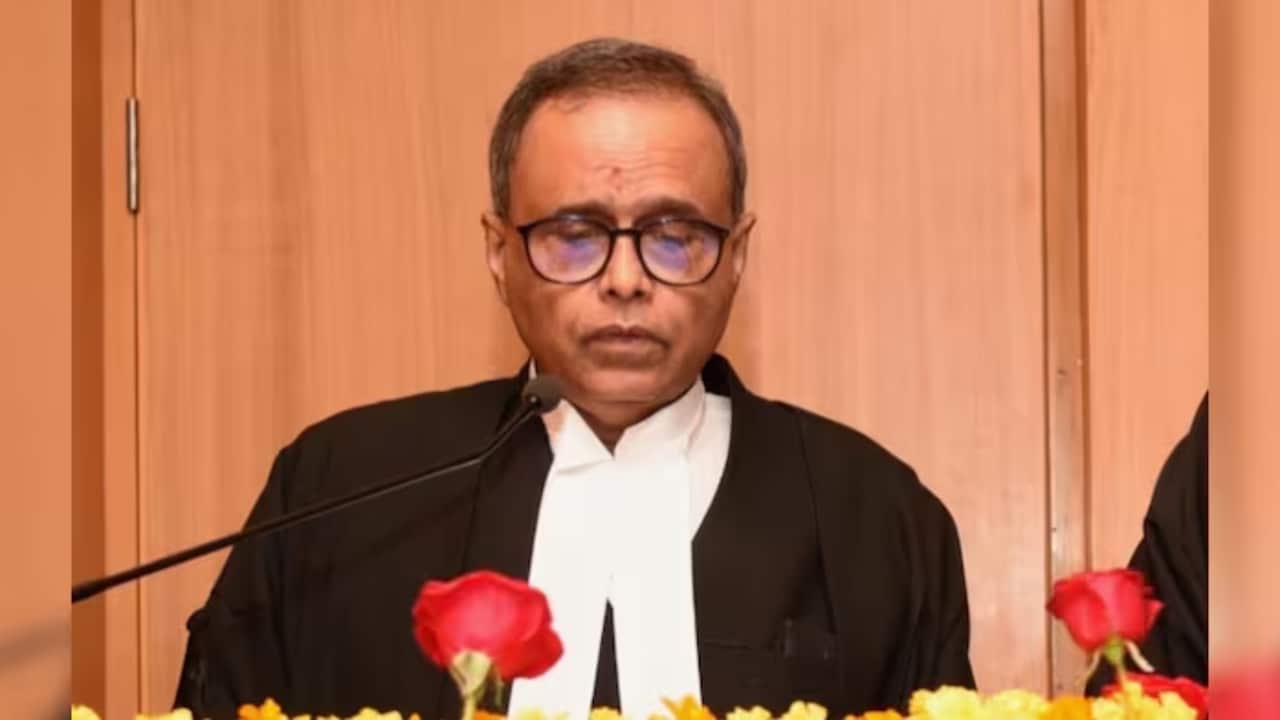
Justice Joymalya Bagchi has issued a stern warning against the influence of social media on the judiciary, stating that fair adjudication must not be sacrificed for 'likes'.
Key Takeaways
- Justice Bagchi warned against the influence of the 'digital mob' on judges.
- He criticized the trend of judging legal fairness based on social media engagement.
- The court emphasized that judicial decisions must remain independent of online public opinion.
In a powerful critique of modern societal trends, Justice Joymalya Bagchi has slammed the growing influence of social media on the judicial process. He remarked that the sanctity of dispassionate adjudication is being auctioned on the altar of 'likes' and viral engagement.
The Rise of the 'Digital Mob'
The judge highlighted a dangerous phenomenon where online sentiment creates a manufactured sense of guilt. According to Justice Bagchi, when a judge makes a legally sound decision to acquit an individual, the online mob often brands that judge as having erred simply because the verdict does not align with popular digital sentiment.
Why This Matters
BozokMedia analysis shows that the intersection of social media speed and judicial deliberation creates a friction point that threatens the rule of law. If judges feel compelled to cater to the whims of the internet to avoid backlash, the fundamental principle of impartial justice is compromised.
Justice must be blind to the noise of the crowd and focused solely on the weight of the law.
Historically, the judiciary has acted as a bulwark against the passions of the masses. However, the instantaneous nature of social media means that a 'trial by social media' often concludes long before a court can even convene, creating a dangerous precedent for legal fairness.
Frequently Asked Questions
Question 1: What does 'dispassionate adjudication' mean?
Answer: It refers to the process of making legal decisions based on facts and law, without being influenced by personal emotions or public pressure.
Question 2: How does social media impact judges?
Answer: It can create immense psychological and professional pressure through coordinated online criticism and trending narratives.