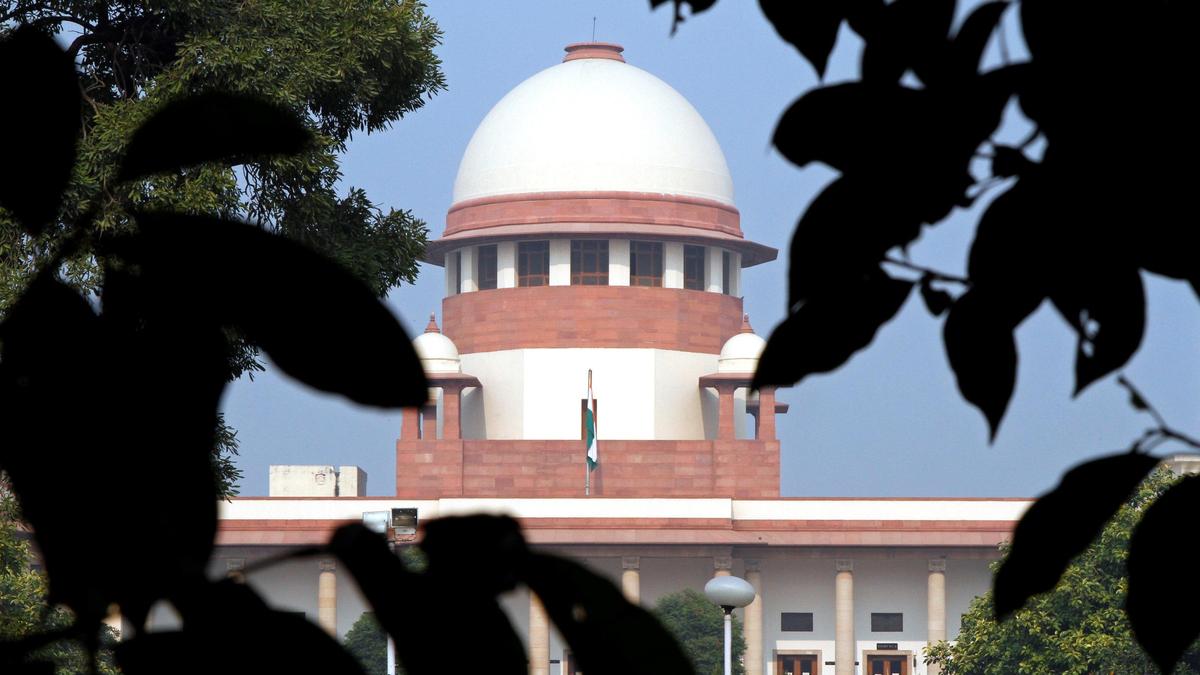
The Supreme Court has ruled that a majority of MLAs or MPs cannot override the official directives of their parent political party. The verdict comes during the ongoing Shiv Sena leadership dispute.
Key Takeaways
- A group of legislators cannot bypass party directives simply by holding a majority.
- The Court distinguished between the 'Original Political Party' and the 'Legislature Party'.
- Justice Bagchi emphasized that democratic maturity relies on ideological constancy.
- The ruling addresses the systemic issue of floor-crossing and political defections.
New Delhi: In a significant observation regarding the stability of democratic institutions, the Supreme Court of India has declared that a group of legislators, even if they hold a majority, cannot override the official decisions and will of their parent political party. This observation was made during the intense legal battle between the Shiv Sena factions led by Uddhav Thackeray and Eknath Shinde.
The Essence of Democracy
Presiding over a three-judge Bench, Justice Joymalya Bagchi remarked that the true measure of a mature democracy lies in the steadfastness of political parties and their members to their core ideologies. The court is examining whether the recent trend of coordinated defections undermines the electoral mandate provided by the citizens.
The control of the political party subsists over the legislature party; any valid decision of the party must prevail.
BozokMedia analysis shows that this judgment seeks to curb the culture of 'engineered mergers' where legislators switch allegiances to topple governments. Senior Advocate Kapil Sibal argued that such maneuvers turn the electoral process into a farce, where the government formed is not the one the people actually voted for.
Legal Distinction: Party vs. Legislature
The Court revisited the 2023 Constitution Bench judgment in Subhash Desai vs. Principal Secretary, Governor of Maharashtra, clarifying the distinction between two vital legal entities under the Tenth Schedule.
| Concept | Original Political Party | Legislature Party |
|---|---|---|
| Scope | The broad organization with ideology. | The group of elected members within the House. |
| Authority | Holds supreme decision-making power. | Acts as the representative body in the legislature. |
| Legal Status | Primary entity for ideological continuity. | Recognized for limited defense against disqualification. |
The Court highlighted that if legislators attempt to remove party office-bearers through coordinated acts, such conduct could be interpreted as voluntarily giving up party membership.
Frequently Asked Questions
1. Can a faction of MLAs form a new party?
While they can form a group, the Court suggested that acting against the parent party's will may result in losing their membership under the Tenth Schedule.
2. What is the difference between a 'Split' and a 'Merger'?
A 'Split' was a defense previously available under the Tenth Schedule, but it was omitted in 2003; 'Mergers' are now the primary way parties consolidate, often leading to legal disputes over legitimacy.