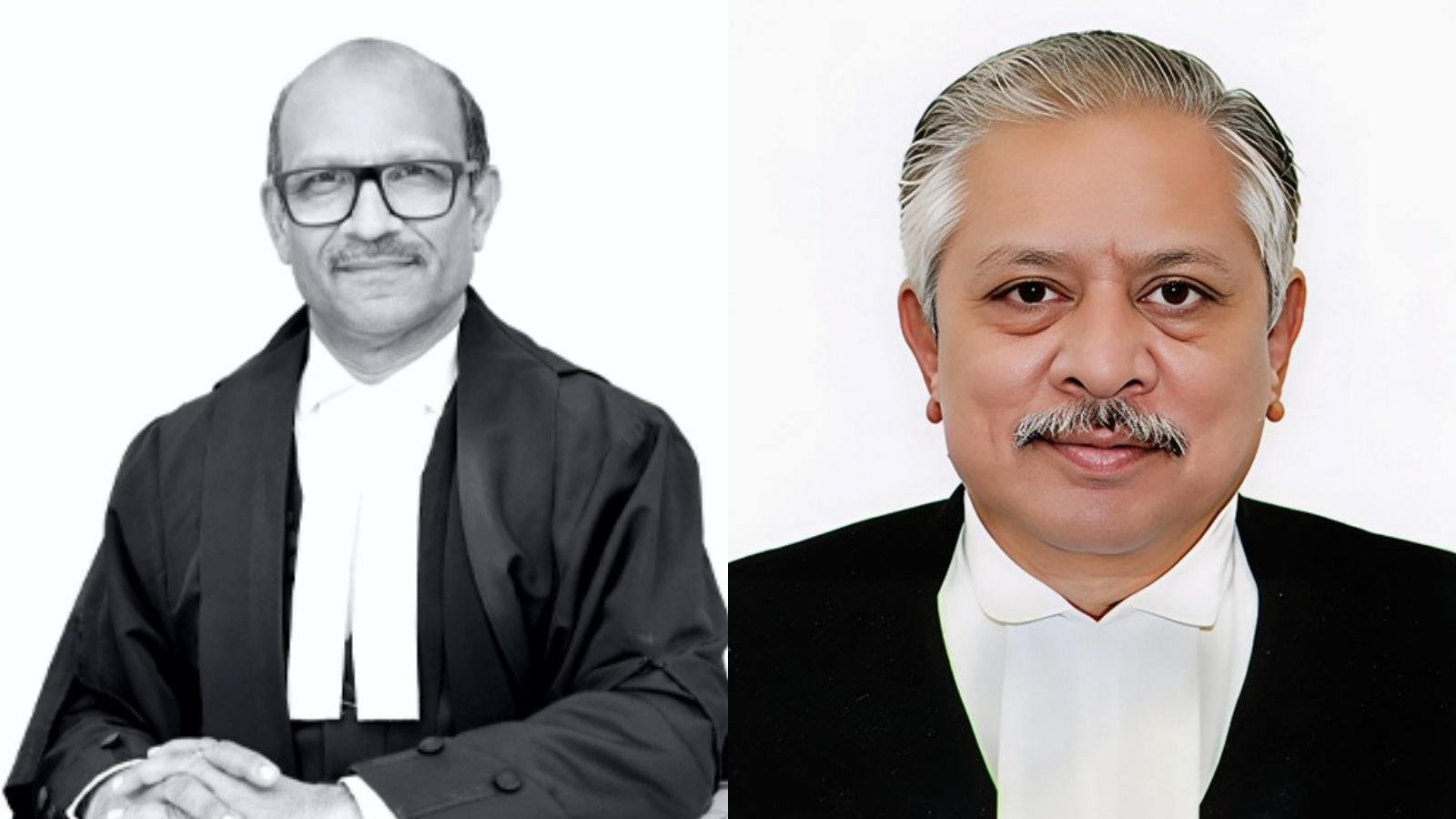
The Madras High Court has observed that unverified social media allegations against newly inducted ministers can cause anxiety and interfere with their official duties. The court has ordered a content creator to apologize for false claims against HR&CE Minister Ramesh.
- Madras High Court warns that baseless social media attacks on ministers hinder governance.
- A content creator was directed to file an affidavit expressing regret for false allegations against Minister Ramesh.
- The court distinguished between legitimate political criticism and defamatory imputations.
The Madras High Court has issued a stern warning regarding the impact of digital misinformation, stating that reckless allegations made on social media against newly inducted Ministers in the Tamil Nadu government could cause unnecessary anxiety and ultimately interfere with their official performance.
Justice D. Bharatha Chakravarthy made these observations while directing a DMK sympathizer, Vinoth Suriya Kumar, to file an affidavit expressing regret. Kumar had allegedly posted a false claim on 'X' (formerly Twitter) asserting that land belonging to the Palani Dhandayuthapaniswamy Temple had been registered in the name of a relative of the Hindu Religious and Charitable Endowments (HR&CE) Minister, Ramesh.
Historical Context of the Dispute
The controversy stems from the registration of Palani Math land. Investigations revealed that the attempts to register this temple land in the names of private individuals occurred prior to the 2026 Assembly elections, a period when Mr. Ramesh was not holding any ministerial office. The court noted that the timing of the allegations was politically motivated rather than factually grounded.
Why This Matters
BozokMedia analysis shows that the rise of instant social media commentary often bypasses traditional fact-checking mechanisms. When political figures are targeted with unverified claims, it creates a climate of suspicion that can paralyze administrative decision-making and individual focus during critical transition periods in governance.
The boundary between political dissent and defamatory character assassination is being increasingly blurred by unverified digital content.
Legal Nuances and Court Ruling
While the court upheld the right to political criticism, it emphasized that the specific posts in question appeared to be defamatory. However, the judge quashed an FIR registered against the content creator by the Minister's personal assistant. The court ruled that the sections of the Bharatiya Nyaya Sanhita (BNS) invoked by the cybercell were inapplicable, as there was no evidence of intent to incite riots or spread public alarm.
Frequently Asked Questions (FAQ)
1. What was the specific allegation made against Minister Ramesh?
The petitioner alleged that Palani Temple land was illegally registered under the name of the Minister's relative.
2. Can the Minister pursue further legal action?
Yes, the Court explicitly stated that this order does not prevent the Minister from initiating civil or criminal defamation proceedings.