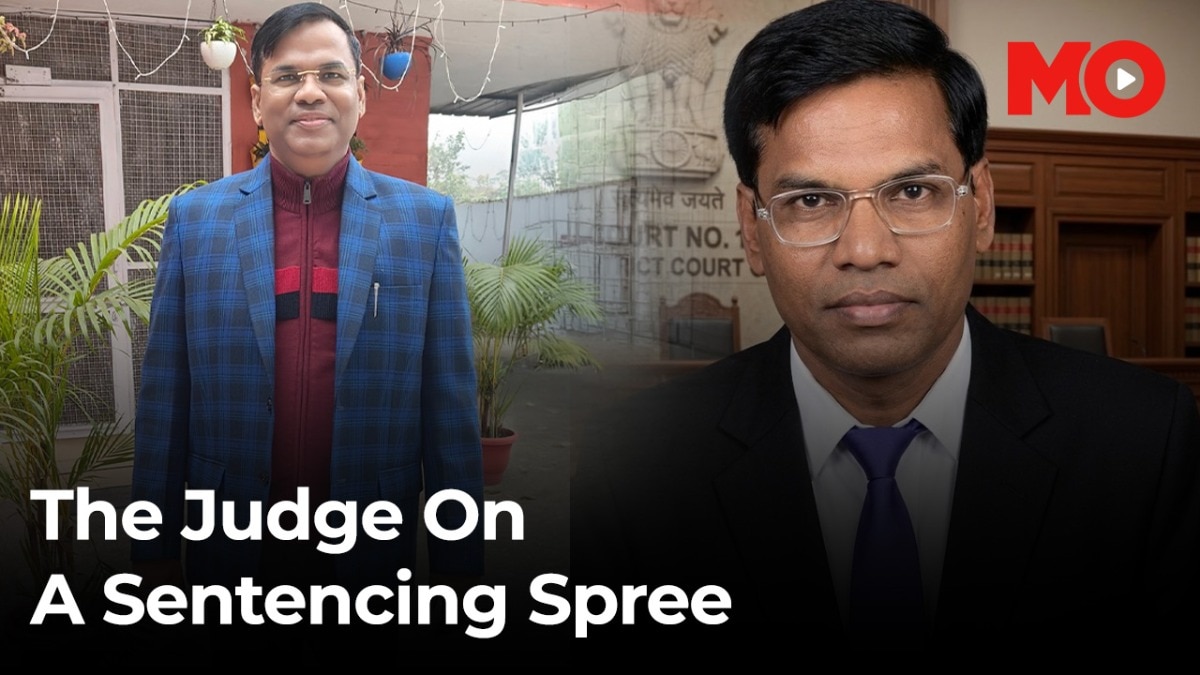
A judge in Uttar Pradesh has delivered death sentences in 22 different cases, marking a significant and rare trend in the regional judicial landscape. This report explores the implications of such stringent sentencing.
- A specific judge in Uttar Pradesh has handed down 22 death sentences to date.
- The rulings reflect a highly stringent judicial stance on heinous crimes.
- Legal experts are analyzing the pattern of these sentences regarding the 'Rarest of Rare' doctrine.
In a significant development within the judicial corridors of Uttar Pradesh, reports have surfaced highlighting a judge who has presided over 22 cases resulting in the death penalty. This unprecedented frequency of capital punishment by a single judicial officer has sparked intense debate regarding sentencing patterns and the application of criminal law in the state.
The sentences handed down by the court typically involve crimes deemed exceptionally brutal and socially abhorrent. Such a high volume of death sentences suggests a judicial philosophy aimed at deterrence, sending a clear and uncompromising message to perpetrators of violent crimes.
Why This Matters
BozokMedia analysis shows that the frequency of capital sentencing by a single judge can have profound implications for the appellate process. High-profile death penalty cases almost inevitably lead to lengthy legal battles in the High Courts and the Supreme Court, placing a significant burden on the higher judiciary to review the consistency and legality of these judgments.
The recurring application of the death penalty necessitates a rigorous scrutiny of the 'Rarest of Rare' doctrine to ensure judicial consistency.
Historically, the Indian judiciary has been cautious with the death penalty. The Supreme Court has consistently emphasized that capital punishment should be reserved for the most extreme cases, balancing the gravity of the crime against the possibility of the offender's reformation. The concentration of such sentences in one courtroom raises questions about the interpretative framework used by the presiding judge.
Comparison of Sentencing Approaches
| Basis of Comparison | Standard Judicial Approach | Current Case Pattern |
|---|---|---|
| Primary Sentence | Life Imprisonment | Death Penalty |
| Crime Category | Serious Offenses | Heinous/Extreme Crimes |
| Judicial Philosophy | Rehabilitative | Retributive/Deterrent |
Legal scholars suggest that while stringent sentencing may aim to instill fear in criminals, it must not bypass the constitutional safeguards designed to prevent arbitrary punishment. The scrutiny of these 22 cases will be vital in determining whether they meet the stringent legal thresholds required for capital punishment in India.
Frequently Asked Questions
Question 1: Can a death sentence be appealed?
Yes, every death sentence is subject to mandatory review by the High Court and can further be appealed to the Supreme Court of India.
Question 2: Why is the 'Rarest of Rare' doctrine important?
It serves as a legal safeguard to ensure that the death penalty is only applied in the most extreme and exceptional circumstances.