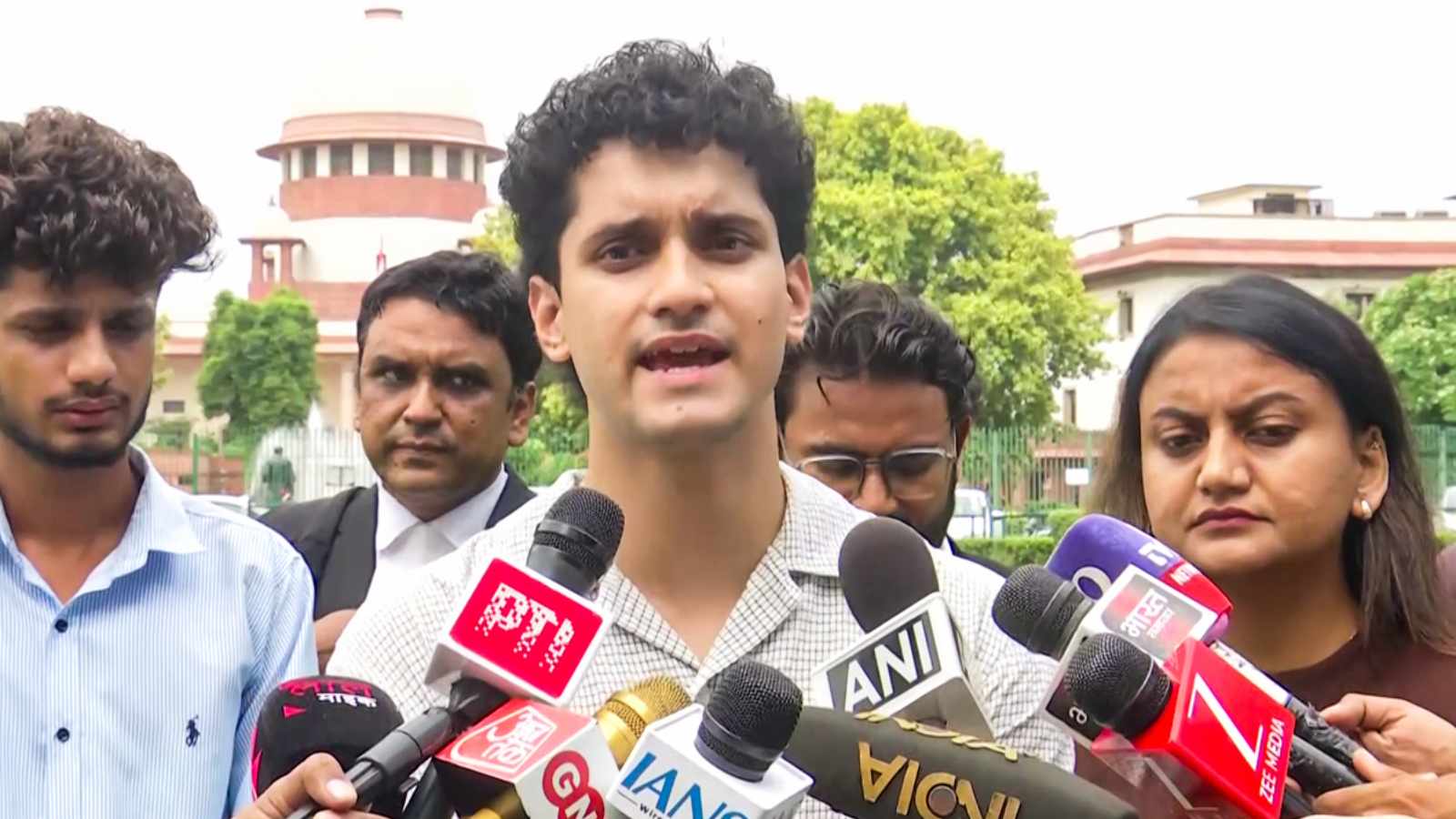
The Delhi High Court has issued summons to digital portals and political commentator Abhijit Iyer-Mitra following allegations that they violated CJP spokesperson Saurav Das's privacy by circulating his home address.
- Delhi High Court issued summons regarding the alleged invasion of Saurav Das's privacy.
- Digital media portals, social media intermediaries, and Abhijit Iyer-Mitra are among the defendants.
- The plaintiff, Saurav Das, is seeking damages through a civil suit.
New Delhi: In a significant move regarding digital privacy, the Delhi High Court on Monday issued summons to several digital media portals, social media intermediaries, and political commentator Abhijit Iyer-Mitra. The legal action follows allegations that these entities invaded the privacy of Saurav Das, the spokesperson for the Cockroach Janta Party (CJP), by circulating his private residential address online.
Das has filed a civil suit seeking substantial damages, claiming that the unauthorized disclosure of his location poses a threat to his personal safety and constitutes a direct violation of his right to privacy. The case highlights the growing tension between digital dissemination of information and individual security.
Legal Proceedings and Arguments
Appearing for the plaintiff, Senior Advocate Akhil Sibal informed Justice Sachin Datta that several of the offending posts, which explicitly disclosed Das's home address, had already been removed by X Corp (formerly Twitter). Sibal strongly urged the court to pass orders ensuring that these posts are not reinstated by the platform.
While Justice Datta did not pass any immediate interim orders, he directed the defendant parties to file their formal replies within 10 days. The court's decision to seek replies indicates the seriousness with which the judiciary is viewing the breach of personal data in the digital sphere.
Why This Matters
BozokMedia analysis shows that this case could set a landmark precedent for how Indian courts handle 'doxing'—the act of publishing private information online with malicious intent. As digital footprints become harder to manage, judicial intervention may become the primary shield for public figures against online harassment.
The boundary between public interest reporting and the violation of individual privacy is becoming increasingly blurred in the age of instant social media updates.
Historical Background: The legal framework for privacy in India was significantly strengthened by the landmark Supreme Court judgment in the Justice K.S. Puttaswamy (Retd.) vs Union of India case, which declared privacy a fundamental right under Article 21 of the Constitution.
Frequently Asked Questions
1. What is the core allegation in this lawsuit?
The core allegation is that various digital entities published Saurav Das's private residential address without his consent, violating his privacy.
2. Who are the primary defendants in the case?
The defendants include digital media portals, social media intermediaries, and political commentator Abhijit Iyer-Mitra.