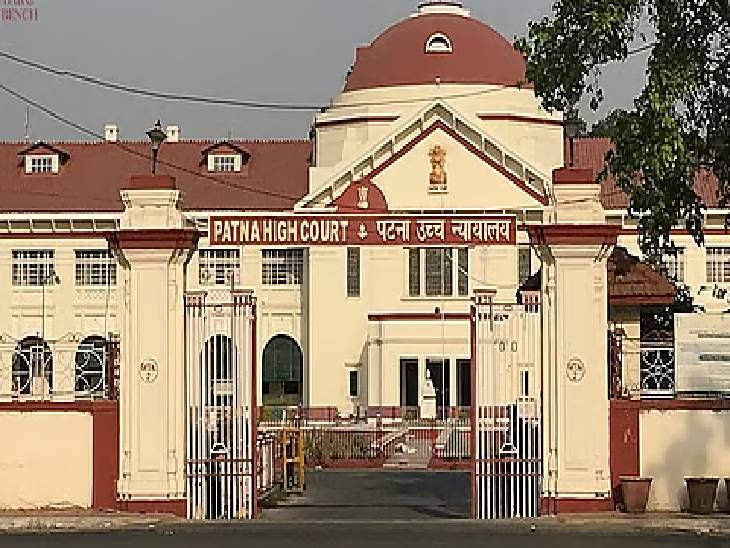
In a landmark judgment, the Patna High Court has ruled that a second wife is legally entitled to receive family pension, quashing a previous departmental order that denied these rights.
- Patna High Court grants family pension rights to the second wife.
- The Water Resources Department's 2019 order has been quashed.
- The Court directed immediate payment of arrears and issuance of positive orders.
The Patna High Court has delivered a significant verdict emphasizing social justice, ruling that the second wife of a deceased government employee is legally entitled to claim family pension. A single bench presided over by Justice Purushottam Singh quashed a 2019 order by the Water Resources Department that had previously denied pension benefits to the widow.
The case originated from a writ petition filed by Kusum Devi. The legal dispute centered around the late Jai Lal Sah, who served as a Grade-III Clerk in the Water Resources Department. Mr. Sah passed away on April 17, 2009, and his first wife subsequently passed away on December 10, 2009. Kusum Devi, his second wife, had been fighting for her rightful sustenance.
Administrative Negligence and Legal Gaps
During the proceedings, it was revealed that Jai Lal Sah had formally applied to the department seeking permission for a second marriage, as he had no children with his first wife. However, the department failed to act on this application, leaving it in a state of perpetual limbo. This administrative inaction became the crux of the legal battle, as the department used this lack of formal approval to deny pension benefits to the second wife.
This judgment serves as a critical check on administrative apathy, ensuring that procedural delays do not strip dependents of their fundamental rights to survival.
Why This Matters
BozokMedia analysis shows that this ruling sets a powerful precedent for administrative law in India. It clarifies that when a government department fails to process a legitimate request for permission, it cannot later use its own inaction as a ground to deny benefits to the aggrieved party. This decision will likely influence numerous pending cases involving domestic complexities and service benefits.
The High Court has directed the concerned authorities to pass positive orders in accordance with the judgment and ensure the immediate disbursement of all pending arrears to Kusum Devi.
Frequently Asked Questions
1. Why did the department initially deny the pension?
The department cited the lack of a formal decision on the deceased employee's application for permission to remarry.
2. What was the court's specific instruction to the officials?
The court ordered officials to issue a positive order and ensure the payment of all due arrears.