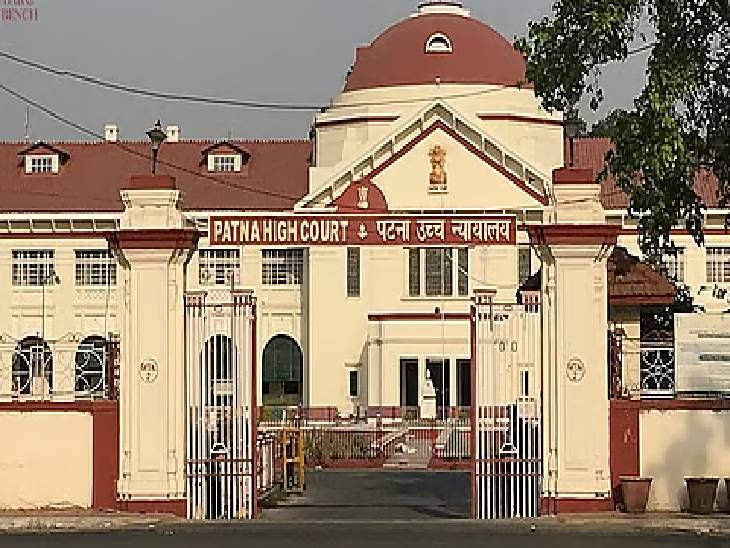
The Karnataka High Court has dismissed a plea by former BJP MLA Subhash Guttedar to scrap charges related to the illegal removal of nearly 6,000 voters from electoral rolls. The court directed the accused to seek discharge from the trial court, paving the way for imminent charge framing.
- Karnataka High Court rejected the plea of former BJP MLA Subhash Guttedar to scrap a chargesheet in the Aland 'vote theft' case.
- The case involves the alleged illegal deletion of 5,994 active voters from the electoral rolls ahead of the 2023 Assembly elections.
- A complex network involving a data center and an OTP-bypass service from West Bengal was allegedly used to manipulate the ECI portal.
In a significant legal setback for the former BJP legislator, the Karnataka High Court on Tuesday rejected a petition filed by Subhash Guttedar, his son Harshanand, and personal secretary Thipperudra. The petitioners had sought to quash the chargesheet filed by the CID in the controversial 2023 Aland 'vote theft' case. The bench explicitly directed the accused to approach the trial court for discharge, noting that the High Court would only entertain further pleas if the trial court's discharge request is denied.
The legal proceedings have now shifted back to a special court in Bengaluru designated for cases against elected representatives, which has scheduled September 16 for the framing of charges. This follows the court taking cognisance of the CID's detailed chargesheet in April.
The Mechanics of the Alleged Fraud
The investigation reveals a sophisticated operation to tilt the electoral scales. According to the SIT chargesheet, Guttedar and his associates allegedly identified voters unlikely to support the BJP and compiled lists for deletion. These lists were reportedly sent to a Kalaburagi-based data center operated by Akram Pasha, Aslam Pasha, and Mohammed Ashfaq, who were allegedly paid ₹80 per deletion request.
To penetrate the Election Commission of India (ECI) portal's security, the operators allegedly employed Bapi Adya, a 27-year-old from West Bengal. Adya operated a platform called 'OTPbazaar,' linked to a US-based site 'SMSAlert,' which utilized OTPs generated across 72 phone numbers spanning 17 different states to bypass authentication. Adya was eventually apprehended in Nadia district, West Bengal, in November 2025.
Why This Matters
BozokMedia analysis shows that this case transcends a simple local election dispute; it highlights a critical vulnerability in digital democratic infrastructure. The use of third-party OTP-bypass services to manipulate official government records suggests a dangerous intersection of political ambition and cybercrime. The fact that nearly 6,000 voters were targeted indicates a systemic attempt to engineer an electoral outcome through digital erasure.
The Aland case serves as a cautionary tale about the fragility of digital electoral rolls and the urgent need for multi-factor biometric verification in voter management.
The conspiracy came to light in February 2023 when local Congress workers, supporting candidate B R Patil, noticed unauthorized deletions. A subsequent door-to-door audit of 254 polling booths confirmed that 5,994 of the 6,018 requested deletions were actually active residents of Aland. Furthermore, the police have alleged that Guttedar attempted to destroy evidence by burning documents during a residence search in October 2025, a claim the MLA dismissed as routine festival cleaning.
| Feature | Pre-2025 System | Post-Aland Update (Sept 2025) |
|---|---|---|
| Authentication | Standard OTP | Identity-Verified OTP |
| Vulnerability | Susceptible to OTP-Bypass services | Enhanced security against third-party tools |
| Verification | Digital-first | Stricter identity-linked validation |
Frequently Asked Questions
Q1: Who is Subhash Guttedar?
Subhash Guttedar is a four-time former MLA from the Aland constituency who won the 2018 seat by a narrow margin of 697 votes but lost the 2023 election to B R Patil.
Q2: How was the OTP bypass achieved?
The accused allegedly used a service called OTPbazaar, which routed authentication codes through a network of 72 phone numbers across 17 states to deceive the ECI portal.