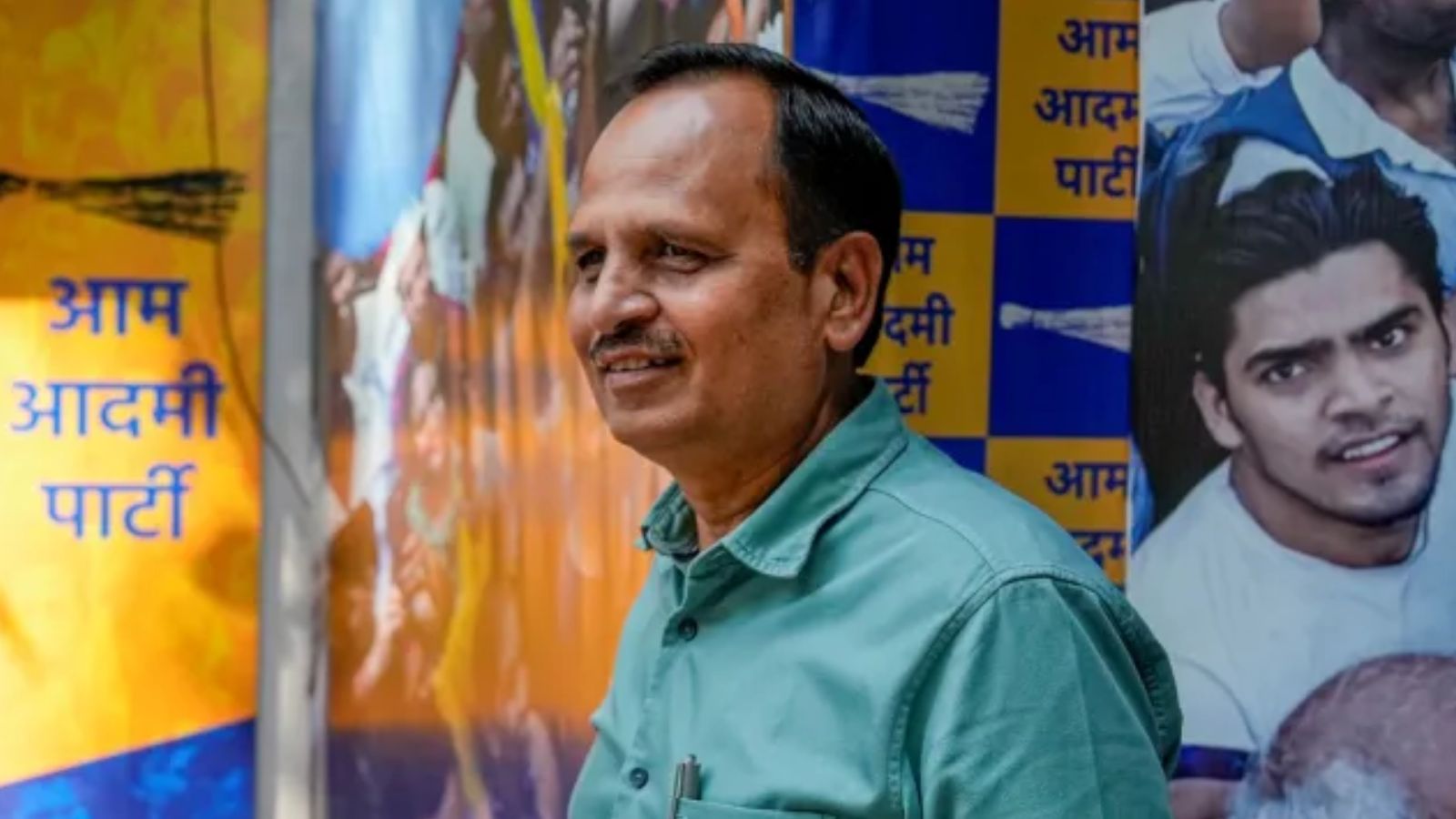
A Delhi court has granted bail to AAP leader Satyendar Jain in the alleged STP tender scam, noting a lack of direct links to kickbacks and questioning the 27-month delay in his arrest.
- The court noted that Jain did not approve or sign the corrigendums that altered work specifications.
- No WhatsApp chats, SMS, or call records link Jain to alleged kickbacks or hawala transactions.
- The court flagged an "unexplained and extraordinary" 27-month gap between the FIR and the arrest.
- Investigating agencies were advised to gather more evidence before rushing to arrest.
In a significant legal development, a Delhi court on Thursday granted bail to Satyendar Jain, a senior leader of the Aam Aadmi Party (AAP) and former Delhi Minister, in the alleged multi-crore sewage treatment plant (STP) tender scam. Special Judge Dig Vinay Singh of the Rouse Avenue Court emphasized that the prosecution failed to establish a direct link between Jain and the alleged illegal financial transactions at this stage.
No Signature on Tender Corrigendums
A pivotal point in the court's decision was the technicality of the tender process. The judge observed that none of the corrigendums—formal corrections that changed the specifications of the work—were approved or signed by Jain. Instead, these documents were authorized by the former Delhi Jal Board (DJB) CEO, Udit Prakash Rai, who is also an accused in the case.
Why This Matters
BozokMedia analysis shows that this ruling sets a high bar for establishing ministerial complicity in technical corruption cases. It underscores that mere administrative oversight or 'eyebrow-raising' decisions are insufficient grounds for incarceration without concrete, documented proof of involvement in the actual fraudulent modifications.
The investigating agency ought to have first conducted a thorough investigation and gathered more evidence before rushing to arrest the applicant.
Furthermore, the court highlighted a massive evidentiary gap. Despite the allegations of massive kickbacks and hawala transactions, the prosecution could not produce any digital footprints—such as WhatsApp chats, SMS, or call records—that directly connect Satyendar Jain to the accused parties involved in the money trail.
Questioning the 27-Month Delay
One of the most stinging observations made by the court was regarding the timeline of the investigation. The FIR was registered on May 11, 2024, yet Jain was not arrested until August 18 of this year. The court termed this 27-month gap as "unexplained and extraordinary," noting that the agency had seemingly found no necessity for his physical custody for over two years.
The court further noted that the Anti-Corruption Branch (ACB) had already seized the primary documentary and electronic evidence, including bank statements and meeting minutes, making custodial interrogation unnecessary at this juncture.
Frequently Asked Questions
1. What was the primary reason for Satyendar Jain's bail?
The court found no direct evidence (like chats or signatures) linking him to the tender modifications or the alleged kickbacks.
2. Why did the court criticize the investigating agency?
The court criticized the agency for the unexplained 27-month delay between the FIR and the arrest, suggesting a lack of necessity for custody.