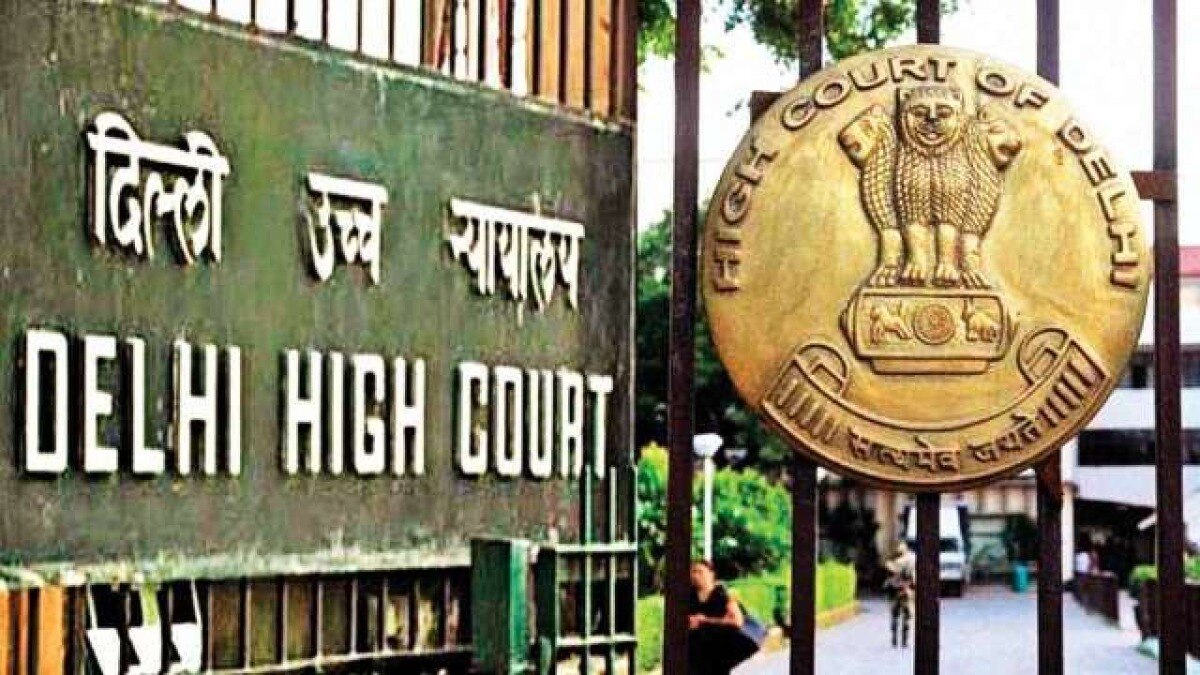
In a landmark ruling, the Delhi High Court has permitted the Canadian government to pursue a civil recovery suit in India against former Ontario official Sanjay Madan to trace and reclaim misappropriated funds.
- Delhi HC rejected objections to Canada's recovery suit against Sanjay Madan.
- The case involves millions of dollars allegedly siphoned from Canadian public programs.
- Funds were reportedly transferred to bank accounts in India.
- The ruling paves the way for tracing assets across borders.
The Delhi High Court has granted the Government of Canada permission to pursue a civil recovery suit in India against Sanjay Madan, a former Ontario government official of Indian origin, and others. This significant ruling clears the way for international efforts to trace and recover millions of dollars allegedly siphoned from Canadian public programs and moved into Indian bank accounts and assets.
Justice Vikas Mahajan dismissed an application filed by Madan seeking the rejection of the plaint, stating that the application lacked merit. The court held that Canada is entitled to approach Indian courts to recover funds that were allegedly defrauded from the public and subsequently transferred to India.
Historical Background
The case is rooted in a massive fraud investigation in Canada. Sanjay Madan, a former employee of Ontario’s Ministry of Education, pleaded guilty in April 2023 to charges involving a scheme that defrauded the Government of Ontario of millions. Between 2011 and 2020, Madan admitted to abusing his official position to facilitate fraudulent activities and kickback arrangements.
The fraud involved two primary schemes: the 'Support for Families Program' during the COVID-19 pandemic, which saw over 78,000 fraudulent applications, and a 'Fee for Service Consultants' scheme involving IT consulting contracts. Canadian authorities allege that at least CAD 33.3 million remains unrecovered and is located within India.
Why This Matters
BozokMedia analysis shows that this ruling sets a critical precedent for cross-border asset recovery and international fraud investigations. It highlights the growing capability of judicial systems to cooperate in tracing illicit financial flows that exploit jurisdictional boundaries.
This ruling reinforces the principle that geographical borders cannot serve as a shield for misappropriated public funds.
A central point of contention was whether the Delhi High Court had jurisdiction. The court noted that since the fraudulent proceeds were transferred into bank accounts maintained in Delhi, the cause of action arose within its territorial limits, thereby conferring jurisdiction.
Frequently Asked Questions
1. Who is Sanjay Madan?
He is a former Ontario government official who pleaded guilty to fraud and abuse of office in Canada.
2. Why must Canada sue in India instead of just using Canadian orders?
Since Canada is not a reciprocating territory under Indian law, Canadian decrees cannot be automatically executed in India.