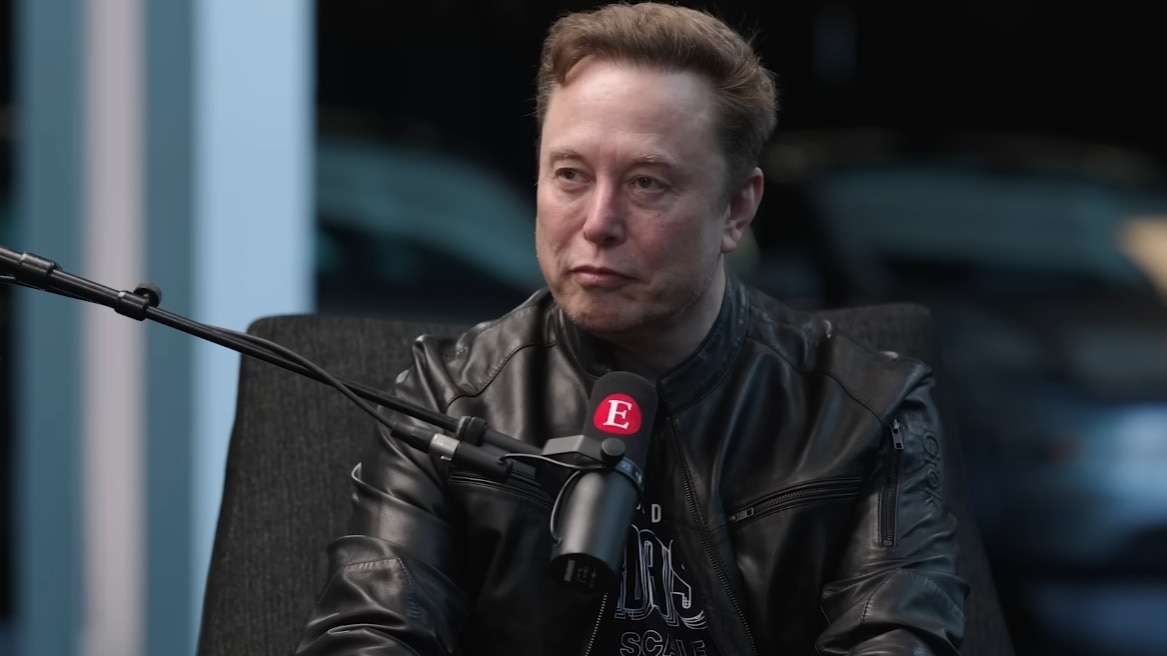
Elon Musk has hit back at accusations of racism, pointing to his Indian partner and a son named after Nobel laureate Subrahmanyan Chandrasekhar as evidence of his global outlook.
Key Takeaways
- Elon Musk denied all allegations of racism during a recent interview.
- He highlighted his Indian heritage through his partner and his son's name.
- Musk defended his companies' diversity and his stance on immigration.
Billionaire entrepreneur Elon Musk has launched a fierce defense against allegations of racism, using his personal life and professional leadership as evidence. In a high-profile interview with The Economist, Musk argued that the claims of him promoting far-right or racist ideologies are fundamentally flawed.
To support his stance, Musk pointed to his personal connections, noting that his partner is of Indian heritage. He further revealed a deeply personal tribute: one of his children was named after the legendary Indian-American astrophysicist Subrahmanyan Chandrasekhar. Musk explained that his son's name, Strider Sekhar, incorporates 'Sekhar' as a direct homage to the Nobel Prize winner.
Why This Matters
BozokMedia analysis shows that Musk's attempt to bridge his controversial political persona with his personal multicultural ties is a strategic move. As the owner of X, his influence on global discourse is unparalleled, making his defense against labels of extremism critical for his corporate and social standing.
"By invoking the legacy of a scientific icon like Chandrasekhar, Musk is attempting to pivot the conversation from political controversy to intellectual appreciation."
The interview also delved into Musk's controversial views on immigration and Western values. While addressing critics who label his views as anti-Muslim, Musk maintained that his concerns are centered on 'incompatible values' rather than religious identity. He emphasized his support for strong borders and traditional Western legal frameworks.
Frequently Asked Questions
1. Who is the Indian physicist Musk mentioned?
He referred to Subrahmanyan Chandrasekhar, a Nobel Prize-winning astrophysicist known for his work on stellar evolution.
2. What was Musk's response to racism claims?
Musk stated that his diverse leadership teams and his personal family ties prove he is not racist.