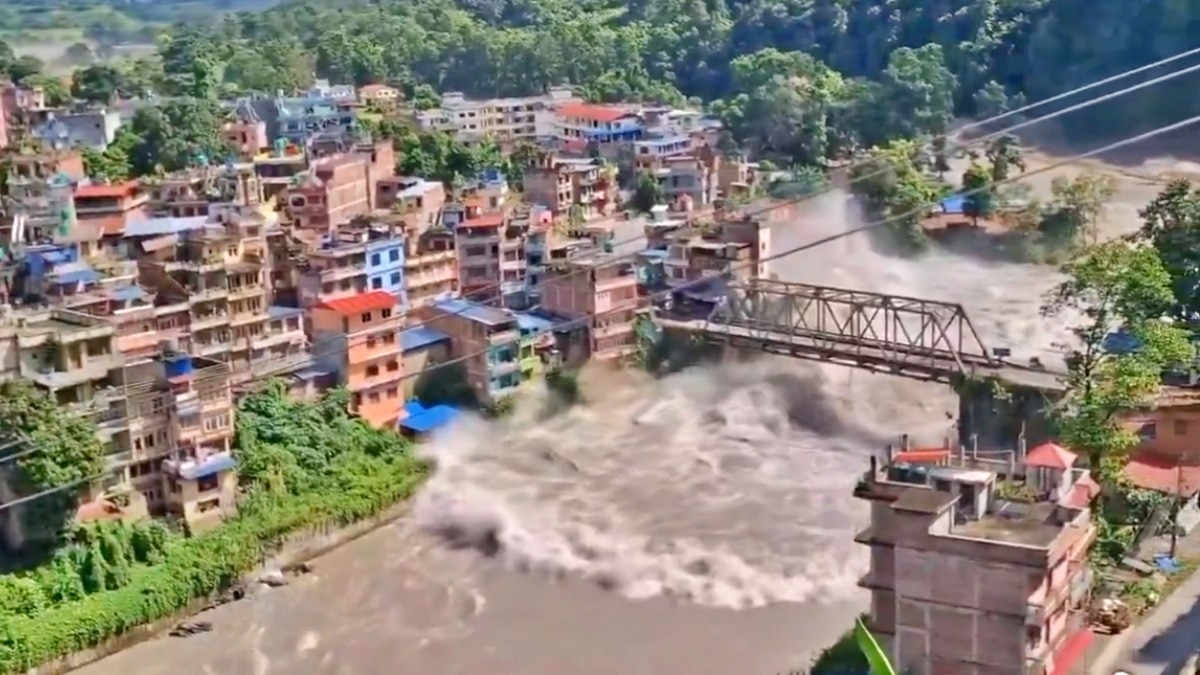
An in-depth exploration of the mechanics of flash floods and the specific geographical and climatic factors that make Nepal one of the most vulnerable nations.
- Flash floods are rapid-onset events caused by intense rainfall or glacial melts.
- Nepal's steep Himalayan topography accelerates water runoff and destruction.
- Climate change and glacial melting are intensifying the frequency of these disasters.
A flash flood is a rapid and extreme rise of water in a stream or other watercourse. Unlike gradual river flooding, flash floods occur within minutes or hours of heavy rainfall, making them exceptionally deadly due to the lack of warning time. For a nation like Nepal, these events are not just seasonal occurrences but recurring catastrophes that reshape the landscape.
The primary driver of flash flooding in Nepal is its unique and rugged terrain. The country is dominated by the Himalayan mountain range, characterized by steep slopes and narrow valleys. When intense monsoon rains strike these slopes, the water cannot be absorbed by the soil quickly enough, leading to high-velocity torrents of water, mud, and debris that sweep through downstream settlements.
Why This Matters
BozokMedia analysis shows that the intersection of topography and climate change has created a perfect storm in the Hindu Kush Himalayan region. As global temperatures rise, the timing and intensity of precipitation are becoming increasingly unpredictable. This shift, combined with the rapid melting of high-altitude glaciers, significantly increases the risk of Glacial Lake Outburst Floods (GLOFs), which are among the most violent forms of flash flooding.
The combination of steep Himalayan gradients and erratic monsoon patterns makes Nepal a global epicenter for flash flood risks.
Furthermore, human intervention has exacerbated the natural risks. Deforestation to make way for agriculture and unplanned urban expansion in river valleys have stripped the land of its natural ability to regulate water flow. This lack of natural buffers means that even moderate rainfall can trigger devastating surges in river levels.
Historically, Nepal has faced numerous instances where flash floods have wiped out entire communities in a matter of moments. These events highlight a critical gap in disaster preparedness and the urgent need for sophisticated, real-time early warning systems that can reach remote mountain villages before the water arrives.
Frequently Asked Questions
1. What makes a flash flood different from a regular flood?
The main difference is speed. Flash floods happen almost instantly after heavy rain, whereas regular floods develop slowly over days.
2. How does climate change affect flash flooding in Nepal?
Climate change causes more intense rainfall events and accelerates glacial melting, both of which are direct triggers for flash floods.
