While Chinese authorities reportedly warned Nepal during the July 2025 floods, this year saw a complete breakdown in communication, highlighting a deadly pattern of unreadiness.
- Glacial melting patterns are becoming increasingly unpredictable and unique.
- A critical failure in warning systems occurred this year compared to 2025.
- Transboundary cooperation is essential for preventing catastrophic floods.
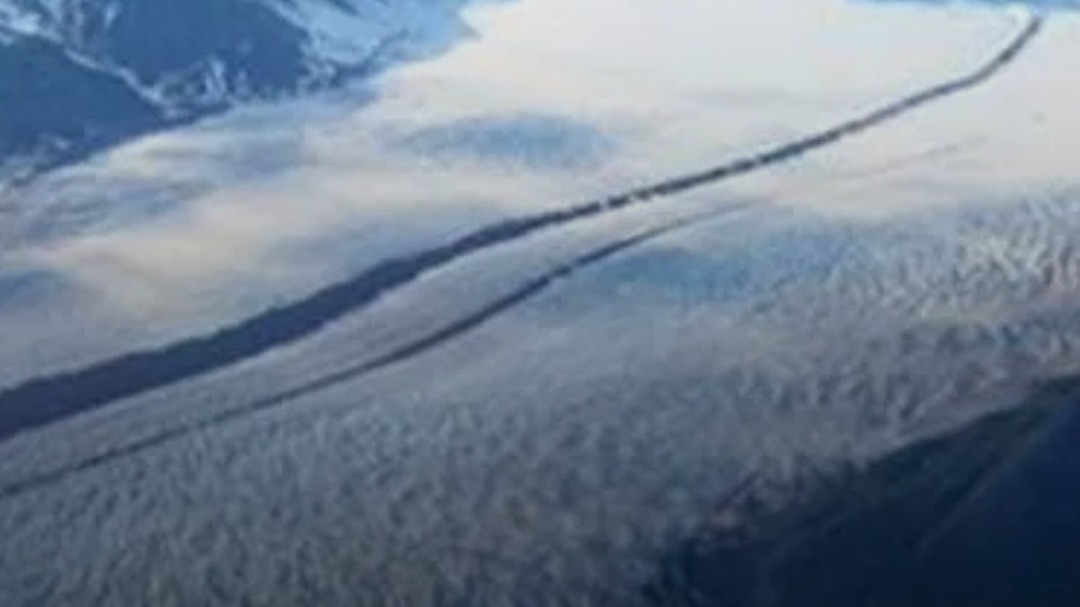
The melting of Himalayan glaciers has evolved into a complex, unpredictable phenomenon. Scientific evidence suggests that every glacier behaves differently, meaning that the lessons learned from one mountain range may not apply to another. This unpredictability is compounded by our systemic failure to establish a reliable early warning mechanism.
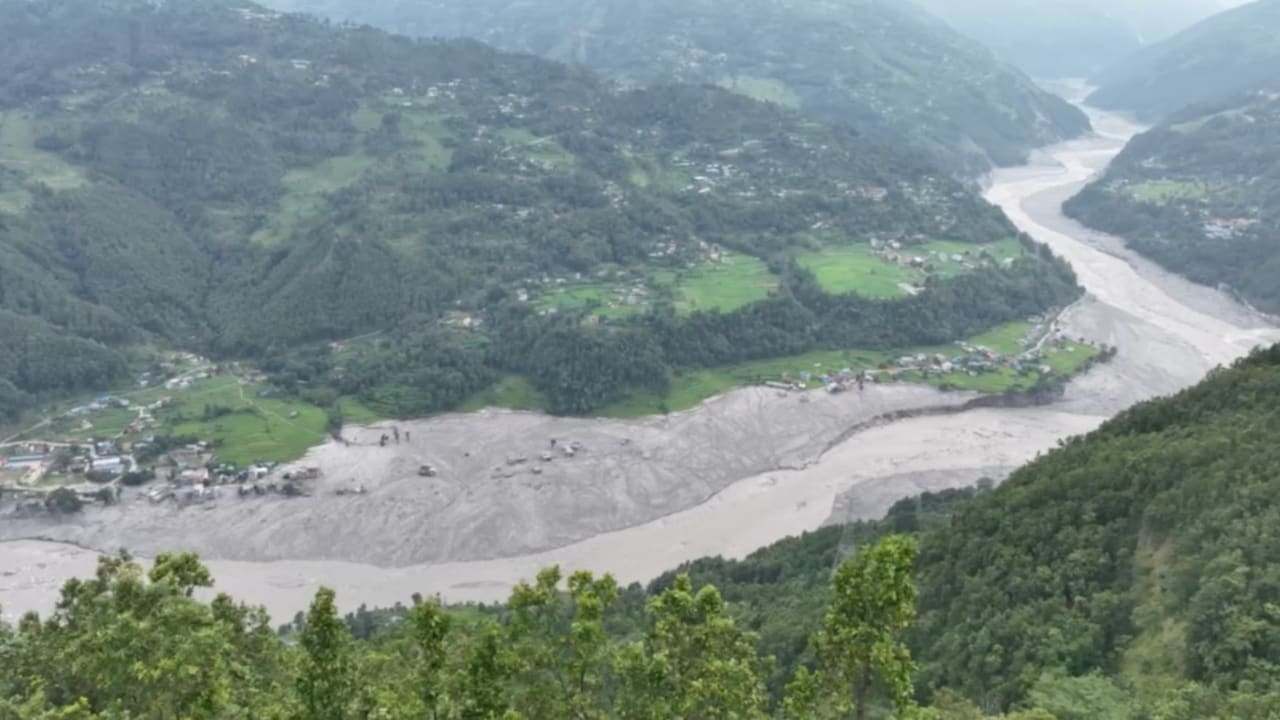
The contrast between recent years is stark. In July 2025, when a massive flood struck this specific corridor, Chinese authorities reportedly provided timely warnings to Nepal, potentially saving countless lives. However, this year, that vital link was broken. No warning reached the affected populations, leaving them vulnerable to a sudden and devastating surge of water.
Why This Matters
BozokMedia analysis shows that the breakdown in communication is not just a technical glitch but a symptom of a larger geopolitical and infrastructural gap. In the high-altitude corridors of the Himalayas, the difference between a manageable event and a mass-casualty disaster lies entirely in the minutes provided by an early warning system.
As glaciers become increasingly erratic due to climate change, our reliance on historical patterns must end; we need real-time, adaptive intelligence.
The lack of preparedness highlights a dangerous trend. As global temperatures rise, the frequency of Glacial Lake Outburst Floods (GLOFs) is expected to increase. Without a unified, international approach to monitoring and data sharing, the human cost will continue to climb.
Historical Background
Historically, glacial floods were rare, catastrophic events. However, the rapid warming of the Tibetan Plateau and the Hindu Kush-Himalayan region has accelerated melting, turning these 'once-in-a-century' events into recurring seasonal threats.
Frequently Asked Questions
Question 1: Why did the warning system fail this year?
Answer: The failure is attributed to a combination of technical communication gaps and a lack of standardized transboundary protocols.
Question 2: How can we improve glacier monitoring?
Answer: Investing in satellite-based real-time monitoring and automated sensor networks in high-altitude lakes is crucial.