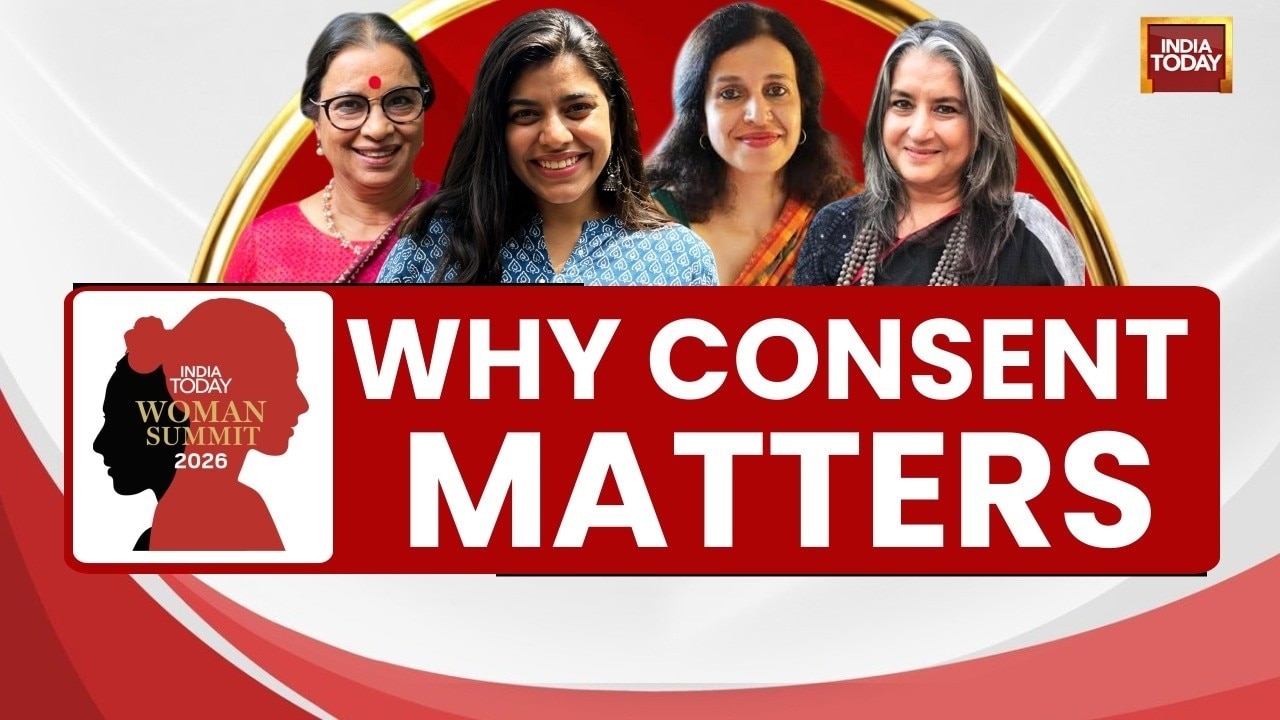
At the India Today Woman Summit, leaders emphasized that menstrual hygiene and education are fundamental human rights essential for gender equality.
- One in four girls misses education due to menstrual stigma.
- Menstrual hygiene and access to facilities are critical human rights issues.
- Community-led initiatives like utensil banks can reduce plastic waste during periods.
During the prestigious India Today Woman Summit, a powerful dialogue emerged regarding the dismantling of deep-seated menstrual taboos in India. Aditi Gupta, co-founder of Menstrupedia, and Neeru Yadav, Sarpanch of Lambi Ahir Gram Panchayat in Rajasthan, took center stage to advocate for systemic change.
Aditi Gupta highlighted the devastating impact of societal shame, noting a staggering statistic: one out of every four girls misses out on her education due to menstrual challenges. She argued that access to menstrual education and safe sanitary facilities should be recognized fundamentally as a human rights issue rather than just a health concern. In a progressive move, she shared that her organization provides a one-day paid period leave to its employees.
Why This Matters
BozokMedia analysis shows that addressing menstrual health is directly linked to the economic empowerment of women. When biological processes are stigmatized, it creates barriers to education and workforce participation, hindering national progress.
Normalizing conversations around period hygiene is the first step toward true gender equality.
Representing grassroots leadership, Neeru Yadav shared her success in Rajasthan. Through her "Healthy diet happy period" campaign, she has worked to improve menstrual wellness at the village level. Furthermore, she has taken a stand against environmental degradation by establishing a utensil bank in her Panchayat to eliminate the use of single-use plastics during menstrual cycles.
The speakers concluded that to truly eliminate the stigma, the conversation must expand beyond women to include men, fostering a community-wide understanding of menstrual health.
Frequently Asked Questions
1. How does menstrual stigma affect education?
Lack of privacy and sanitary products often forces girls to stay home during their periods, leading to frequent absenteeism and dropouts.
2. What is a 'utensil bank' in this context?
It is a community initiative to provide reusable utensils, reducing the reliance on disposable plastic items during menstrual periods.