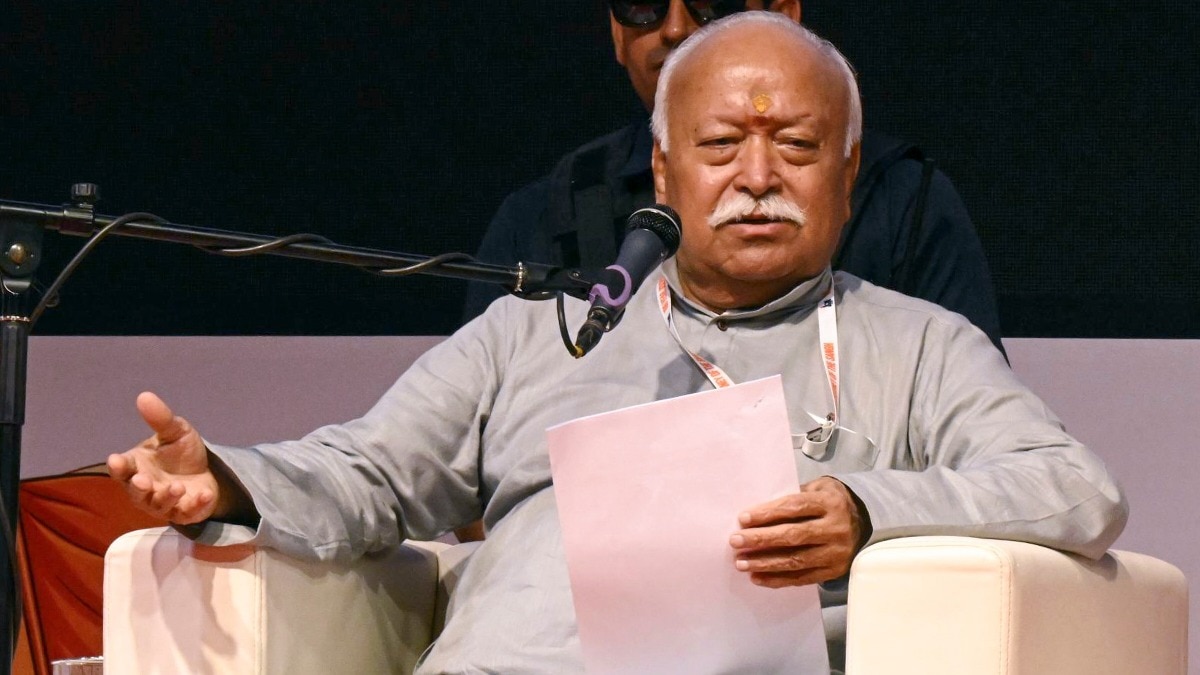
Prime Minister Narendra Modi has advocated for the establishment of fast-track courts to handle paper leak cases, even as India struggles with a massive backlog of nearly 2.5 lakh pending cases.
Key Takeaways
- PM Modi seeks specialized courts to ensure swift justice for paper leak victims.
- India's judiciary is currently grappling with a massive backlog of nearly 250,000 cases.
- While fast-track courts exist, their effectiveness is often hindered by systemic delays.
Prime Minister Narendra Modi has emphasized the urgent need for fast-track courts to address the rising menace of paper leaks in India. The Prime Minister's stance aims to provide immediate justice to students whose careers are jeopardized by examination malpractice and corruption.
The Judicial Hurdle: Mounting Backlogs
Despite the Prime Minister's push for speed, the Indian legal system faces a daunting reality. With nearly 2.5 lakh cases currently pending across various judicial tiers, the creation of new specialized courts faces the risk of being swallowed by the existing systemic inertia. The gap between the demand for quick justice and the actual rate of disposal remains wide.
Why This Matters
BozokMedia analysis shows that paper leaks are not merely administrative lapses but are systemic threats to the meritocratic fabric of the nation. Without a rapid judicial response, the deterrent effect of the law is significantly diminished, emboldening perpetrators of exam fraud.
'Speed in the courtroom is as critical as the integrity of the examination itself to maintain public trust.'
Historical Context
Fast-track courts in India were originally conceptualized to expedite cases involving heinous crimes, such as rape and POCSO. While Union Minister Arjun Ram Meghwal noted that 775 Fast Track Special Courts disposed of 66,500 cases in 2025, the unique complexity of paper leak investigations requires a more specialized approach to forensics and digital evidence.
Frequently Asked Questions
1. What is the primary goal of fast-track courts? Their goal is to resolve specific types of cases, such as heinous crimes or high-priority matters, much faster than regular courts.
2. Why are paper leaks such a major issue? They undermine the fairness of competitive exams, causing immense psychological and financial distress to millions of students.