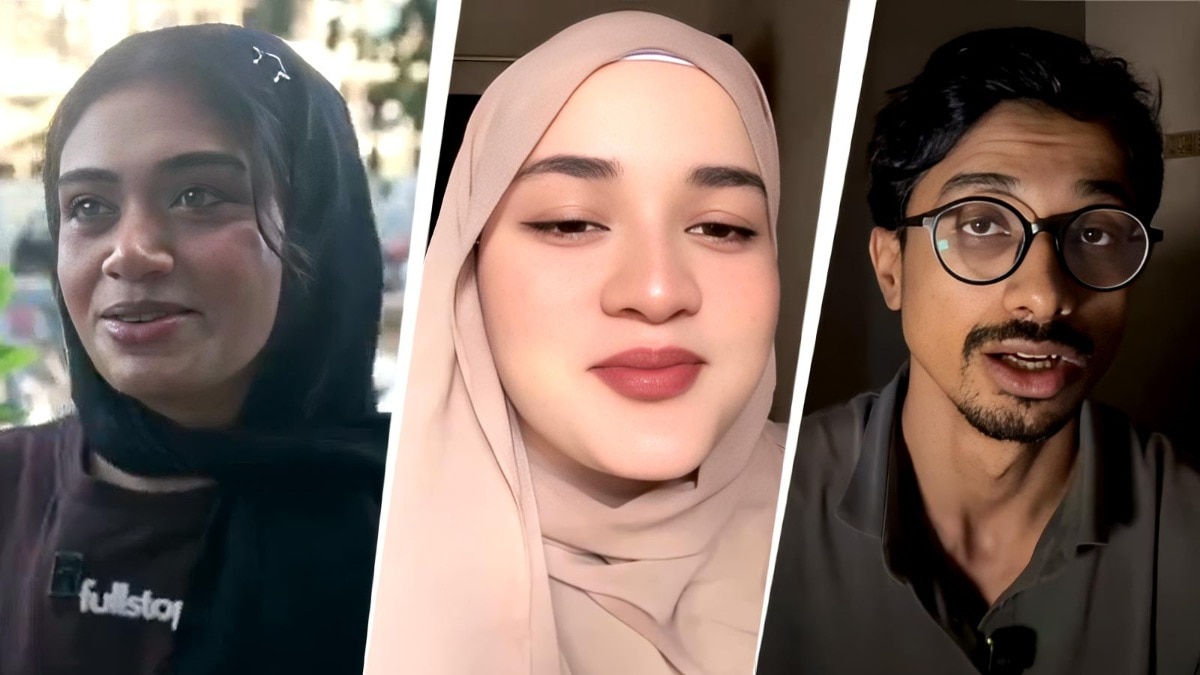
India's Generation Z is making waves across borders, earning admiration from neighboring countries like Pakistan and Nepal for their digital prowess and cultural impact.
Key Takeaways
- India's Gen Z is gaining significant cultural and digital influence globally.
- Neighboring nations, specifically Pakistan and Nepal, are observing and praising Indian youth trends.
- Digital platforms have acted as a catalyst for this cross-border cultural exchange.
In an era defined by rapid digital transformation, India's Generation Z (Gen Z) is emerging as a formidable force that transcends national boundaries. Recent observations suggest that the lifestyle, digital savvy, and cultural trends set by Indian youth are garnering immense respect and attention in neighboring countries like Pakistan and Nepal.
A Shift in Cultural Dynamics
The influence of Indian Gen Z is not merely confined to consumerism; it is about setting the tone for digital discourse. From viral social media challenges to lifestyle trends, the Indian youth are effectively exporting a 'new India' identity that resonates deeply with the youth in surrounding regions.
Why This Matters
BozokMedia analysis shows that this trend signifies a massive surge in India's Soft Power. When neighboring populations look toward a nation's youth for inspiration and trendsetting, it indicates a shift in the regional socio-cultural hierarchy, driven by digital connectivity rather than traditional media.
The digital connectivity of Indian Gen Z has turned the country into a global trendsetter, redefining regional soft power.
Historically, cultural exchange in South Asia has been driven by cinema and music. However, the current wave is driven by individual creators and peer-to-peer digital influence, making it more organic and widespread than ever before.
Frequently Asked Questions
Question 1: What defines Generation Z in the Indian context?
Answer: In India, Gen Z refers to the digitally native generation born between the late 1990s and early 2010s, characterized by high tech-literacy.
Question 2: How is social media impacting regional relations?
Answer: Social media allows for direct cultural exchange, often bypassing traditional political barriers and fostering a shared youth culture.