Led by 18-year-old Samrutha SB, a group of eleven Gen Z artists utilized the 'The Closest Possible World' exhibition in Thiruvanmiyur to challenge systemic injustices and ignite social conversation.
Key Takeaways
- Curated by 18-year-old Samrutha SB, the exhibition featured 11 aspiring artists.
- Themes included social justice, caste, class, and gender through magic realism.
- The event aimed to democratize art by bringing it to public spaces like Mada Square.
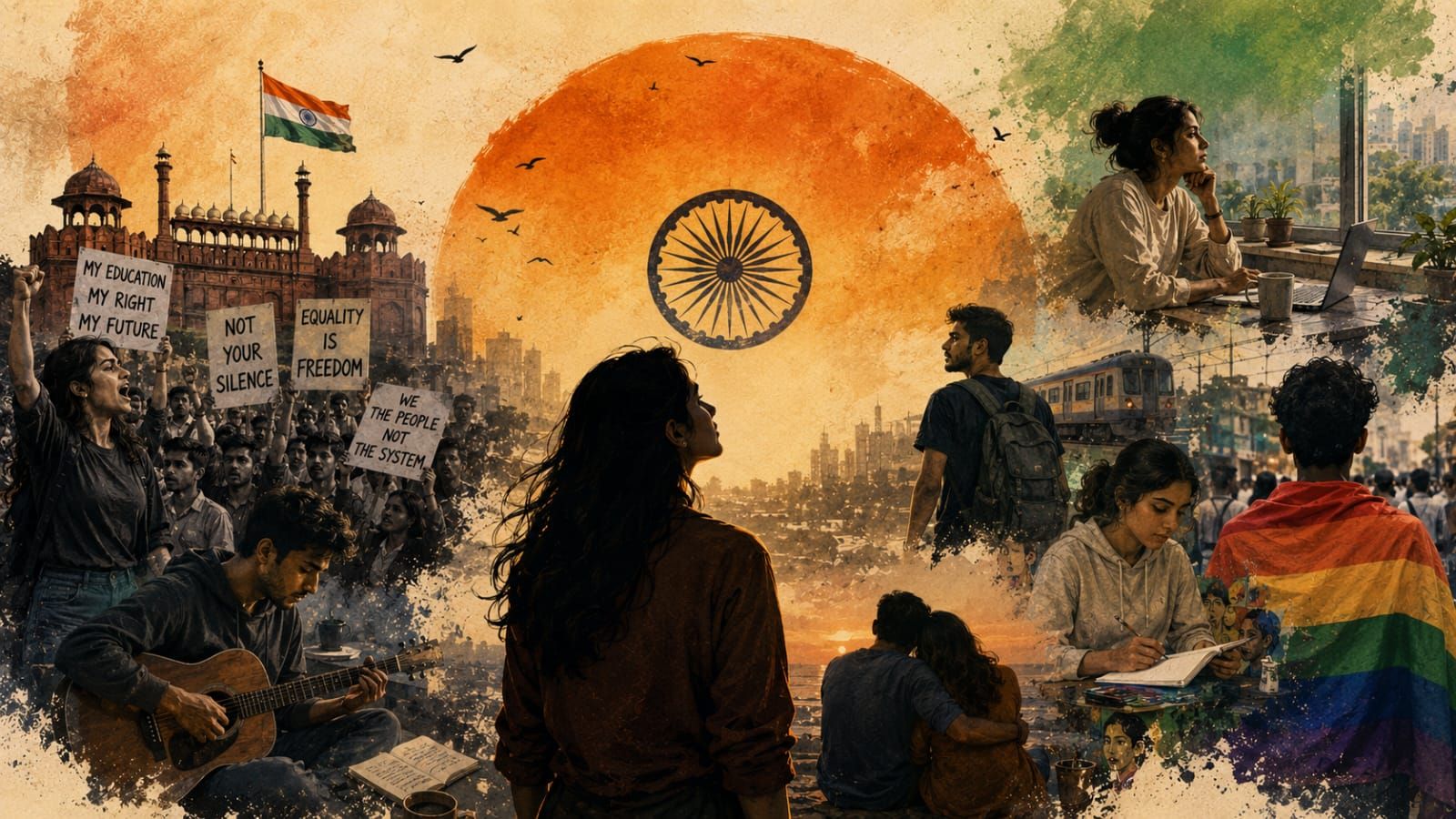
While political headlines were dominated by protests in New Delhi, a quiet yet profound cultural movement was unfolding in Thiruvanmiyur, Chennai. On July 25 and 26, a collective of Gen Z artists transformed the public space of Mada Square into a canvas for social critique under the exhibition title, 'The Closest Possible World.'
The exhibition was conceptualized by Samrutha SB, a Social Science student at Azim Premji University. Driven by her firsthand experience of campus vandalism and institutional apathy, Samrutha sought to create a democratic space for dialogue. For her, art serves as a vital companion in resisting systemic fractures and mobilizing collective consciousness.
Why This Matters
BozokMedia analysis shows that this movement signifies a shift in how the younger generation engages with political activism. By moving art from private galleries to busy streets, these artists are breaking down the barriers of elitism. They are reclaiming public spaces to discuss uncomfortable truths about caste, class, and gender, ensuring that art remains a tool for the community rather than just a commodity for the elite.
Art should be a seed for conversation that goes beyond passive viewership.
The exhibition blended magic realism with themes of political resistance. Facilitated by experts in narrative art therapy and social collectives, the artists engaged in deep reflections on their own social locations, questioning the very fabric of the systems they inhabit.
Historical Background
Public art has long been a cornerstone of social movements globally. From the murals of the Mexican Revolution to modern-day street art in urban centers, using the 'street' as a platform has historically allowed marginalized voices to bypass traditional gatekeepers and speak directly to the populace.
Frequently Asked Questions
1. What was the inspiration behind the exhibition?
The curator, Samrutha SB, was inspired by the need to respond to institutional injustice and the lack of student solidarity she witnessed on her university campus.
2. What themes were explored in the artworks?
The artists explored themes of social justice, caste, gender, class, and the intersection of the personal and the political.