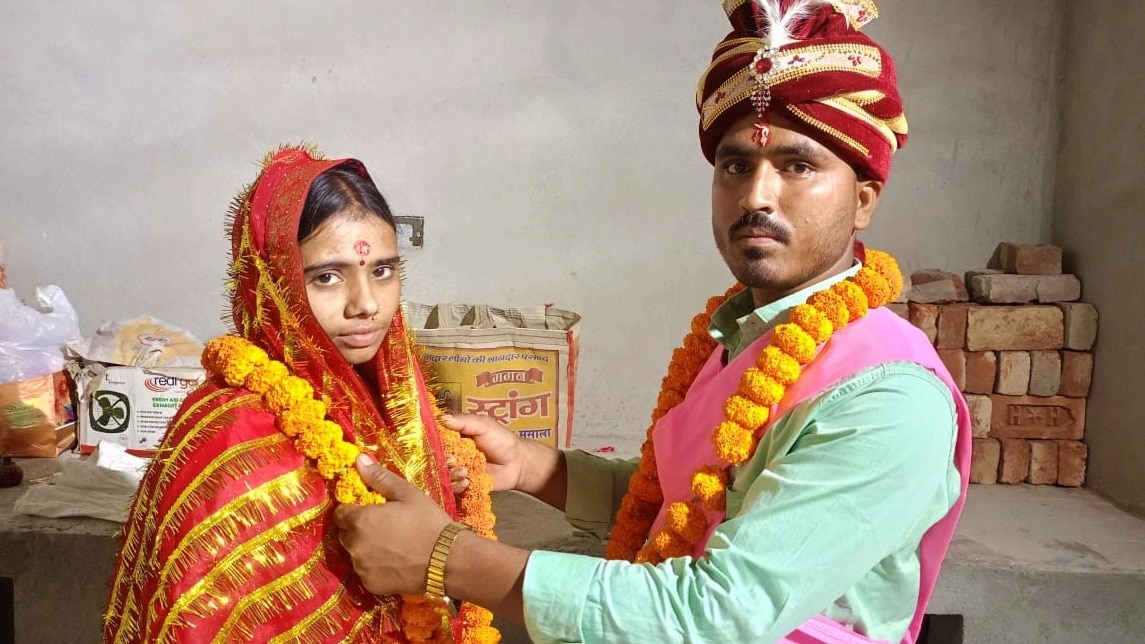
In the drought-stricken heart of Maharashtra, a growing number of farm widows are turning down remarriage to protect their financial independence and personal dignity.
Key Takeaways
- Agricultural distress in Vidarbha has led to a high rate of farmer suicides.
- Widowed women are increasingly prioritizing personal autonomy over social reintegration.
- Economic instability makes it difficult for unmarried farmers to find partners.
- Legal battles over land rights remain a significant hurdle for widowed women.
In the drought-prone landscapes of Vidarbha, Maharashtra, a profound social shift is unfolding. Amidst the devastating cycle of farmer suicides and agrarian distress, many widows are making a radical choice: refusing to remarry. While social taboos are gradually fading, these women are choosing a different path—one defined by financial independence and the preservation of their hard-won autonomy.
Neelima Renge’s story is emblematic of this struggle. Widowed at 26 after her husband succumbed to debt-induced suicide, she faced the immense pressure of raising a child alone. Despite repeated marriage proposals intended to provide 'security,' Neelima viewed remarriage as a potential trap that could compromise her agency. Instead, she turned to tailoring and fought a grueling battle with her in-laws to secure her rightful share of the family land.
Why This Matters
BozokMedia analysis shows that this phenomenon is deeply intertwined with the rural economy. As agrarian uncertainty grows, unmarried male farmers are increasingly seeking widows as partners to ensure economic stability. However, the refusal of many women to enter these arrangements highlights a growing demand for equality and respect in rural domestic structures, rather than mere survival-based unions.
For these women, the struggle is no longer just about surviving the drought, but about surviving the social expectations that follow tragedy.
The scale of the crisis is staggering. According to the Vidarbha Jan Andolan Samiti, western Vidarbha recorded 30,969 farmer suicides between 2001 and 2024. This systemic failure has left a vacuum in rural family structures, creating a complex social crisis that reached political visibility during the 2024 Lok Sabha elections.
Comparison: Shifting Social Dynamics
| Aspect | Traditional Expectation | Emerging Reality in Vidarbha |
|---|---|---|
| Primary Goal of Remarriage | Financial Security/Social Acceptance | Personal Autonomy/Independence |
| Driver of Proposals | Social Custom | Agrarian Economic Necessity |
| Women's Stance | Compliance for survival | Resistance for dignity |
Frequently Asked Questions
1. Why are farmers in Vidarbha struggling to find partners?
Unstable incomes and the high-risk nature of farming make it difficult for young, unmarried men to establish the financial stability required for marriage.
2. What role does land play in the lives of these widows?
Land is the primary source of livelihood. Many widows must fight legal and familial battles to retain control over their deceased husbands' plots.