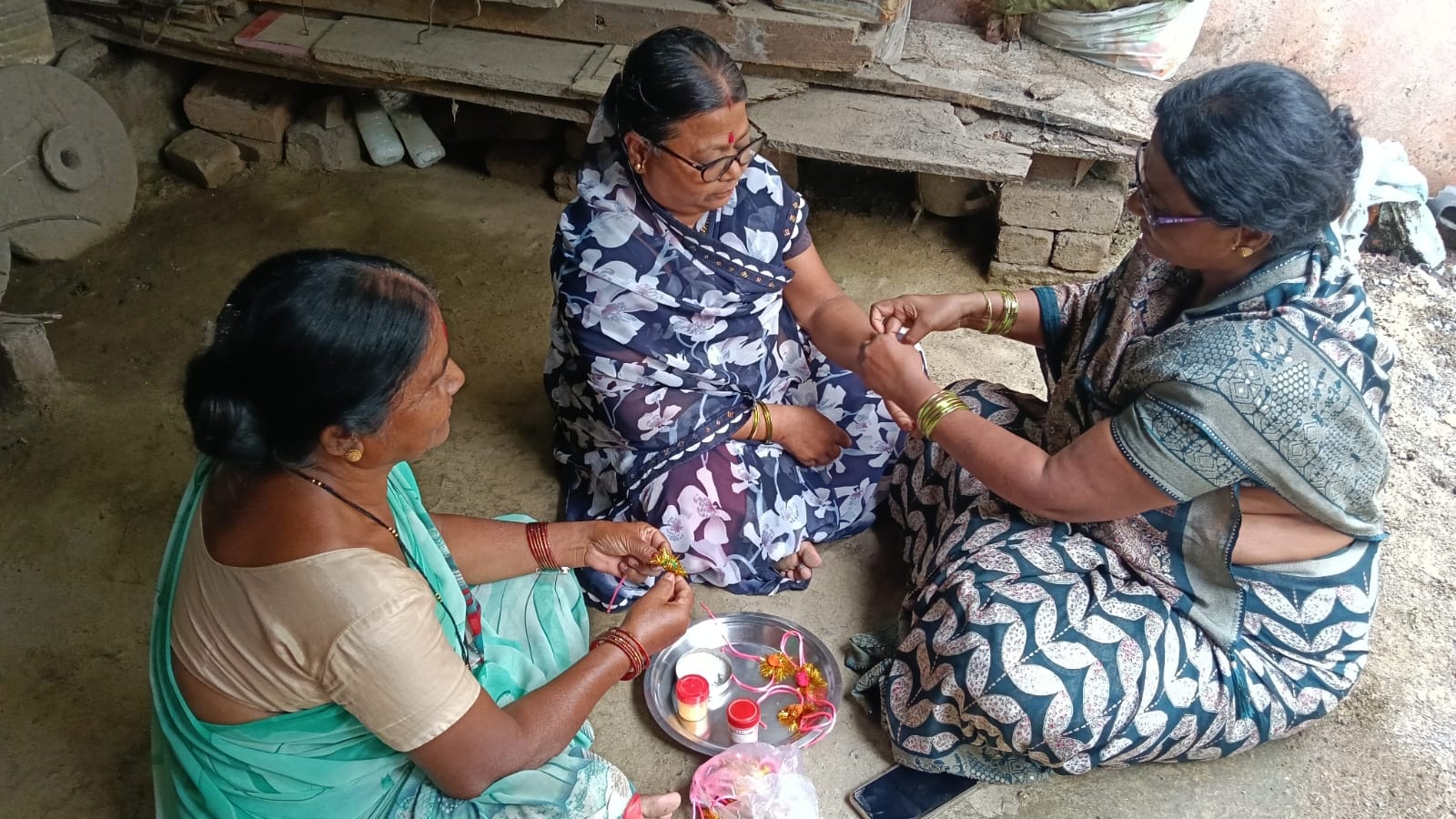
An in-depth exploration of the lives of mountain women, their socio-economic struggles, and the transformative impact of organizations like Mahila Utthan Mandal.
- Mountain women serve as the backbone of the Himalayan socio-economic structure.
- Organizations like Mahila Utthan Mandal are crucial for grassroots empowerment.
- Climate change and geographic isolation pose significant threats to their livelihoods.
In the high-altitude, rugged terrains of the Himalayas, life is a constant battle against geography. The women of these mountains are not just caregivers; they are the primary drivers of agriculture, livestock management, and local trade. Through initiatives like Mahila Utthan Mandal, these women are finding a collective voice to challenge systemic inequities.
The daily routine of a mountain woman is characterized by extreme physical labor. From fetching water across steep gradients to managing terraced farms, their contribution to the subsistence economy is monumental yet often undervalued in mainstream statistics.
Why This Matters
BozokMedia analysis shows that empowering mountain women is not just a social necessity but an environmental imperative. As they manage local resources, their knowledge of biodiversity is critical for the survival of the Himalayan ecosystem.
The resilience of mountain women is a testament to human endurance, blending traditional wisdom with an unbreakable spirit.
Historically, mountain communities have relied on gender-based division of labor that places heavy physical burdens on women. However, as migration increases due to lack of opportunities, the burden on those staying behind—mostly women—has intensified significantly.
Frequently Asked Questions
Question 1: How does Mahila Utthan Mandal help women?
Answer: It provides a platform for collective action, skill development, and socio-economic advocacy.
Question 2: What is the biggest threat to their livelihood?
Answer: Unpredictable weather patterns caused by climate change are disrupting traditional farming cycles.