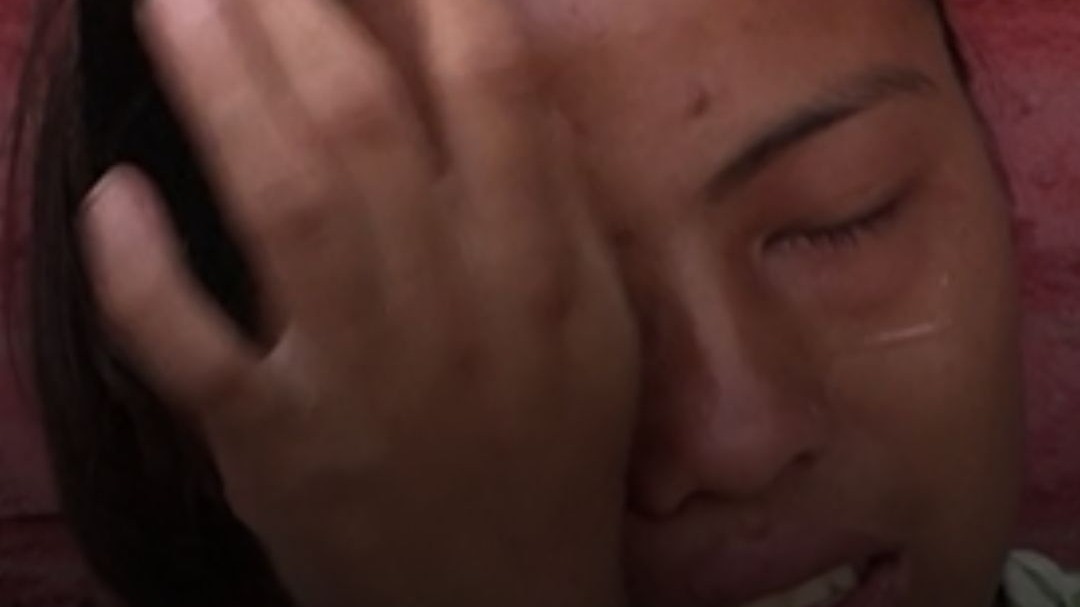
Displaced women in Nepal are facing an unprecedented struggle as even the most basic human necessities remain inaccessible due to ongoing crises. The humanitarian gap is widening rapidly.
- Displaced women in Nepal are facing a severe lack of basic human rights and resources.
- Access to clean water, sanitation, and safe shelter is critically low.
- The gendered impact of displacement is creating a secondary health and safety crisis.
In the wake of ongoing displacement across various regions of Nepal, a profound humanitarian crisis is unfolding, disproportionately affecting women. Once settled in their homes, these women are now forced into makeshift shelters and precarious living conditions where the most fundamental aspects of survival are becoming luxuries.
The struggle for displaced women goes beyond mere shelter; it is a fight for dignity. Access to clean water, menstrual hygiene management, and adequate sanitation facilities is almost non-existent in many temporary camps. This lack of infrastructure places women at an extreme risk of infectious diseases and compromises their personal safety and health.
Why This Matters
BozokMedia analysis shows that displacement is never gender-neutral. Women face unique vulnerabilities, including increased risks of gender-based violence and specific reproductive health challenges, which are often overlooked in rapid-response humanitarian efforts.
Displacement is not just the loss of a physical structure; for women, it is the systemic erosion of safety, autonomy, and fundamental human rights.
Historically, Nepal has battled various environmental and social upheavals, but the current scale of displacement has strained the nation's social fabric to its breaking point. The economic disenfranchisement of these women means they have lost their livelihoods, leaving them entirely dependent on inconsistent aid supplies.
International observers and local activists argue that the response must evolve from simple food distribution to a more holistic approach that includes gender-sensitive infrastructure. Without targeted intervention, the current crisis threatens to become a generational setback for women's welfare in the region.
Frequently Asked Questions
Question 1: What are the primary drivers of displacement in Nepal?
Answer: Displacement is driven by a combination of climate change, natural disasters, and socio-economic instability.
Question 2: Why are women more vulnerable during displacement?
Answer: Women face heightened risks due to lack of sanitation, increased vulnerability to violence, and specific healthcare needs.