A breakthrough in biotechnology sees an AI-designed enzyme successfully editing rice DNA, heralding a potential revolution in India's agricultural sector. This innovation promises higher yields and climate resilience, raising crucial questions about the future of traditional farming methods.
Key Takeaways
- AI-designed enzymes successfully edit rice DNA with high precision.
- Potential to revolutionize Indian farming with higher yields and resilience.
- Technology offers precision breeding without introducing foreign DNA.
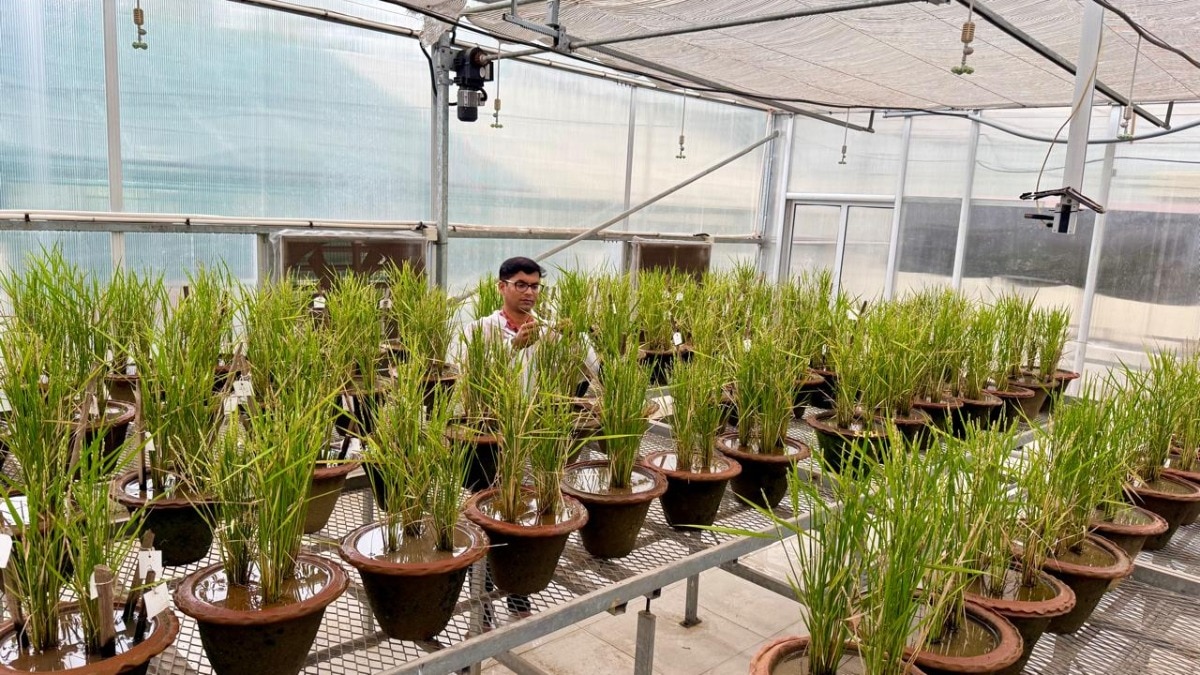
In a groundbreaking development for agricultural biotechnology, scientists have utilized an artificial intelligence-designed enzyme to edit the DNA of rice, marking a significant leap forward in crop science. This achievement could redefine the future of farming in India, a country where rice is not just a staple food but a cornerstone of the economy. By leveraging machine learning to create biological tools, researchers are opening doors to crops that can withstand the pressing challenges of climate change and a growing population.
The Science Behind the Breakthrough
Unlike traditional genetic modification (GMO), which often involves introducing foreign genes from other species, this new method employs AI-designed gene-editing tools. These enzymes act as molecular scissors, capable of making precise cuts in the rice genome to activate desirable traits or suppress undesirable ones. This level of precision allows for the development of rice varieties that are drought-resistant, pest-proof, or nutritionally enhanced, all without the regulatory baggage often associated with transgenic crops.
Why This Matters
BozokMedia analysis shows that India's agricultural sector is at a critical juncture. With unpredictable monsoons and shrinking arable land, the need for sustainable intensification is urgent. AI-driven gene editing offers a solution that is not only faster than traditional breeding but also more targeted. It allows for the rapid development of varieties tailored specifically to regional soil and climate conditions, ensuring food security for millions.
"This is not just about better yields; it's about climate resilience. AI allows us to design crops for a future we haven't seen yet, ensuring that agriculture remains viable amidst environmental chaos."
Traditional vs. AI Editing
| Feature | Traditional Breeding | AI Gene Editing |
|---|---|---|
| Timeframe | Years or Decades | Months |
| Precision | Low (Trial and Error) | Extremely High |
| Foreign DNA | Possible | None |
| Cost | Higher (Long-term) | Lower initial R&D costs |
Frequently Asked Questions
Q: Is AI-edited rice safe to eat?
A: Yes, experts argue that because no foreign DNA is introduced, it is as safe as crops developed through conventional hybridization methods.
Q: When will this technology reach Indian farmers?
A: While the science is ready, widespread adoption depends on regulatory approval, which could see this technology in fields within the next 5 to 7 years.