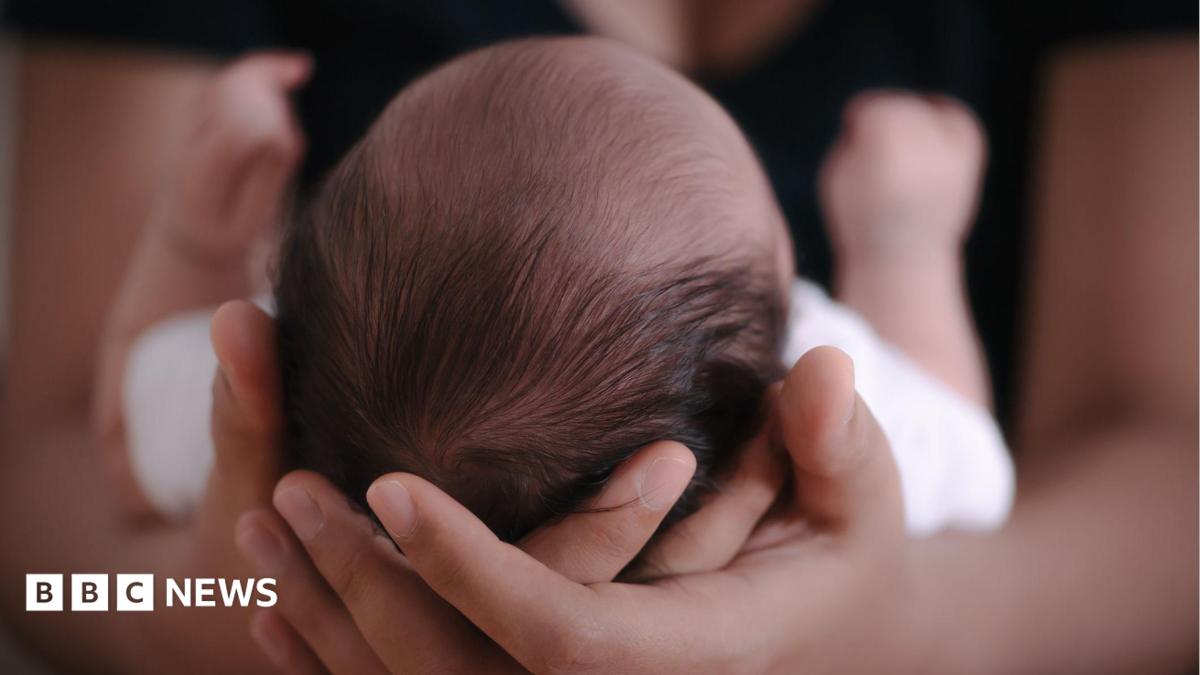
An Indonesian court convicted 19 traffickers, yet the fate of at least 12 babies already in Singapore remains uncertain. Both governments face mounting pressure to decide the children’s best interests.
Key Takeaways
- Indonesia sentenced 19 people for trafficking at least 34 infants
- Minimum 12 babies were sent to Singapore
- Both nations are still debating the children’s legal status
Case Overview
A West Java court on Tuesday found 19 members of a trafficking ring guilty of procuring at least 34 infants and selling them for overseas adoption. Of those, at least 12 have already arrived in Singapore, where adoptive families are left in limbo.
Historical Background
Data on what happens to rescued trafficked children within Indonesia is scarce, and the outcomes for those trafficked abroad are even less documented. While Indonesia’s anti‑trafficking statutes are stringent, enforcement gaps and cross‑border coordination often fall short.
Why This Matters
BozokMedia analysis shows that the case sits at the intersection of legal, social, and psychological complexities. Revoking Singapore adoptions and returning the children to Indonesia would plunge both governments into uncharted legal territory, testing their commitments to human‑rights standards.
“Current cross‑border adoption frameworks frequently fail to prevent trafficking; stricter safeguards are essential.” – Dr. Rita Karn, Child‑Rights Scholar
Current Status
Singaporean adoptive parents, such as David and Ally, are still awaiting a definitive ruling. David told the BBC that both governments must act swiftly in the children’s best interests. Indonesia’s foreign ministry reiterated the need to examine the children’s legal status, biological parent identities, and ongoing Singapore proceedings.
Frequently Asked Questions
Question 1: Can Singapore revoke an adoption order?
Answer: Legal experts say Singapore treats adoption orders as final, but fraud‑based cases could lead to revocation.
Question 2: What safeguards exist if the babies are returned to Indonesia?
Answer: Indonesia’s child‑protection laws mandate rehabilitation programs, yet implementation challenges often impede effective reintegration.