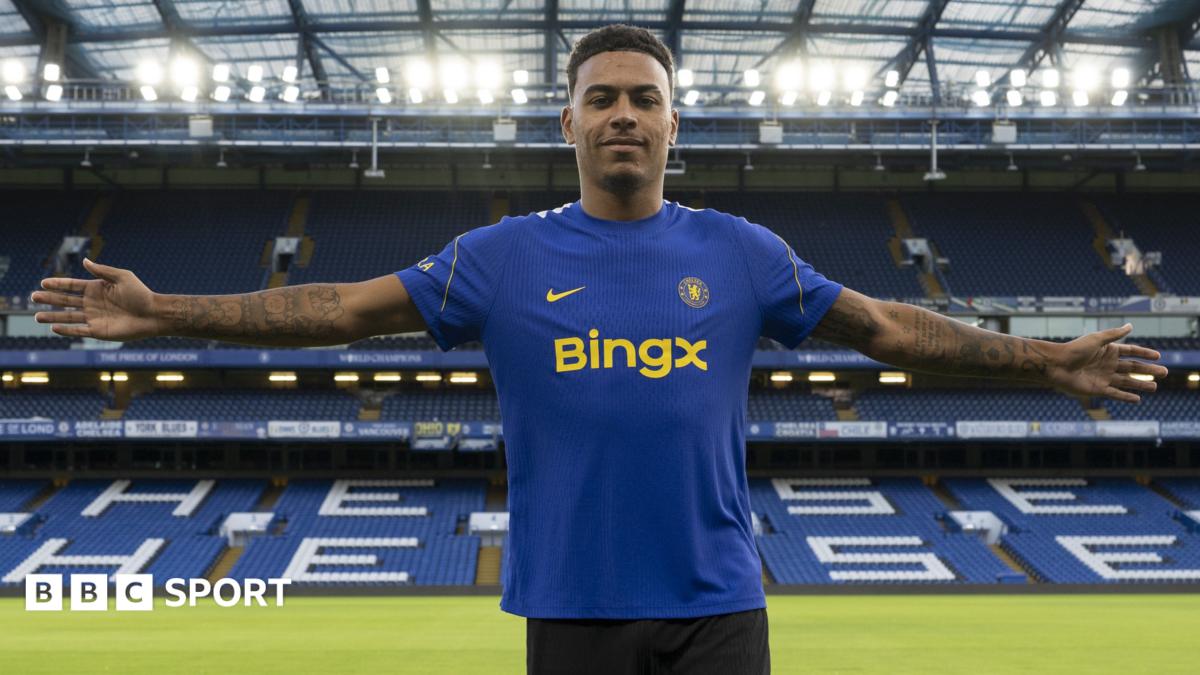
Chelsea manager Xabi Alonso says the club’s £117 million record signing Morgan Rogers will be deployed alongside England star Cole Palmer. Alonso believes Rogers can make an instant impact without a long adaptation period.
Key Takeaways
- Morgan Rogers signed for a club‑record £117 million
- Alonso has a clear plan to field Rogers with Cole Palmer
- Rogers expected to adapt quickly despite missing pre‑season training
Rogers’ High‑Profile Arrival
Chelsea have completed the £117 million transfer of 24‑year‑old England midfielder Morgan Rogers from Aston Villa, making him the most expensive British player ever. The six‑year contract (with an optional seventh year) marks a new financial benchmark for the club.
Alonso’s Tactical Blueprint
Speaking at the Sydney pre‑season camp, Xabi Alonso said, “In that position we needed an important player and I’m sure there were not many better options than Morgan Rogers.” He added that Rogers should require little time to adapt to Chelsea’s system and his teammates.
Historical Background
While Chelsea have splashed cash on stars like Robert Lampard and Eden Hazard, Rogers now holds the British record. Previously, the club’s biggest British fee was £100 million for Harry Kane, highlighting a new era of spending.
Why This Matters
BozokMedia analysis shows that pairing Rogers with Palmer could dramatically improve Chelsea’s midfield creativity and dynamism, giving the team a stronger balance both in and out of possession.
"Rogers’ versatility makes him a perfect fit for Alonso’s fluid midfield," said former England midfielder James Milner.
Frequently Asked Questions
When will Rogers make his Chelsea debut?
Alonso hinted that Rogers could be ready for the first competitive match of the season, but an official date has yet to be announced.
Will Rogers and Palmer click on the pitch?
Both players describe each other as “best friends in football,” suggesting a natural chemistry that could translate into on‑field success.