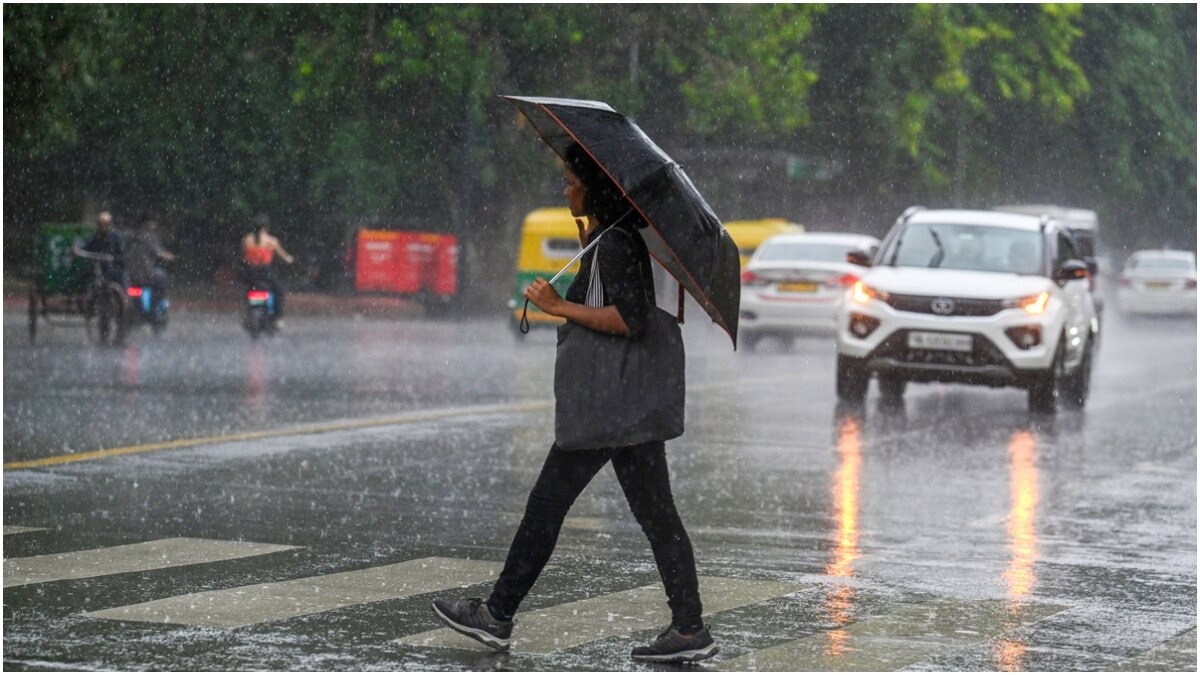
The Indian Meteorological Department (IMD) warns that the monsoon will be fully active across Uttar Pradesh on July 28. Seven districts – Sonbhadra, Saharanpur, Muzaffarnagar, Bijnor, Moradabad, Rampur and Bareilly – are under a heavy‑to‑very‑heavy rain alert, with thunderstorms also forecasted in many areas.
Key Takeaways
- Heavy to very heavy rain warned for Sonbhadra, Saharanpur, Muzaffarnagar, Bijnor, Moradabad, Rampur and Bareilly
- Thunderstorms expected across most of western and eastern UP
- Potential disruptions to transport, agriculture and urban services
IMD’s Detailed Forecast
The IMD predicts widespread rain with thunder and lightning across both western and eastern Uttar Pradesh on July 28. While the seven districts listed above face the highest risk of heavy to very heavy precipitation, many other districts are expected to receive moderate showers.
Historical Background
Uttar Pradesh’s monsoon history is marked by severe flooding events, notably in 2019 when dozens of districts experienced unprecedented water levels, displacing thousands. These past incidents underscore the critical need for robust flood‑management strategies.
Additional Affected Areas
Beyond the core seven, IMD has flagged districts such as Banda, Chitrakoot, Kaushambi, Prayagraj, Mirzapur, Chandoli, Lucknow, Meerut, and many more for moderate to heavy rainfall, increasing the overall vulnerability of the state.
Why This Matters
BozokMedia analysis shows that intensified monsoon currents from the Bay of Bengal are amplifying precipitation over Uttar Pradesh, raising flood risks for densely populated agrarian zones and stressing urban infrastructure.
"Timely alerts and strict adherence to safety guidelines are the only ways to safeguard lives and property during such extreme weather," said meteorologist Dr. Anjali Verma.
Frequently Asked Questions
Q1: Is there a risk of flooding?
A: Yes, especially in low‑lying areas and near riverbanks where water levels could rise rapidly.
Q2: What precautions should farmers take?
A: Drain excess water from fields, postpone fertilizer use, and monitor crops for disease and pest outbreaks.