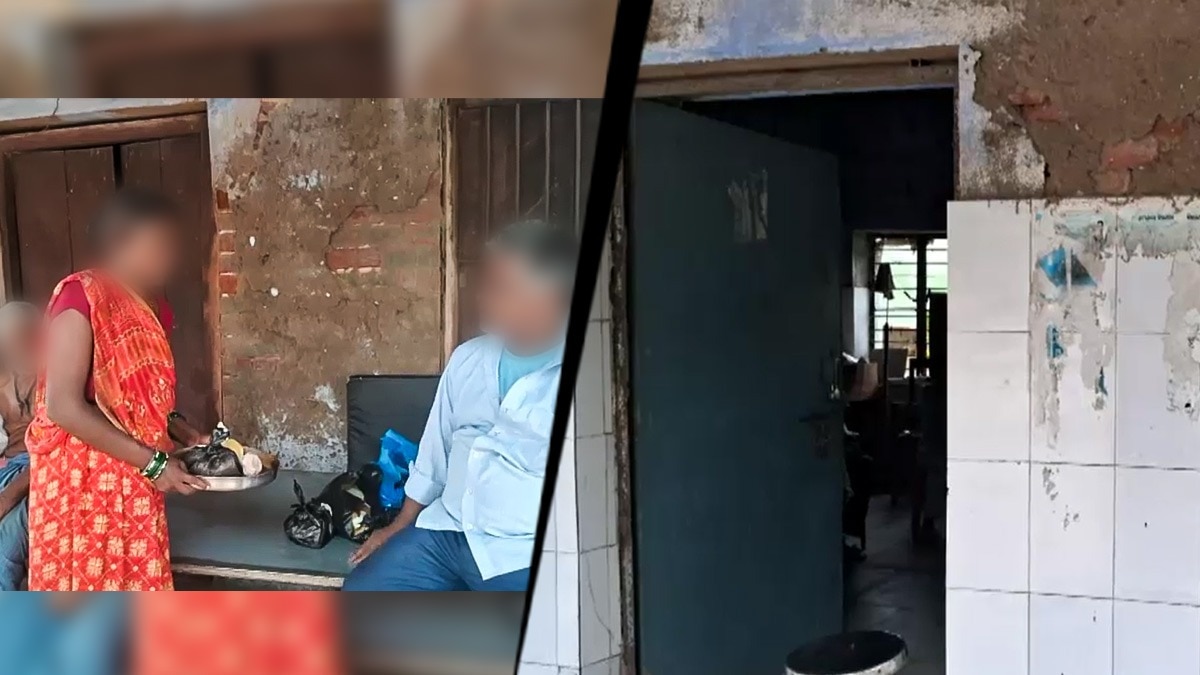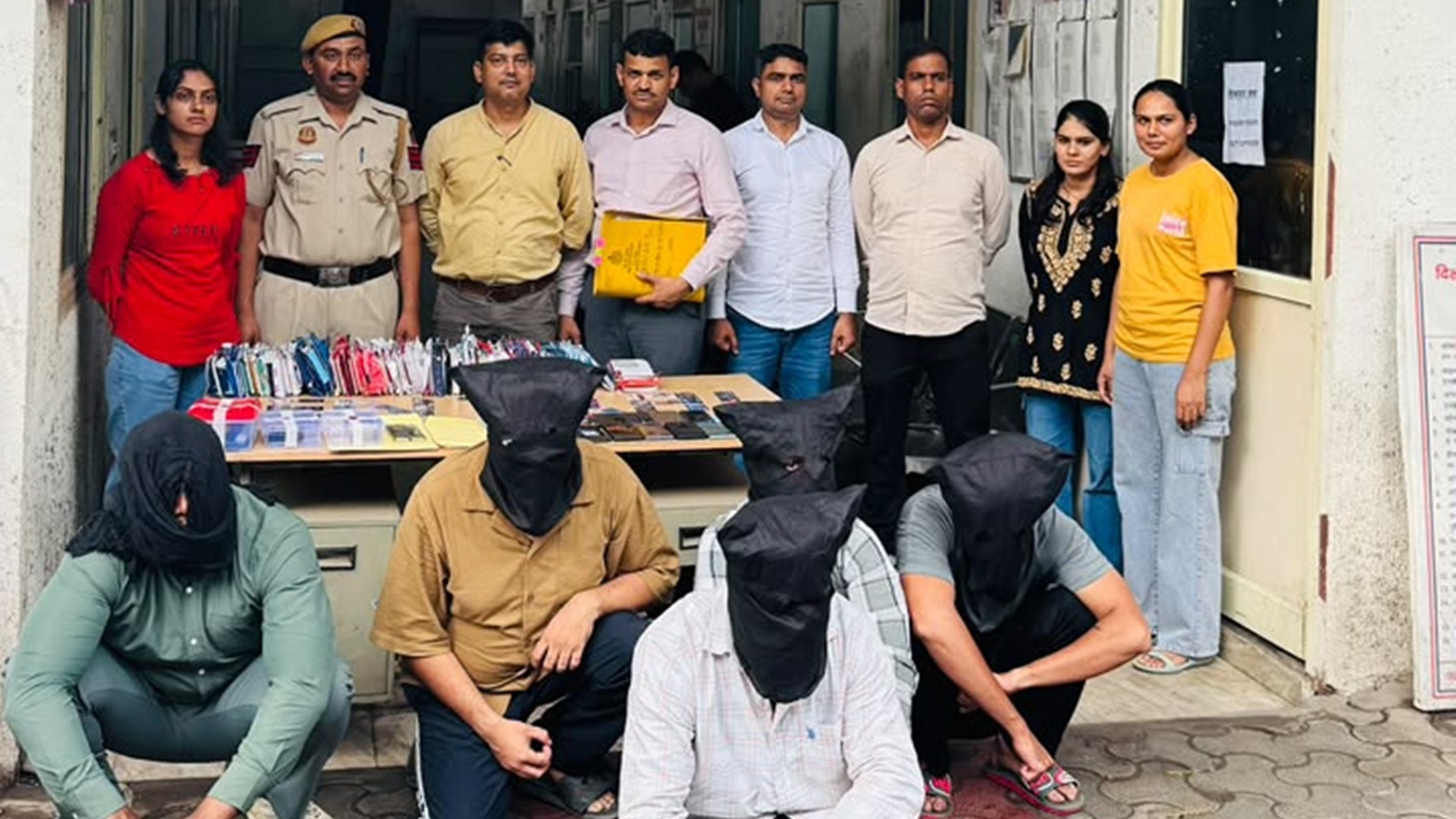
A middle‑aged Delhi resident’s Instagram job scam triggered a police probe that exposed a network selling ready‑made bank accounts to cyber fraudsters. Six suspects, including a bank manager, have been arrested as investigators label the operation a ‘bank account kit factory.’
Key Takeaways
- Instagram scam involving Rs 10,000 led to a large fraud network
- Six arrests made, including a bank manager
- Syndicate operated as a ‘bank account kit factory’ supplying ready‑made accounts
How the Scam Started
A middle‑aged man who repairs stitching machines in Baljeet Nagar, Central Delhi, came across an Instagram post advertising a “freelance job.” After clicking the link, he was redirected to a WhatsApp chat and asked to pay a Rs 10,000 registration fee. He paid the amount in three installments, after which the chat vanished and the promised job never materialised.
Police Investigation and Arrests
The victim lodged a complaint on the National Cyber Crime Reporting Portal (NCRP), prompting the Central district cyber police to take over the case on June 29. Inspector Yograj Dalal’s team traced the money to multiple bank accounts, including one held by a shell company called “Damion Traders.” Further leads identified Mohit Soni, Yogesh Kumar and Ranjit Damion Ekka as key facilitators, and ultimately led to six arrests, among them a bank manager from Suryoday Small Finance Bank.
Inside the ‘Bank Account Kit Factory’
Deputy Commissioner of Police (Central) Rohit Rajbir Singh described the operation as a “complete bank account kit factory.” The syndicate recruited financially vulnerable individuals as mule‑account holders, used their identity documents to create shell companies, and rapidly opened bank accounts with alleged collusion from insiders. These accounts were then sold to fraud operators in India and abroad, moving more than Rs 70 crore through 248 accounts.
Historical Background
India’s banking sector has tightened KYC (Know Your Customer) norms over the past decade, yet several mule‑account scandals have surfaced, revealing that insider facilitation can bypass even the strictest checks. This case adds to a growing list of organized schemes that exploit systemic loopholes to launder cyber‑crime proceeds internationally.
Why This Matters
BozokMedia analysis shows that the exposure of such a sophisticated “account kit” network highlights systemic vulnerabilities in bank compliance and underscores the urgent need for stricter KYC enforcement across Indian financial institutions.
“When bank staff become complicit, the entire financial ecosystem is jeopardized,” notes cyber‑security expert Dr. Ravi Shankar.
Frequently Asked Questions
Q1: Can ordinary citizens become unwitting mule‑account holders?
A: Yes, if individuals allow their personal documents to be used for opening accounts, they can be implicated in legal proceedings.
Q2: What steps can people take to avoid falling for such scams?
A: Never share personal or financial details in response to unsolicited offers, verify job listings through official channels, and report suspicious activity immediately to authorities.