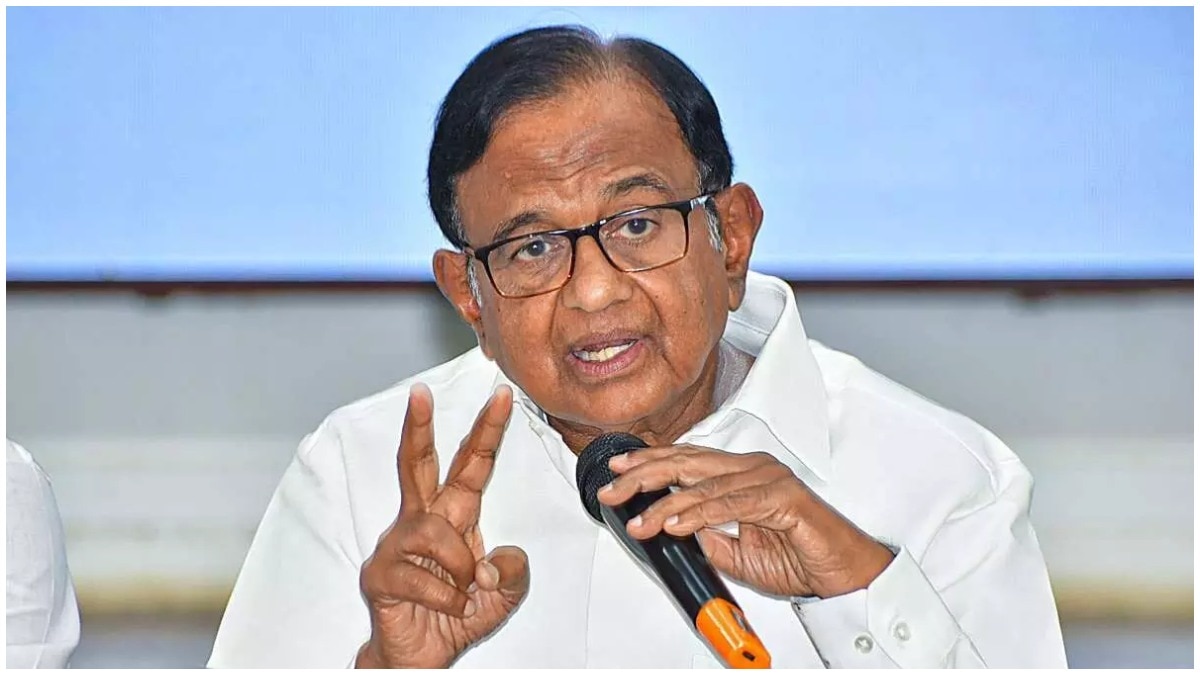
Former Union Minister P. Chidambaram labeled the "One Nation, One Election" proposal as monstrous, unconstitutional, and mind‑less before a joint parliamentary committee. He warned that curtailing the five‑year term of legislatures violates the Constitution’s basic structure.
- Chidambaram calls the proposal "monstrous" and "unconstitutional"
- The bills aim to synchronize Lok Sabha and state assembly polls
- Simultaneous elections were discontinued in the late 1960s
Former Home and Finance Minister P. Chidambaram vehemently opposed the "One Nation, One Election" initiative before a joint parliamentary committee, describing it as "monstrous" and "unconstitutional." He argued that cutting short a legislature’s five‑year term directly breaches the Constitution’s basic structure.
Chidambaram added that his conscience would not allow him to support the bills, especially since the government lacks the two‑thirds majority required for constitutional amendment.
Trinamool Congress member Sagarika Ghosh also opposed the legislation, warning that it would grant "unbridled" powers to the Election Commission. About ten Padma awardees, including Tarlochan Singh, Navin Khanna, Meenakshi Jain and Niru Kumar, appeared separately before the panel, offering mixed views.
The bills—Constitution (129th Amendment) Bill, 2024 and Union Territories Laws (Amendment) Bill, 2024—seek to synchronize Lok Sabha and state assembly elections. The recommendation originated from a high‑level panel chaired by former President Ram Nath Kovind, with Home Minister Amit Shah as a member.
Historically, India held simultaneous Lok Sabha and state assembly elections from 1951 to 1967. The pattern broke in 1968‑69 when several state assemblies were dissolved prematurely, and it has never fully returned since.
Why This Matters
BozokMedia analysis shows that while a unified election calendar could slash administrative costs, it also risks diluting regional representation and over‑centralizing electoral authority, fundamentally reshaping India’s federal balance.
"Altering the Constitution’s basic structure without a two‑thirds majority endangers democratic safeguards," noted a constitutional scholar.
Frequently Asked Questions
Will "One Nation, One Election" reduce election expenses?
Proponents argue that synchronized polls cut logistics costs, but the need to align diverse state election cycles could introduce new expenditures.
Does this proposal require a constitutional amendment?
Yes, shortening the five‑year term of legislatures would necessitate amending the Constitution’s basic structure.