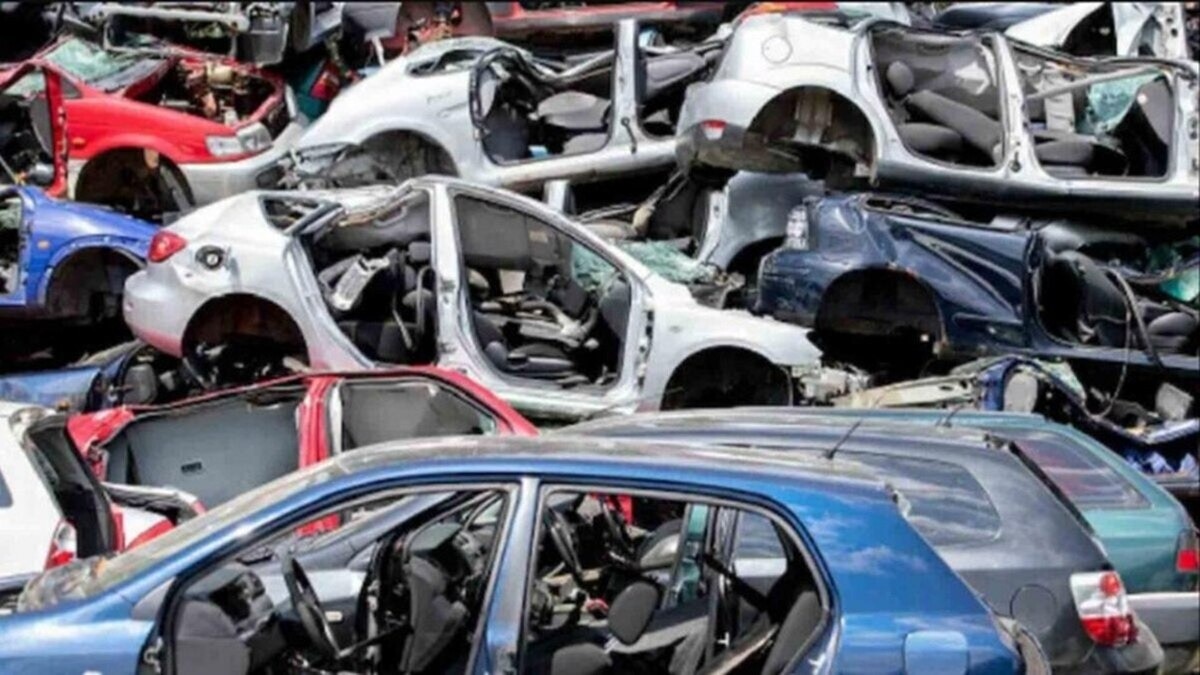
Bengaluru has initiated a citywide drive to remove abandoned vehicles blocking roads and open areas, aiming to free up footpaths, improve pedestrian safety, and restore urban aesthetics. The operation is being enforced under Section 324 of the Greater Bengaluru Authority Act, 2024.
Key Takeaways
- Bengaluru launches citywide drive to remove abandoned vehicles from public spaces
- Owners receive a 7‑day notice; wheel clamps will be applied to restrict movement
- Unclaimed vehicles will be seized and auctioned according to statutory guidelines
The Greater Bengaluru Authority (GBA) announced on Friday a high‑profile campaign to clear abandoned vehicles from sidewalks, roads, and open spaces across the city. Development Minister Krishna Byre Gowda inaugurated the drive on Queens Road, where officials affixed notices on several parked cars in the presence of traffic police.
Legal Framework and Background
Stray and illegally parked vehicles have long crippled Bengaluru’s traffic flow, endangered pedestrians, and occupied valuable public land. To combat this, the GBA invoked Section 324 of the Greater Bengaluru Authority Act, 2024, which empowers authorities to remove unauthorized objects from public property. Under this provision, owners are given a seven‑day window to relocate their vehicles; failure to comply results in wheel‑clamping and eventual towing.
Enforcement Procedure
All five city corporations under the GBA, coordinated with the traffic police, began the joint enforcement drive on July 10. After a notice is posted, a wheel clamp is installed to prevent the vehicle’s movement. If the owner does not act within the stipulated period, the vehicle is towed, seized, and later auctioned in line with statutory guidelines—no further claims will be entertained.
Urban Planning and Social Impact
The initiative dovetails with Bengaluru’s broader effort to reclaim footpaths and open spaces from encroachments. Urban planners argue that removing abandoned vehicles not only eases congestion but also creates safer, more accessible routes for pedestrians, cyclists, and people with disabilities. Moreover, the auction of seized vehicles is expected to generate additional municipal revenue, reinforcing the fiscal sustainability of the program.
Looking Ahead
GBA officials have signaled that this drive is just the first phase of a continuous monitoring system. Future plans include a digital portal for real‑time owner notifications and a citizen‑reporting app to flag violations instantly. If successfully rolled out, Bengaluru could set a precedent for other Indian metros grappling with similar urban clutter.