Aftermarket tuners now boost horsepower and torque through electronic control unit (ECU) software, while OEMs tighten security. This clash reshapes performance, regulation, and future automotive innovation.
Key Takeaways (मुख्य बिंदु)
- ECU tuning transforms power gains into a software‑driven process.
- OEMs are hardening chip security, forcing tuners to confront new technical and legal hurdles.
- Future tuning will need to balance performance with regulatory compliance and cybersecurity.
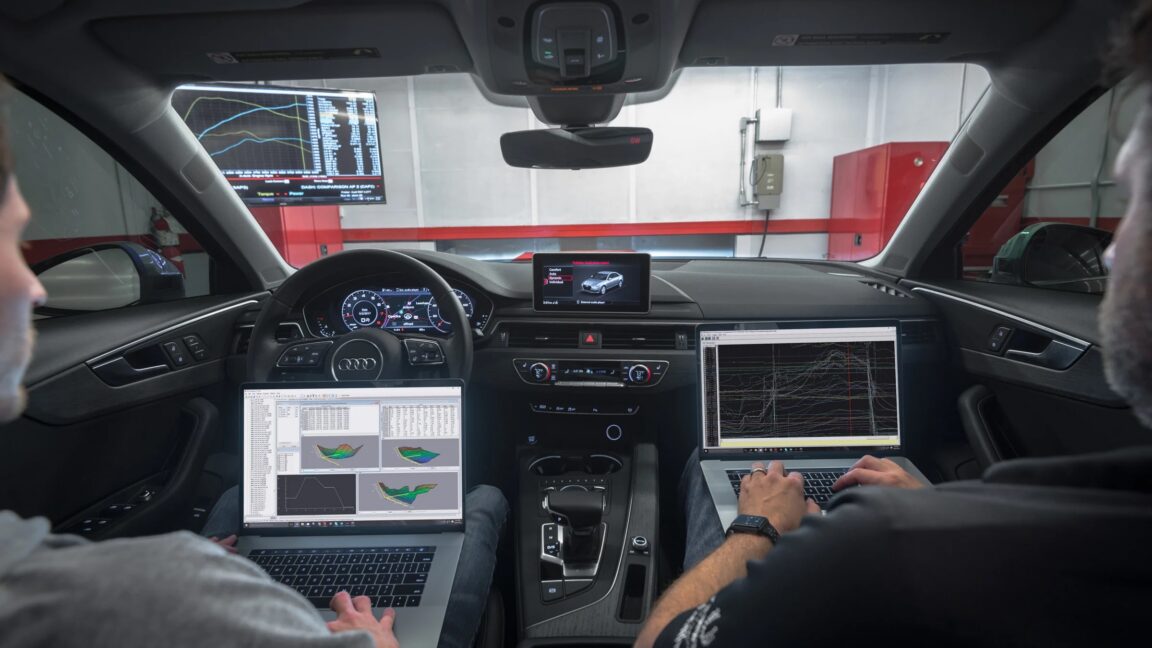
The aftermarket automotive performance landscape has evolved dramatically over the past few decades. What once required mechanical modifications—custom exhausts, camshaft swaps, and hand‑tuned fuel delivery—can now be achieved in minutes by reprogramming an electronic control unit (ECU). This shift to digital tuning unlocks substantial horsepower and torque gains across naturally aspirated, turbocharged, and supercharged engines.
Historical Evolution
In the early 1990s, ECU technology was nascent; tuners could only adjust basic fuel maps and ignition timing. The 2000s saw the rise of turbo and supercharged powerplants, prompting the development of sophisticated mapping software and flash tools. These advances turned ECU tuning into a high‑value service, often priced at premium levels but delivering measurable performance improvements.
Security Becomes the New Battlefield
Today, original equipment manufacturers (OEMs) embed encryption, digital signatures, and real‑time monitoring within their control modules to protect intellectual property and ensure reliability. Companies such as APR (Audi Performance & Racing) in Alabama must continually invest in research to crack these protections, navigating both technical complexity and legal risk. In many jurisdictions, unauthorized ECU flashing is prohibited, adding another layer of challenge for tuners.
Looking Ahead
With electric vehicles gaining market share, the scope of ECU tuning is poised to shift. Reprogramming motor controllers and battery‑management systems could extend range and deliver instantaneous torque, but it also raises new cybersecurity and emissions‑compliance concerns. Collaborative frameworks between tuners and OEMs may become essential to ensure that performance gains do not compromise safety or regulatory standards.
Overall, ECU tuning has turned automotive power enhancement into a precise, software‑centric discipline. Yet the escalating security measures imposed by manufacturers mean that the future of tuning will hinge on balancing technical ingenuity with legal and ethical responsibilities.