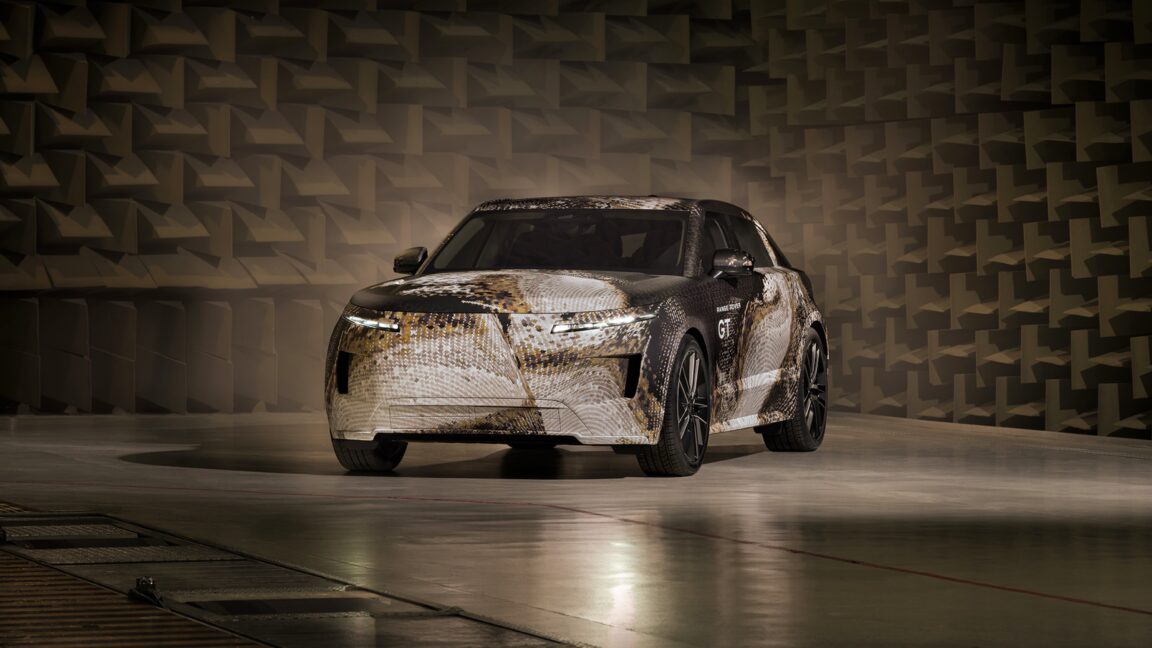
Maruti Suzuki is slated to refresh its flagship SUV on July 23, with a turbo‑petrol engine expected to lead the upgrade. The move aims to meet Indian buyers' demand for higher performance while keeping fuel efficiency in check.
मुख्य बिंदु (Key Takeaways)
- Maruti Suzuki's SUV will receive an update on July 23
- A turbo‑petrol powertrain is the headline feature
- Pricing, fuel economy and competitive positioning will be key concerns
Maruti Suzuki has announced a mid‑year refresh for its popular SUV line‑up, slated for launch on July 23 across Indian dealerships. The update promises subtle styling tweaks and, most importantly, the introduction of a turbo‑petrol engine—a move that could reshape the power‑train landscape in the country’s fiercely contested compact SUV segment.
Historical Context and Market Demand
Maruti’s SUV offerings, especially models like the Vitara Brezza and the S-Cross, have dominated city‑centric families and ride‑sharing operators for years. Yet, rivals such as Mahindra, Tata, and Kia have steadily rolled out turbo‑charged petrol and diesel variants, raising the bar for performance, refinement, and mileage. In this backdrop, a turbo‑petrol engine signals a strategic pivot to combine spirited driving dynamics with cost‑effective ownership.
Potential Advantages of Turbo‑Petrol
Turbo‑charging delivers two core benefits: first, a smaller displacement can produce power figures comparable to larger‑bore engines, delivering a more exhilarating drive. Second, modern direct‑injection and variable‑valve‑timing systems improve fuel consumption, often surpassing conventional naturally‑aspirated petrol units. Industry insiders speculate the new unit will be a 1.0‑ or 1.2‑liter turbo, targeting roughly 110‑130 bhp—a range that directly challenges existing diesel options while staying within Maruti’s cost‑sensitive pricing philosophy.
Pricing and Competitive Landscape
While official pricing remains under wraps, analysts predict the turbo‑petrol variant will sit at or slightly above current diesel pricing, preserving a compelling price‑to‑performance ratio. This aligns with a broader market trend where manufacturers are leveraging turbo‑petrol technology to shave weight, improve handling, and meet tightening emission norms without alienating price‑sensitive Indian consumers.
Future Outlook
Should the July refresh resonate with buyers, Maruti could accelerate its roadmap toward electrified powertrains, including mild‑hybrid or full‑EV options. Thus, the upcoming update is not merely a facelift; it may herald a new era of performance‑centric, yet fuel‑efficient, SUVs in India’s automotive narrative.