Volkswagen presented a plan to halve its model lineup without mentioning plant closures or layoffs, but the proposal was rejected 12-7. The vote highlights the strong influence of worker unions within the German automaker and raises questions about its future strategy in key markets.
मुख्य बिंदु (Key Takeaways)
- VW proposes halving its model range, omitting any plant closures or job cuts.
- Unions control half of the supervisory board, leading to a 12‑7 rejection of the plan.
- The automaker must devise new tactics to protect market share in Europe, China and North America.
Volkswagen Group, the owner of Audi, Porsche, Skoda and Lamborghini, has been riding a wave of electric‑vehicle sales in its home market, yet soaring tariffs and shrinking market share in China and North America have eroded its profit margins. The company’s earnings pressure prompted a supervisory‑board presentation of a “streamlining” blueprint that aimed to cut the model portfolio in half.
Unique Governance Structure
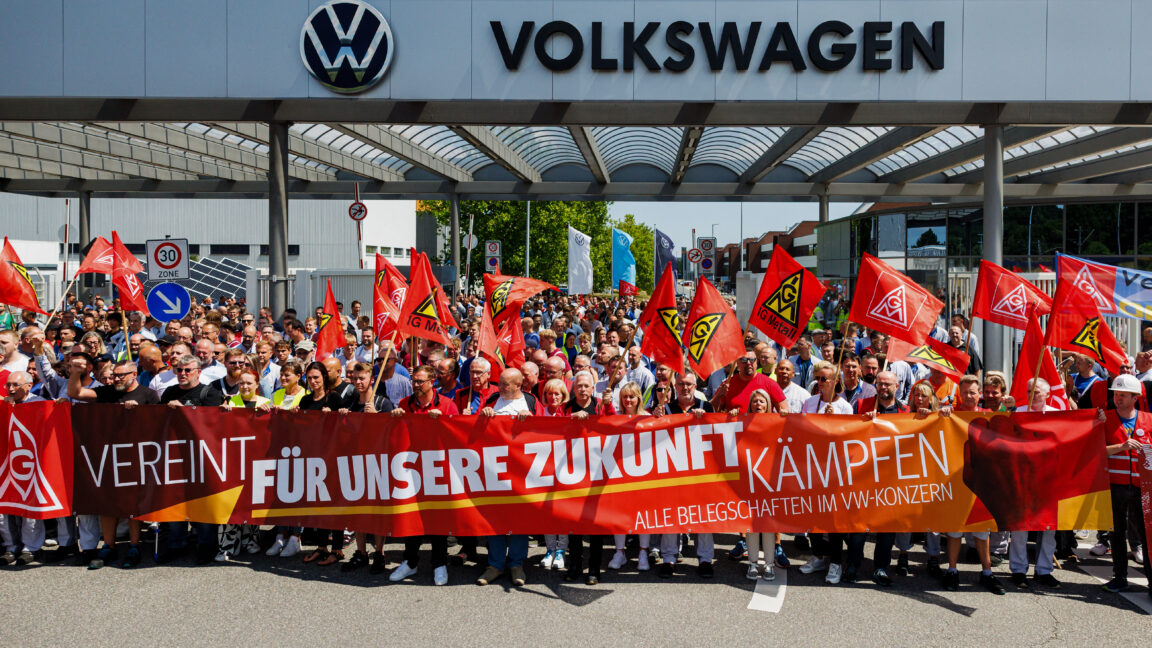
Unlike most car makers, VW’s supervisory board is unusually democratic. Ten of the twenty seats are appointed by worker councils, and two additional seats are filled by representatives of the German state of Lower Saxony, which holds a minority stake in the group. This composition means that decisions are evaluated not only on financial return but also on employment security and social responsibility.
Historical Labor Tension
Labor disputes have long shadowed any hint of redundancies at VW. In 2024, after months of negotiations, the group and its unions agreed to trim 35,000 jobs by 2030 – a concession that still left many workers uneasy about the future of their factories.
Rejection of the New Plan
The latest proposal, which suggested reducing the number of models without explicitly announcing plant closures or immediate layoffs, was voted down by a 12‑7 margin. Union delegates argued that a slimmer model range could create production bottlenecks and, ultimately, jeopardize job security in the longer term.
Strategic Implications
VW now faces a crossroads: it must craft a strategy that preserves its electric‑vehicle momentum in Europe while regaining footing in the fiercely competitive Chinese and North American markets. Industry analysts warn that without greater flexibility, the group risks losing both market share and profitability, a setback that could reverberate across the entire European automotive sector.
In short, the episode underscores how powerful labor representation can shape the strategic direction of a global automaker, and it foreshadows the complex balancing act VW will have to perform in the years ahead.