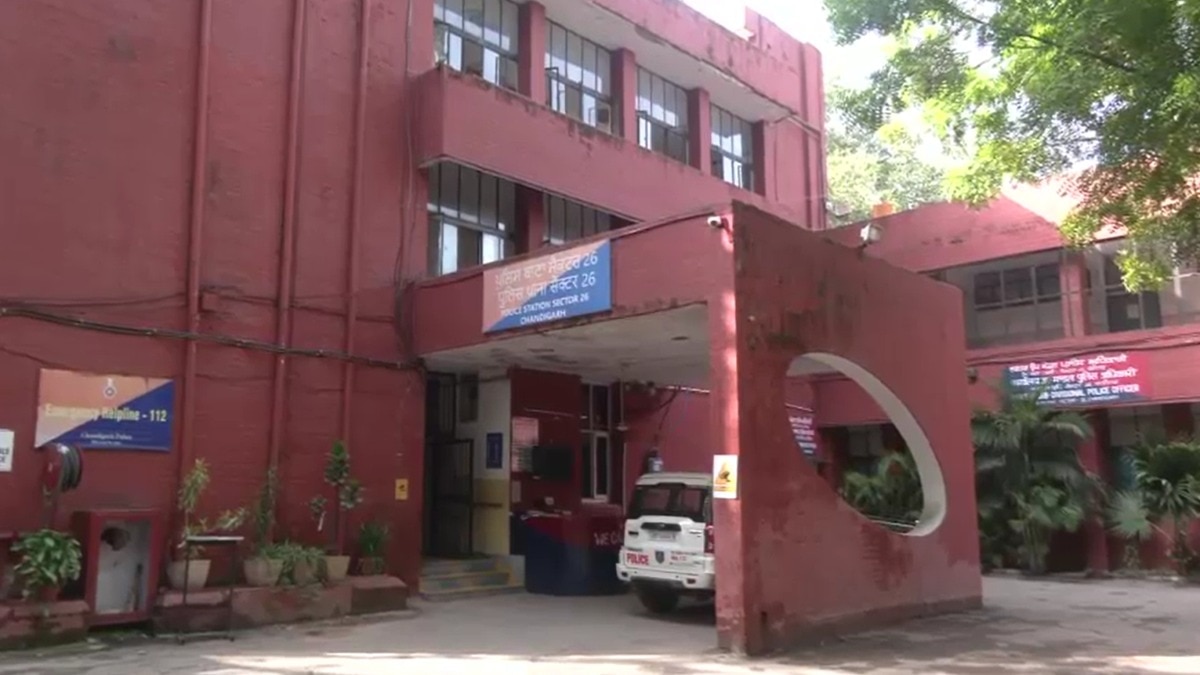
Chandigarh police have detained a 17‑year‑old juvenile driver in the Mercedes hit‑and‑run case, while 18‑year‑old owner Akhil Hasrana will appear before a court on Monday. Ongoing investigations await forensic and medical reports, which may lead to additional charges.
मुख्य बिंदु (Key Takeaways)
- 17‑year‑old juvenile driver released on bail; 18‑year‑old owner to be presented in court.
- Three minor victims – two discharged, one still under treatment.
- Forensic and medico‑legal reports may trigger additional charges.
In a shocking incident that has reignited concerns over road safety, Chandigarh police detained both the vehicle owner and the alleged driver involved in a Mercedes hit‑and‑run that injured three minors. The owner, 18‑year‑old Akhl Hasrana, will be presented before a competent court on Monday, while the 17‑year‑old driver has been granted bail pending further investigation.
Incident Overview
According to police statements, the collision occurred outside a local club when the owner allegedly opened the Mercedes door, striking one individual. A subsequent confrontation escalated, and the vehicle is accused of running over three teenagers: Alispreet Singh from Sector 44, 17‑year‑old Amjad of Bapudham Colony, and 17‑year‑old Akshit of Panchkula.
Victims’ Condition
Two of the injured have already been discharged from the hospital, while one remains under medical care. All three victims are minors, underscoring the gravity of the incident and prompting calls for stricter protection of young road users.
Legal Proceedings and Ongoing Investigation
The FIR has been lodged under Sections 281 and 125(a) of the Bharatiya Nyaya Sanhita, both of which are bailable offenses. Preliminary findings suggest the accused may have been under the influence of alcohol at the time, but definitive conclusions await forensic analysis and alcohol‑test results. Depending on the medico‑legal report, additional sections could be added to the charge sheet.
Wider Implications
This case highlights the challenges of enforcing traffic laws when minors are involved, and it may set a precedent for how juvenile drivers are treated in serious offenses. A stringent court outcome could serve as a deterrent, urging policymakers to tighten licensing norms and enhance monitoring of young drivers.