An Air India Airbus experienced a terrifying 300-foot altitude drop after losing hydraulic controls for 4 seconds. Compounding the crisis, the pilot-in-command has tested positive for marijuana.
Key Takeaways
- Air India flight AI2379 from Phuket to Delhi experienced a sudden 300-foot altitude drop.
- The aircraft (VT-EXO) suffered a temporary loss of all three hydraulic systems.
- 24 people, including 20 passengers and 4 crew members, sustained injuries.
- The pilot-in-command tested positive for marijuana in a confirmatory drug test.
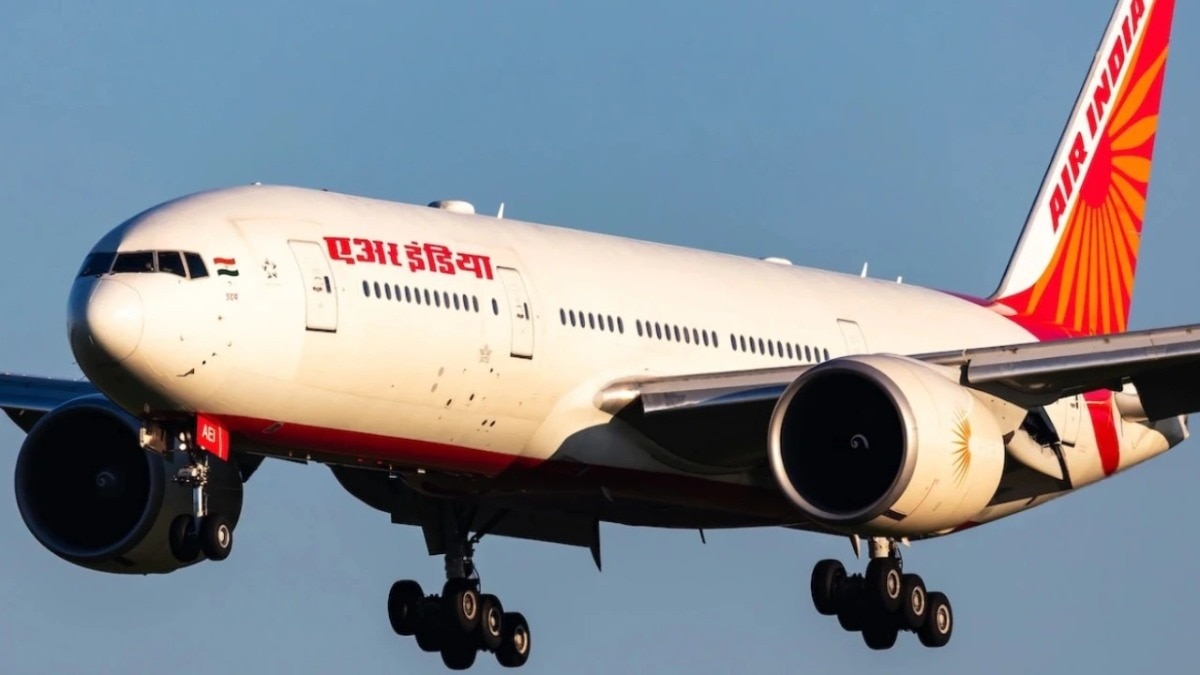
A terrifying mid-air incident has rocked the aviation industry as an Air India Airbus A320 experienced a sudden loss of control, plunging approximately 300 feet. The aircraft, operating flight AI2379 from Phuket to Delhi on August 4, briefly lost vital flight controls after experiencing a total failure in its three hydraulic systems, according to a preliminary analysis by Airbus.
Technical Breakdown and Injuries
The aircraft, registered as VT-EXO, encountered a critical situation where its elevators and ailerons—the components responsible for pitch and roll—became unavailable for about four seconds. During this window, the plane's stability was compromised. While the flight crew attempted to regain control with a full nose-down input, there was no immediate response from the flight-control surfaces until the hydraulic pressure was restored. The turbulence and sudden drop resulted in injuries to 24 individuals, including 20 passengers and four cabin crew members, 17 of whom required hospitalization.
Why This Matters
BozokMedia analysis shows that this incident highlights a dual-threat scenario in aviation: mechanical vulnerability and human error. The simultaneous failure of multiple hydraulic systems is an extremely rare and dangerous occurrence that demands rigorous investigation by the Aircraft Accident Investigation Bureau (AAIB).
The intersection of a critical mechanical failure and a positive drug test for the pilot creates a complex investigative challenge for aviation authorities.
Pilot Conduct Under Investigation
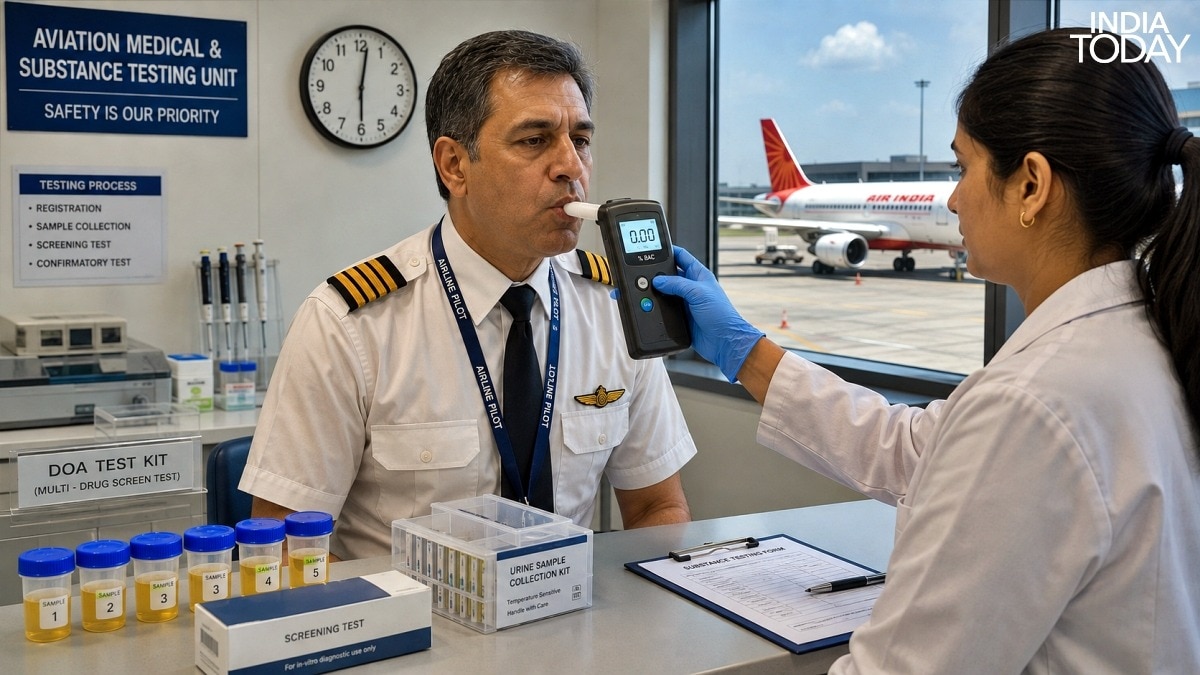
Adding a layer of scandal to the technical failure, the Ministry of Civil Aviation (MoCA) revealed that the pilot-in-command tested positive for marijuana. Following an initial non-negative screening, confirmatory tests officially identified the substance. This development has placed the pilot's conduct under intense scrutiny, as investigators look to determine if substance use played any role in the handling of the emergency.
Historical Context of Hydraulic Failures
Hydraulic systems are the lifeblood of an aircraft's control surfaces. Historically, the loss of hydraulic fluid or pressure has been a leading cause of emergency landings. However, modern aircraft are designed with triple redundancy to prevent a total loss of control, making this specific incident highly anomalous.
Frequently Asked Questions
1. How many people were injured in the Air India incident?
A total of 24 people were injured, including 20 passengers and 4 crew members.
2. What was the cause of the altitude drop?
The drop was caused by a temporary loss of control in the aircraft's elevators and ailerons due to hydraulic system failures.