Ensuring aviation safety requires rigorous medical scrutiny. Discover the scientific methods and protocols used to conduct drug tests on pilots in India.
Key Takeaways
- Regular medical screening is mandatory for pilot certification in India.
- Urine and blood samples are the primary tools for drug detection.
- Advanced chromatography is used to detect even trace amounts of substances.
In the high-stakes world of aviation, there is zero margin for error. In India, the safety of millions of passengers rests on the shoulders of pilots who must be in peak physical and mental condition. To ensure this, the Directorate General of Civil Aviation (DGCA) mandates strict drug testing protocols, commonly known as dope tests, to eliminate any risk of substance abuse.
The Science of Detection
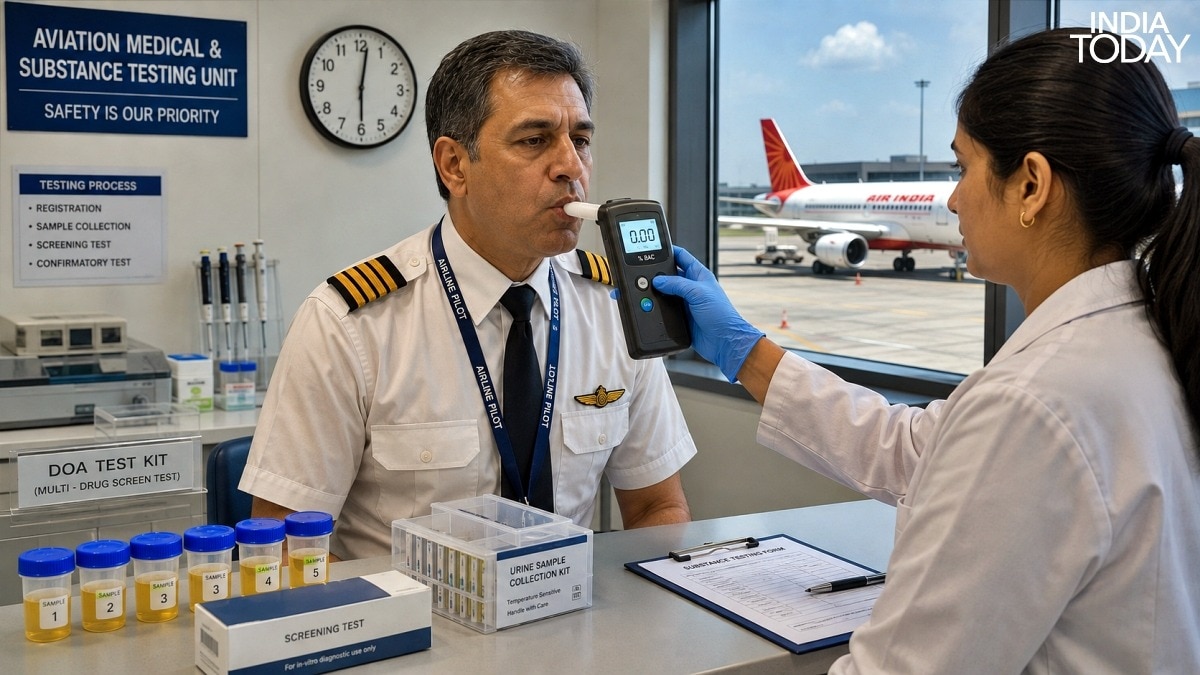
The biological process of drug testing relies on identifying metabolites—the byproducts created when the body breaks down a substance. Most tests involve Urine Analysis, which is highly effective at detecting substances that have been processed by the kidneys. For more immediate or specific detection, Blood Tests are utilized to find substances currently circulating in the bloodstream.
Why This Matters
BozokMedia analysis shows that the implementation of these rigorous tests is a proactive measure against human error. By using sophisticated technology like Gas Chromatography-Mass Spectrometry (GC-MS), laboratories can distinguish between legal medications and illegal narcotics with near-perfect accuracy, ensuring that only fit pilots are in the cockpit.
Precision in toxicology is not just a scientific requirement; it is a fundamental pillar of global aviation safety.
Historical Background
Following international standards set by the International Civil Aviation Organization (ICAO), India has evolved its medical examination standards significantly. What once began as basic visual and physical checks has transformed into a complex, technology-driven medical surveillance system designed to meet modern physiological challenges.
Frequently Asked Questions
1. Are these tests conducted randomly?
Yes, pilots are subject to both scheduled medical examinations and unannounced random drug screenings.
2. What happens if a pilot tests positive?
A positive result typically leads to immediate grounding and a thorough investigation by aviation authorities.