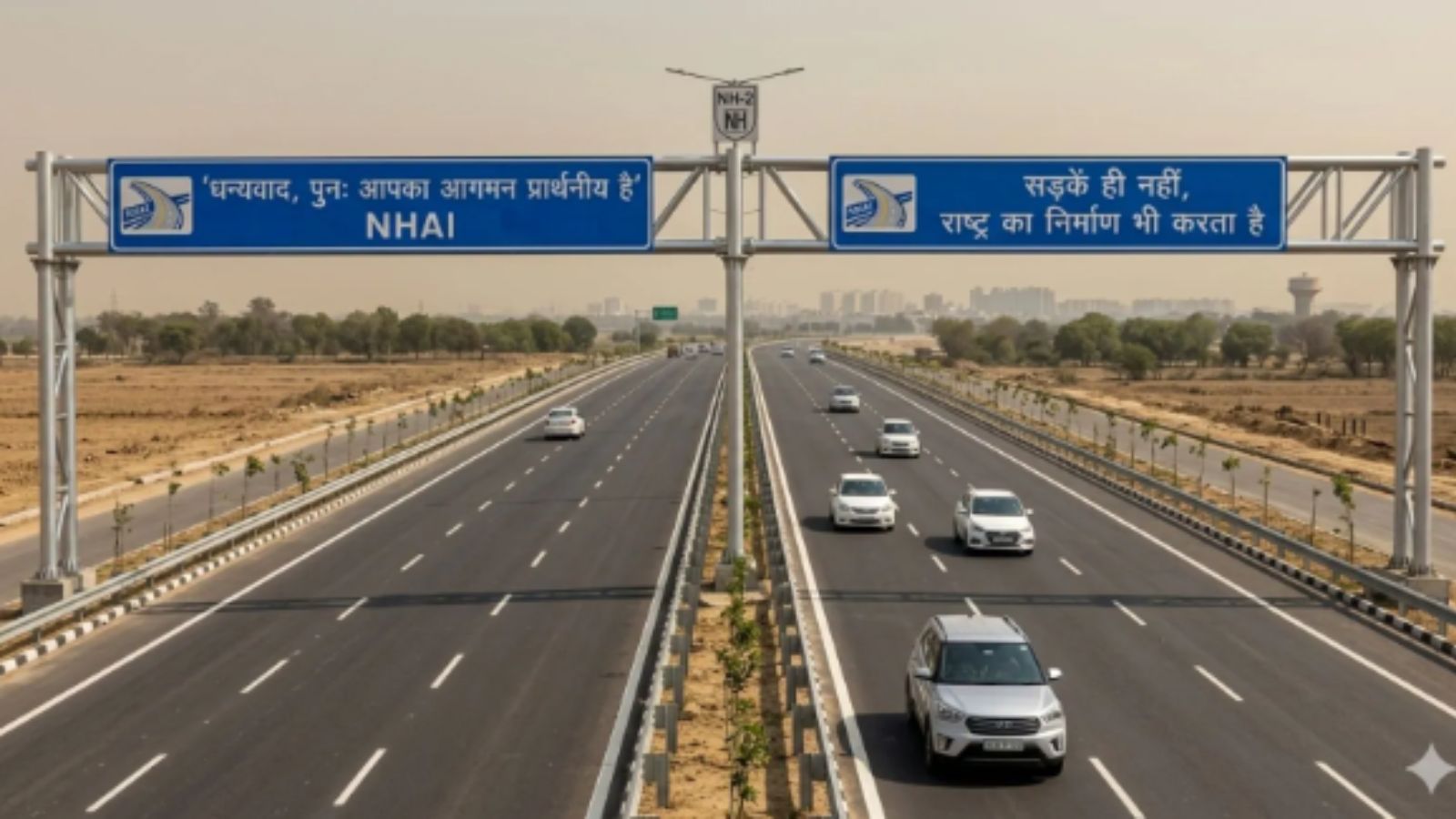
The Union Cabinet has green‑lit two massive elevated highway corridors along the Varuna and Ganga rivers in Varanasi, costing a total of ₹25,446 crore. The move aims to slash travel times and alleviate the chronic traffic jams caused by the city’s 15 crore annual tourist influx.
Key Takeaways
- Two elevated highway corridors approved for Varanasi
- Project cost totals ₹25,446 crore
- Design speed of 80‑100 km/h expected to cut travel time from 40 min to 20 min
Varanasi, a city that welcomes roughly 15 crore visitors each year, has been grappling with severe road‑capacity constraints. To address the mounting congestion, the central government has incorporated two high‑profile elevated corridors into its broader Varanasi Decongestion Plan, and the Union Cabinet gave its final approval on July 16, 2026.
Project Overview
The first corridor stretches 43 km and links NH‑31 with the Varanasi Ring Road (NH‑135B) along the banks of the Varuna River. Built as a 6/4‑lane elevated stretch with a design speed of 80‑100 km/h, it will feature flyovers, loops, ramps and service roads. Officials project that travel between NH‑31 and Kashi Railway Station will drop from 40 minutes to just 20 minutes.
The second corridor, measuring 46 km, connects NH‑19 to the Ring Road following the Ganga River. It includes a 6‑lane elevated main carriageway, a striking 910‑metre cable‑stayed bridge, a 1.32‑km extradosed foot‑over‑bridge‑cum‑major bridge with a travelator for pedestrian access to the Kashi Vishwanath Temple, and a rail‑over‑bridge over the proposed Malviya Bridge. Together, these structures will divert traffic away from the dense urban core, linking key nodes such as Ramnagar, BHU and other strategic centres.
Economic and Social Impact
With a combined outlay of ₹25,446 crore, the projects will be executed under the Hybrid Annuity Model (HAM), blending government funding with private‑sector risk‑sharing. The expected reduction in average travel time—from 60 minutes to roughly 20 minutes—will boost tourism, commerce, and daily commuting efficiency across the Varanasi‑Chandauli region.
Related Railway Initiatives
Alongside the highway schemes, the Cabinet also sanctioned two railway upgrades: a 74‑km double‑track on the Paradeep‑Haridaspur line in Odisha, and a 71‑km quadruple‑track on the Rajkharsawan‑Dangoaposi line in Jharkhand. These upgrades will tighten port‑to‑industry links, raising freight capacity by an estimated 44 million tonnes per annum.
Future Outlook
Beyond immediate congestion relief, the elevated corridors are poised to set a benchmark for integrating high‑capacity road infrastructure with heritage tourism. Urban planners suggest that Varanasi’s model could be replicated in other pilgrim‑heavy cities, delivering cleaner, faster, and more sustainable mobility across India.