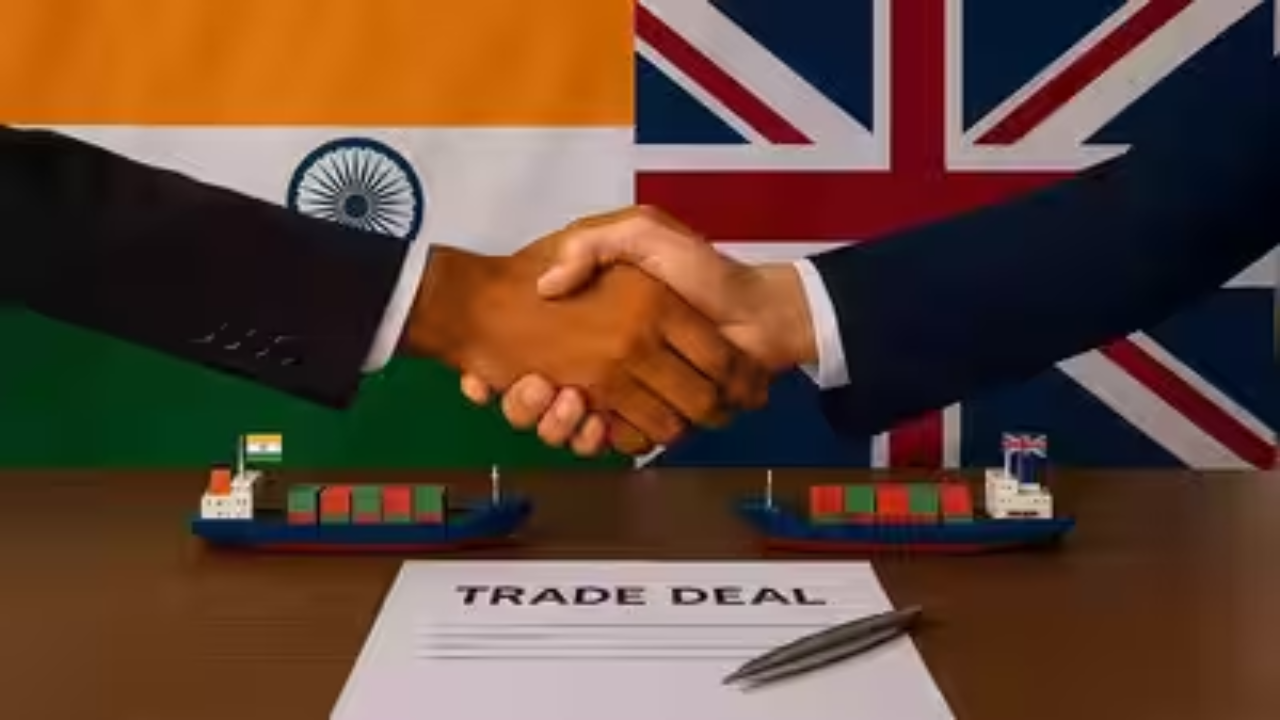
On the first day of the India‑UK Comprehensive Economic and Trade Agreement (CETA), India shipped over $140 million worth of goods to the UK duty‑free. More than 50 consignments departed from over 20 ports, airports and SEZs, covering electronics, pharma and textiles.
Key Takeaways
- $140 million exported duty‑free on day one
- Electronics, pharmaceuticals, textiles lead the surge
- CETA provides near‑99% tariff‑free access for Indian goods
New Delhi— As the India‑UK Comprehensive Economic and Trade Agreement (CETA) came into force, India exported goods worth more than $140 million to the United Kingdom without any import duty, Commerce Secretary Rajesh Agrawal announced. Over 50 consignments were flagged off from more than 20 ports, airports, inland container depots and special economic zones across the country.
Background and Negotiation Journey
The pact was concluded after fourteen rounds of talks and more than 800 technical sessions, making it one of India’s most ambitious trade agreements to date. CETA grants Indian exporters duty‑free entry for roughly 99 % of their products into the UK market, eliminating previously levied tariffs that ranged between 2 % and 16 %.
Key Export Sectors
The shipments comprised electronics, pharmaceuticals, gems and jewellery, textiles and a host of other items. They moved through gateways such as Mundra, Nhava Sheva and Chennai ports, as well as air‑cargo complexes in Mumbai, Kolkata and Hyderabad. The agreement also benefits leather, footwear, mechanical and electrical machinery, plastics, base metals, marine products and jewellery, all of which previously faced modest duties.
Economic Impact and Future Outlook
British High Commissioner to India Lindy Cameron projected that the deal could lift bilateral trade by over £25 billion annually in the long run and contribute roughly £5 billion each year to the GDPs of both nations. The Department of Commerce will collaborate with export promotion councils to ensure exporters and industrial clusters can fully leverage the agreement’s benefits.
Analytical Perspective
Experts argue that the pact not only opens product‑level opportunities but also paves the way for services and investment flows, enhancing the resilience of supply chains on both sides. By offering near‑tariff‑free access, the agreement positions Indian manufacturers as competitive players in the global market, while providing the UK with a reliable source of high‑quality goods.