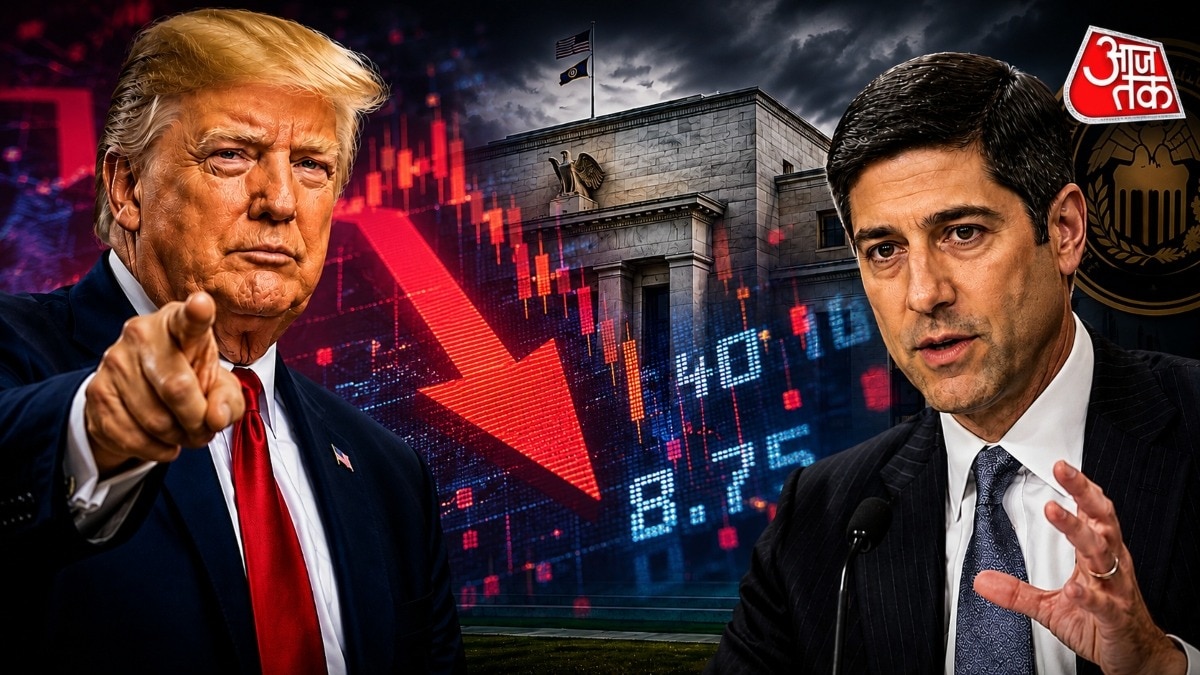
The Federal Reserve left its policy rate unchanged at 3.5%-3.75%, triggering steep declines across Dow Jones, Nasdaq, and S&P‑500. The decision also weakened the dollar and sent oil prices soaring.
Key Takeaways
- Fed kept policy rate steady at 3.5%-3.75%
- Dow Jones fell 2.19% (1153 points)
- Dollar Index closed below 101
Federal Reserve Chair Kevin Warsh announced on July 29 that the policy rate would remain unchanged after a two‑day meeting. This marks the fourth consecutive time the Fed has held rates steady while inflation stays above its 2% target.
Following the announcement, Wall Street experienced a sharp sell‑off. The Dow Jones Industrial Average dropped 2.19% (1153 points) to close at 51,594. The NASDAQ slipped 1.74% (434 points) to 24,443, and the S&P‑500 fell 1.52% (112 points) to 7,316.
The dollar index also weakened for a second straight day, closing under 101, while the 30‑year Treasury yield surged past 5.2%, the highest level since 2007. Meanwhile, Middle‑East tensions pushed Brent crude to touch $90 per barrel.
Historical Background
Over the past five years, the Fed has repeatedly raised rates, but after 2024’s inflation slowdown, it shifted to a policy of holding rates steady. Following a series of 0.25% hikes that capped the rate at 3.5%-3.75% in 2023, the central bank has now opted for a pause, a move that historically fuels market uncertainty.
Why This Matters
BozokMedia analysis shows that a prolonged period of unchanged rates amid high inflation can trigger market volatility, pressuring both equity and bond markets while amplifying currency fluctuations.
"Holding rates steady for too long without curbing inflation creates market uncertainty," said financial analyst Dr. Anita Singh.
Frequently Asked Questions
Question 1: Could the Fed change its policy rate in the near future?
Answer: Yes, the Fed can adjust rates based on upcoming economic data.
Question 2: How might this market drop affect emerging markets?
Answer: A weaker dollar and higher bond yields can increase capital outflows from emerging economies.