Global equity markets showed resilience today, climbing despite heightened tensions involving Iran. Meanwhile, crude oil prices rose on supply concerns, and the Japanese Yen eased.
Key Takeaways
- Global stock markets trend upward despite geopolitical instability in the Middle East.
- Crude oil prices climb due to supply chain concerns linked to Iran.
- The Japanese Yen experienced weakness in recent trading sessions.
In a surprising turn of events, global equity markets have demonstrated significant resilience today. Despite the escalating geopolitical tensions involving Iran, major stock indices managed to post gains, signaling a cautious optimism among global investors regarding economic fundamentals.
Energy and Currency Fluctuations
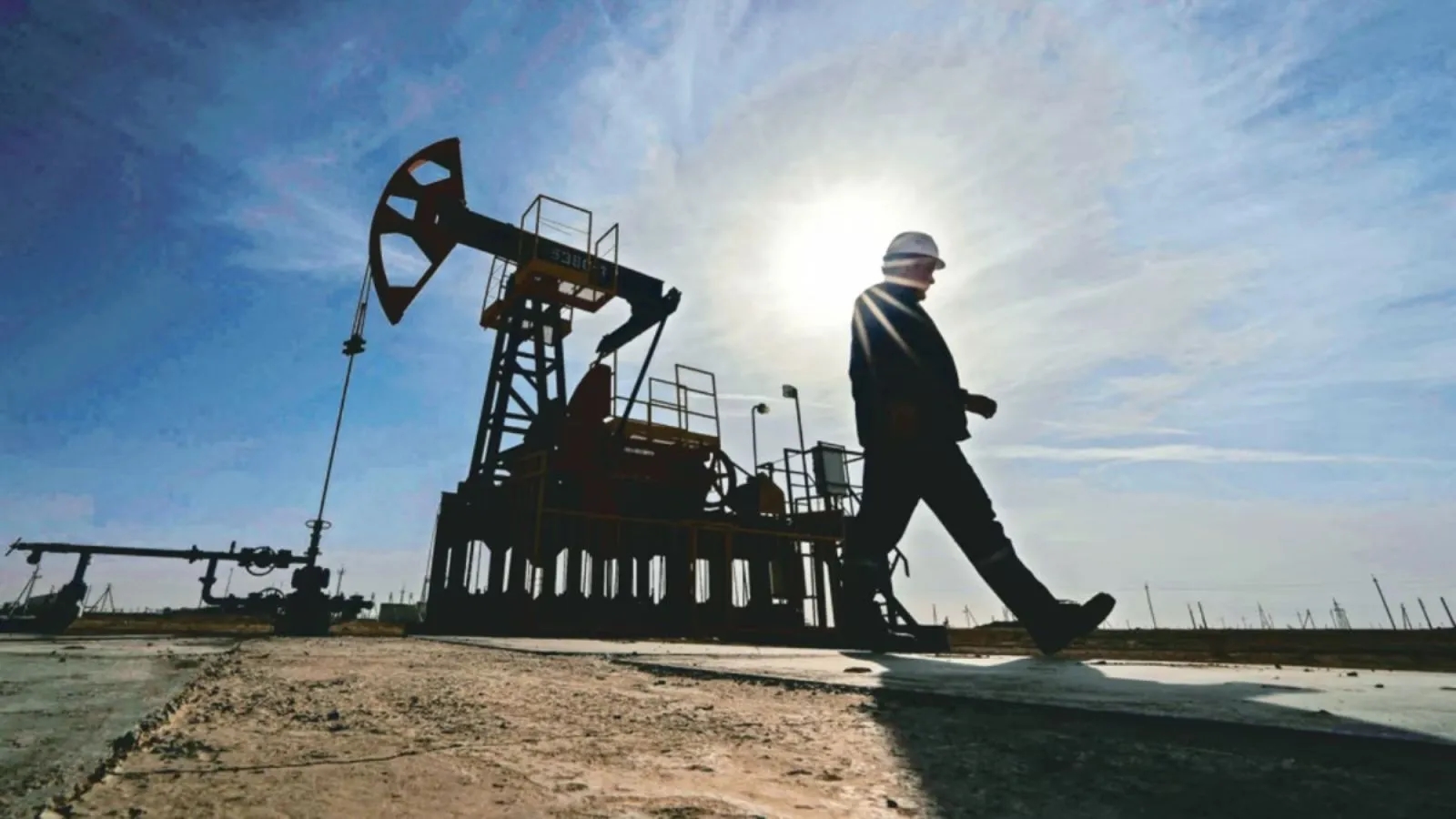
The energy sector is witnessing heightened volatility as crude oil prices trend upward. The geopolitical friction in the Middle East has reignited fears of supply disruptions, driving demand and prices higher. Simultaneously, the Japanese Yen has eased, adding another layer of complexity to the international currency markets.
Why This Matters
BozokMedia analysis shows that markets are currently navigating a complex landscape where geopolitical risks are being weighed against economic growth indicators. The rise in oil prices is a critical factor to watch, as sustained high energy costs could reignite inflationary pressures globally.
The market's ability to rise amidst Middle Eastern tension suggests a temporary decoupling of geopolitical risk from immediate equity sentiment.
Frequently Asked Questions
1. How does Iran's tension affect global markets?
Tensions in the Middle East often lead to fears of oil supply disruptions, which typically causes oil prices to spike and can lead to volatility in stock markets.
2. Why is the Yen weakening?
The Yen's weakness is often driven by interest rate differentials between the Bank of Japan and other major central banks like the US Federal Reserve.