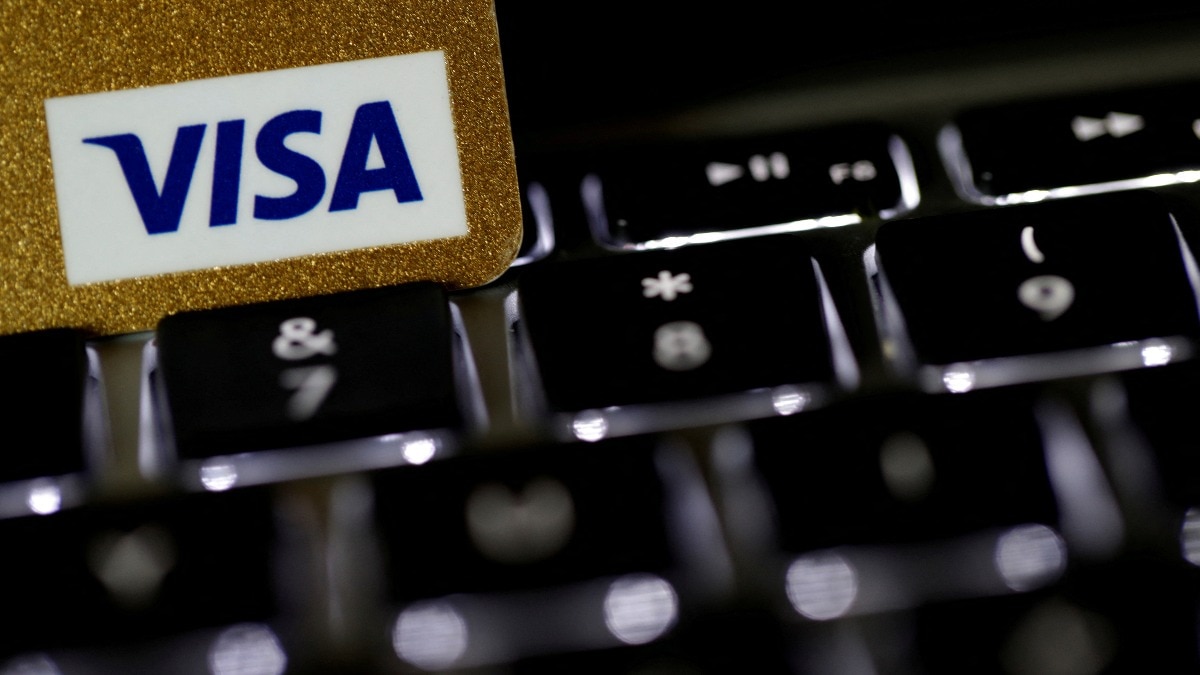
Visa has initiated a wave of layoffs in its India operations, driven by a strategic pivot toward Artificial Intelligence. Sudden emails and empty desks mark a new era of automation-led restructuring.
Key Takeaways
- Visa is restructuring its Indian workforce to prioritize AI-driven operations.
- Employees reported receiving sudden termination notices via email.
- The move reflects a global trend of shifting from human-intensive to tech-intensive models.
Global payment giant Visa has sent shockwaves through its Indian operations with a series of strategic layoffs. As the company pivots toward a more automated future, several roles have been eliminated, leaving many employees grappling with sudden news and deserted office desks.
The AI Push: Efficiency Over Headcount
The primary driver behind this restructuring appears to be the rapid integration of Artificial Intelligence (AI). By automating routine processes and complex data workflows, Visa aims to streamline its operations and reduce long-term costs. However, the human cost of this efficiency is becoming increasingly visible in their Indian offices.
Why This Matters
BozokMedia analysis shows that this move is a bellwether for the entire fintech industry. As companies race to integrate generative AI, the traditional workforce is facing an existential threat, forcing a massive shift in how corporate talent is valued and utilized.
The transition from human-centric to AI-centric operations is no longer a future prediction; it is a current corporate reality.
Historical Background: The tech sector has seen multiple waves of restructuring since the post-pandemic hiring boom. Companies that over-hired during the digital surge are now aggressively rightsizing their staff to meet the demands of an AI-driven economy.
Frequently Asked Questions
1. Why is Visa conducting layoffs in India?
The layoffs are part of a strategic reorganization to integrate more AI and automation into their core business functions.
2. How were employees notified?
Reports indicate that many employees received sudden notification via email, leading to immediate disruption in the workplace.