Surat polishes 93% of the world's diamonds, yet the lucrative rough diamond trade remains anchored in Dubai and Antwerp due to tax hurdles.
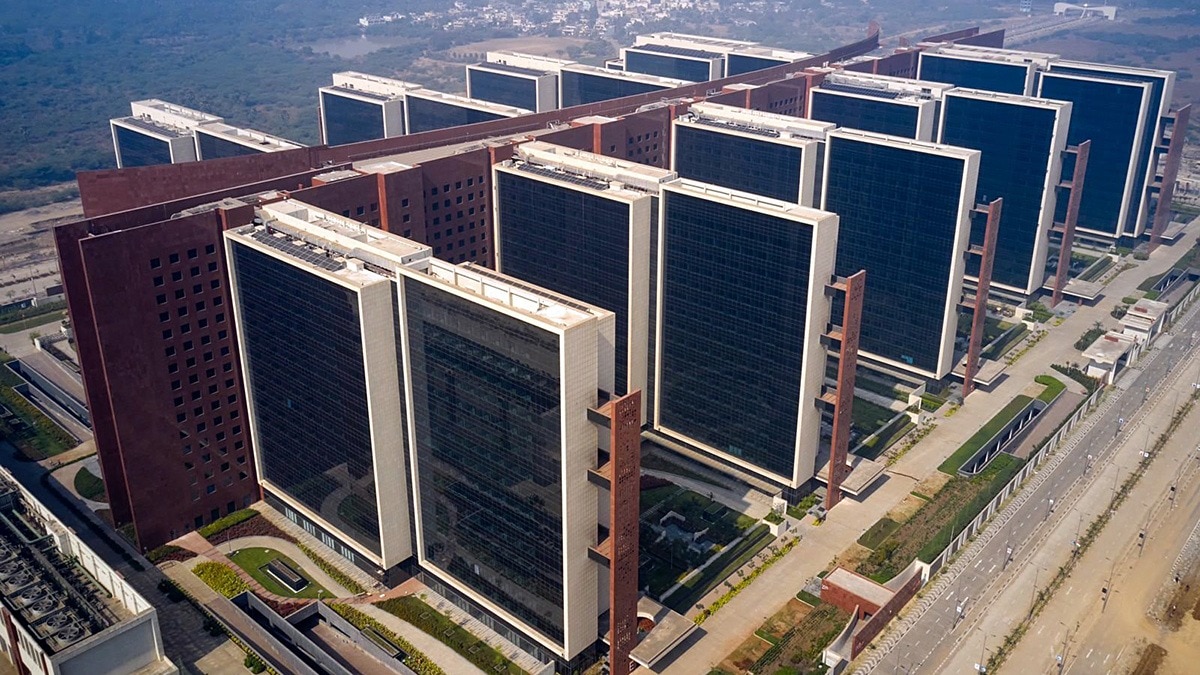
The Surat Diamond Bourse, envisioned as the world's largest office complex, was designed to transform Surat into a global epicenter for diamond trading. However, two years after its inception, the reality on the ground tells a different story. While Surat is the undisputed king of diamond polishing—shaping 14 out of every 15 diamonds sold globally—the critical upstream trade of rough diamonds continues to flow through Antwerp, Dubai, and Hong Kong.
The primary reason for this disconnect is India's taxation and regulatory landscape. Historically, the diamond trade relies on both primary markets (direct sales from miners) and secondary markets (auctions and tenders). Although India established Special Notified Zones (SNZs) in Mumbai and Surat to attract global miners, the steep income tax on foreign sellers acted as a massive deterrent. Consequently, miners would often display stones in India only to finalize the actual transaction in tax-friendly hubs like Dubai.
Why This Matters (इसके मायने क्या हैं)
BozokMedia analysis shows that this structural gap prevents India from capturing the full value of the diamond supply chain. Currently, India acts primarily as a manufacturing hub, capturing the 'value addition' through polishing, while the high-margin 'trading and discovery' profits remain with foreign entities. This creates an economic leak where the most lucrative part of the industry happens elsewhere.
For the Indian economy, shifting rough diamond trading to Surat would be transformative. It would trigger a massive multiplier effect, stimulating sectors such as trade finance, specialized insurance, logistics, and professional services. Moving the trade closer to the manufacturing base would also drastically reduce transaction costs and logistical inefficiencies for Indian manufacturers who currently travel abroad to source materials.
"A globally competitive and facilitative tax and regulatory framework is essential to realize India's potential as a leading global rough diamond trading hub." - Sabyasachi Ray, Executive Director, GJEPC
Despite the July 2024 Union Budget attempting to ease the burden by scrapping certain levies and introducing a 'safe harbour' for miners, the dominance of Dubai remains undented. Data indicates that while Belgium's share of India's imports has dipped, Dubai's share has surged to nearly 64.5% in 2025, proving that tax competitiveness is the ultimate decider in global commodity trading.
Historical Background
For decades, the diamond industry has been bifurcated between the 'mining/trading' centers and the 'polishing' centers. Antwerp, Belgium, has long been the traditional heart of the diamond trade, providing a mature financial ecosystem. In recent years, Dubai has aggressively challenged this dominance by offering a zero-tax environment and unparalleled ease of doing business, making it the preferred transit point for the global diamond flow.
| Feature | India (SNZ/Surat) | Dubai/Antwerp |
|---|---|---|
| Tax Structure | High/Complex | Low/Tax-Free |
| Primary Role | Manufacturing/Polishing | Global Trading Hub |
| Regulatory Ease | Moderate | High |
Frequently Asked Questions (अक्सर पूछे जाने वाले प्रश्न)
Question 1: Why do miners prefer Dubai over India?
Answer: Dubai offers a highly favorable tax structure with no direct tax on displayed roughs, combined with a mature financial ecosystem and ease of business.
Question 2: How does the rise of lab-grown diamonds affect this news?
Answer: The surge in lab-grown diamonds has led to a global slump in the rough diamond market, reducing overall trading volumes in traditional hubs.