The ODOP scheme in Uttar Pradesh is transforming Varanasi's textile landscape, creating a massive ecosystem of jobs for designers, machine operators, and technicians alongside traditional weavers.
- The ODOP scheme is expanding employment from traditional weavers to machine operators, designers, and printers.
- The Jagatpur Common Facility Centre (CFC) has grown from 4 to over 70 employees.
- Subsidies and financial support are enabling small entrepreneurs to modernize their production units.
The rhythmic sound of looms in the lanes of Varanasi is no longer just about manual weaving. The Uttar Pradesh government's 'One District One Product' (ODOP) initiative has sparked a transformation that extends far beyond the traditional weaver. This revival is building a sophisticated industrial ecosystem, creating diverse employment opportunities for a new generation of skilled workers.
From Panipat to Varanasi: A Homecoming of Talent
Dhananjay Dhananjay’s journey perfectly encapsulates this shift. Originally from Fatehpur, he previously worked in Panipat, Haryana—one of North India's largest textile hubs. However, the distance from home meant high living costs and emotional strain. With the revival of the Banarasi industry, Dhananjay moved back to his roots. He now works as a machine operator in a weaving unit in Bhatti village, Lohta, proving that the industry now requires technical expertise alongside traditional craft.
Why This Matters
BozokMedia analysis shows that when investment is channeled into common infrastructure, it creates a multiplier effect. The revitalization of a single craft like the Banarasi saree doesn't just benefit the person at the loom; it supports a sprawling network of technicians, logistics providers, and creative designers.
The integration of modern technology with ancestral craft is the key to making Banarasi textiles globally competitive.
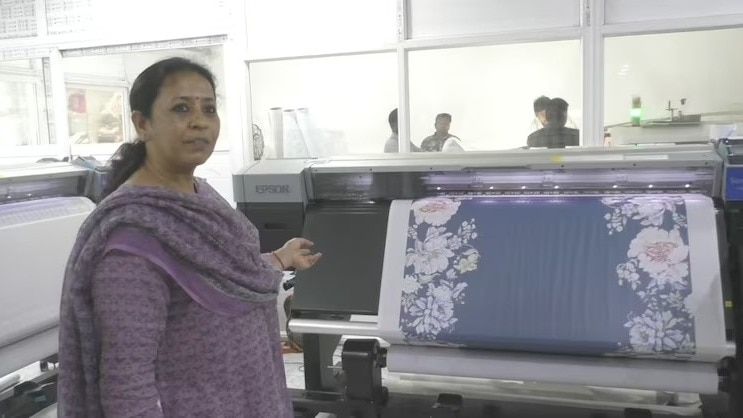
The ODOP Common Facility Centre (CFC) in Jagatpur has become a cornerstone of this growth. Starting with just four employees two years ago, the facility now employs more than 70 people. It offers specialized services like digital printing, screen printing, and dyeing, allowing small-scale weavers to access high-end technology without massive personal investment.
Modernization Through Subsidies
Entrepreneurs like weaver Shailesh Singh are leveraging the ODOP scheme's benefits, including a 25% subsidy (capped at Rs 10 lakh), to upgrade their machinery. This increased production capacity directly translates into more jobs. As units expand, they require more operators, maintenance staff, and pattern designers, effectively turning a traditional craft into a modern manufacturing cluster.
| Feature | Traditional Model | ODOP-Driven Model |
|---|---|---|
| Technology | Manual Looms | Digital Printing & Modern Machinery |
| Job Diversity | Primarily Weavers | Designers, Operators, Dyeing Experts |
| Accessibility | Fragmented Workshops | Centralized Common Facility Centres |
Frequently Asked Questions
1. What is the impact of the ODOP scheme on local employment?
It expands the job market by introducing technical roles like machine operation and digital design into traditional sectors.
2. How does the Common Facility Centre help small weavers?
It provides access to expensive, specialized machinery like digital printers, reducing the need for individual capital investment.