The Petroleum Ministry has issued a mandate to prioritize Piped Natural Gas (PNG) over LPG cylinders. Residents in PNG-enabled areas who fail to switch after receiving notices face disconnection of their LPG services.
- The Petroleum Ministry has directed states to aggressively promote PNG usage.
- LPG connections may be automatically cancelled in areas where PNG infrastructure is active.
- Under 'LPG Control Order 2026', dual connections (LPG and PNG) are prohibited.
- The move aims to mitigate global supply chain risks and enhance digital gas distribution.
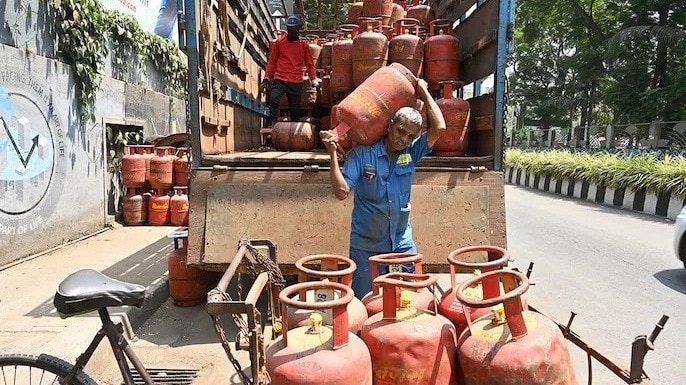
In a significant move to overhaul the domestic fuel landscape, the Government of India has issued a major directive regarding the use of cooking gas. The Petroleum Ministry has instructed all States and Union Territories to expedite the transition from LPG cylinders to Piped Natural Gas (PNG). This strategic shift is designed to reduce the nation's heavy reliance on LPG cylinders and streamline the gas supply chain.
Under the newly implemented regulatory framework, the coexistence of both LPG and PNG connections in a single household is strictly prohibited. According to the mandate, if a residential society or locality has been integrated into the PNG network, residents will be issued formal notices. Failure to adopt the PNG connection following these notices will result in the automatic cancellation of their existing LPG cylinder connections.
Why This Matters
BozokMedia analysis shows that this policy shift is deeply intertwined with global geopolitical volatility. Ongoing tensions between the US and Iran, particularly concerning claims over the Strait of Hormuz, have created significant uncertainty in the energy markets. As oil and gas shipments through this critical maritime corridor face risks, India is looking to build a more resilient domestic infrastructure. Shifting to PNG via pipelines offers a more stable, predictable, and cost-effective energy source compared to the volatile global LPG market.
'The transition from LPG to PNG is a critical step toward ensuring national energy security and minimizing the impact of global supply disruptions.'
To govern this transition, the government has introduced the 'LPG Control Order 2026' and the 'Natural Gas Distribution Order 2026'. These regulations ensure that the distribution process is digitized and safe. Consumers in designated areas will be required to surrender their LPG cylinders to comply with the new mandatory PNG usage guidelines.
To ensure seamless implementation, the government is establishing a PNG Coordination Committee in every district. This committee will comprise representatives from oil distribution companies and City Gas Distribution (CGD) entities. Furthermore, State governments have been directed to appoint the District Supply Officer (DSO) as the Nodal Officer to oversee the transition and manage local grievances effectively.
Frequently Asked Questions
1. Can I keep both LPG and PNG connections if I live in a PNG zone?
No, the new 2026 orders prohibit having both connections; you must switch to PNG once the network is available in your area.
2. What happens if I ignore the PNG connection notice?
If you fail to comply with the notice after the grace period, your LPG cylinder connection will be cancelled by the authorities.