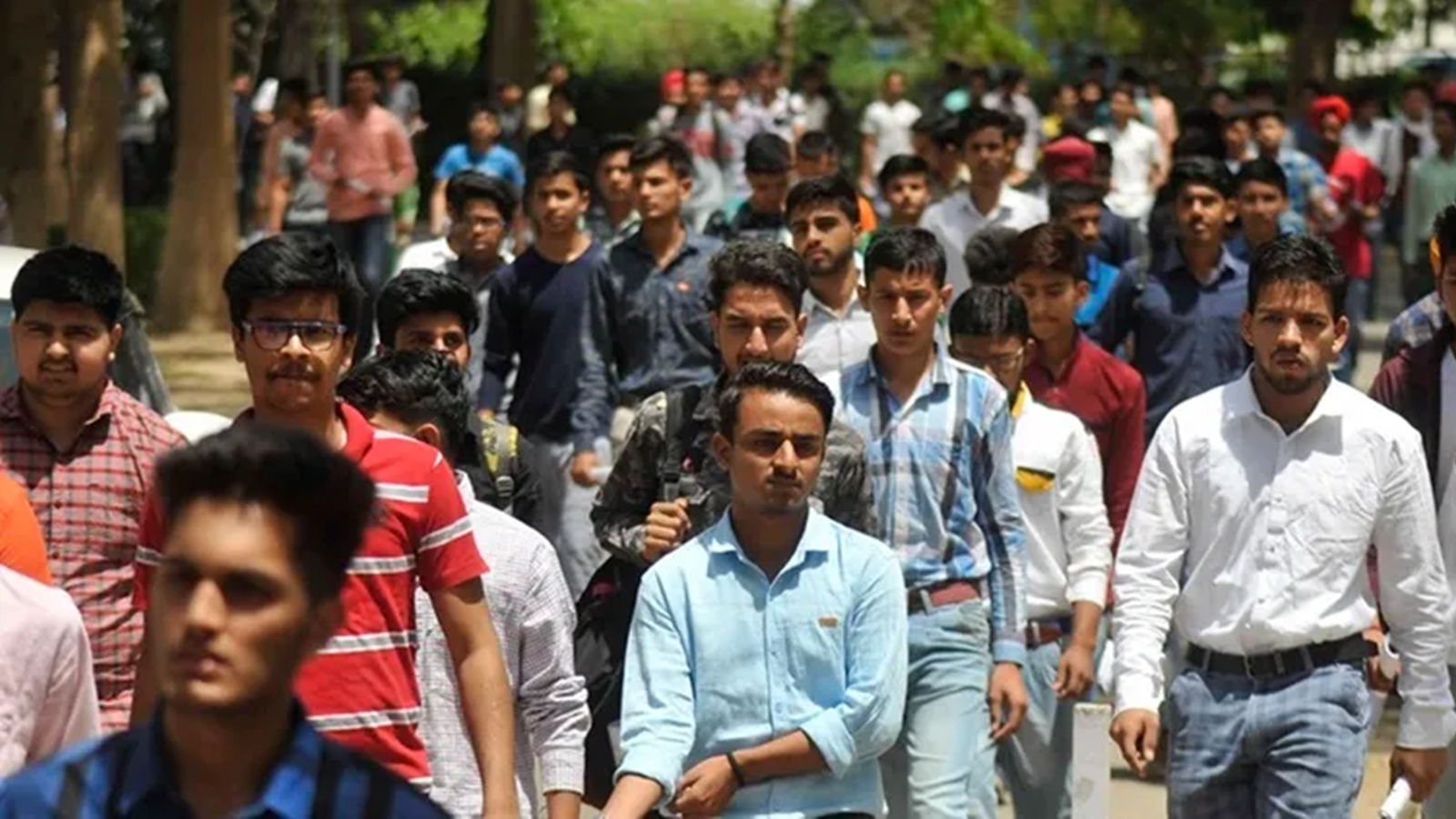
A deep dive into the growing mismatch between the high aspirations of India's urban youth and the grim reality of the current job market.
- 70% of young job seekers demand jobs that align with an 'ideal career path'.
- Salary expectations are nearly 40% higher than actual market earnings.
- Providing accurate market data leads to disillusionment rather than changing aspirations.
- The formal sector lacks the capacity to absorb the growing demand for salaried roles.
What drives the ambitions of urban India's youth? In a landmark study involving over 3,000 residents of Delhi, researchers uncovered a profound disconnect between what the younger generation seeks and what the economy actually offers. This is not merely a story of unemployment, but a story of 'aspirational mismatch'.
The findings reveal that nearly 70 per cent of respondents are not looking for just any job to survive; they are seeking opportunities that place them on a structured, ideal career trajectory. While women show a strong preference for salaried, formal-sector roles, men are increasingly looking toward entrepreneurship. However, both groups share a common goal: dignity and growth through formal employment.
Why This Matters
BozokMedia analysis shows that this misalignment poses a significant risk to India's economic stability. As the demographic dividend approaches its peak, the inability to provide high-quality, formal-sector jobs could lead to widespread disillusionment and a withdrawal of talent from the active workforce.
Aspirations are not easily malleable; for many, high-paying formal jobs are a necessity to recoup the massive investments made in private education.
Comparing these aspirations with Periodic Labour Force Survey (PLFS) data paints a sobering picture. While the youth dream of formal roles, less than 50% of the urban workforce is in salaried positions. For the 24-year-old demographic, the reality is even harsher, with only one in three holding a salaried job. The majority of self-employed individuals are engaged in subsistence-level businesses with minimal turnover.
The Wage Expectation Paradox
The gap between expectation and reality is staggering. Job seekers expect salaries that are approximately 40% higher than what is actually reported in the PLFS. This 'over-optimism' is particularly pronounced among young men. When researchers provided these individuals with accurate information about real-world wages, the result was not a lowering of expectations, but a significant increase in disillusionment and a decline in job-search intensity.
Historical Background
Historically, India's economic shifts have often bypassed the mass creation of manufacturing-based formal jobs, moving instead toward a service-led model. This has created a 'missing middle' in the labor market, where there are high-end tech jobs and low-end informal jobs, but very little in between to satisfy the aspirations of the growing middle class.
| Feature | Youth Aspirations | Market Reality (PLFS) |
|---|---|---|
| Job Type | Formal/Salaried | Predominantly Informal/Self-employed |
| Salary Level | High (Expectation +40%) | Lower (Actual Market Rates) |
| Sector Focus | Private/Public Formal | Subsistence/Small Scale |
Frequently Asked Questions
1. Does providing accurate salary information help job seekers accept lower wages?
No. While it dampens expectations, it often leads to disillusionment and causes youth to drop out of the labor market to pursue further education.
2. Is the demand for formal jobs unique to certain genders?
No, though women show a higher preference for salaried positions compared to men, both genders are actively seeking formal career paths.