In a staggering blow to lenders, the NCLT has approved a repayment plan for Subhash Chandra that offers just ₹6.5 crore against claims exceeding ₹22,000 crore. This massive haircut raises critical questions about India's insolvency regime.
- Creditors face a massive 99.97% haircut, receiving only ₹6.5 crore against ₹22,006.57 crore in admitted claims.
- The NCLT decision stems from personal insolvency proceedings regarding guarantees given by Subhash Chandra.
- The tribunal prioritized the approved repayment plan over complete bankruptcy liquidation.
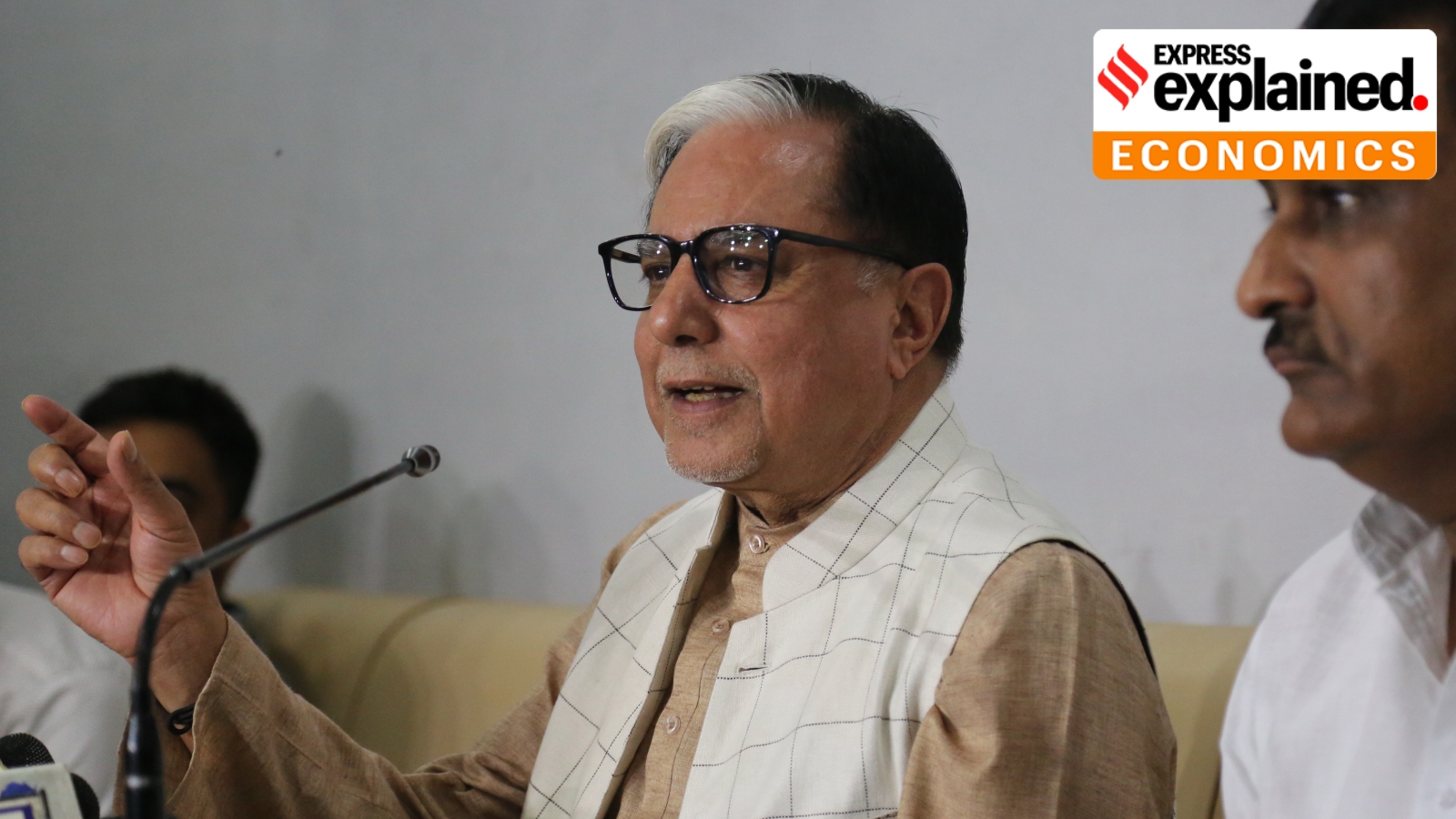
The National Company Law Tribunal (NCLT) has delivered a verdict that has sent shockwaves through the Indian banking sector. In the personal insolvency proceedings against Zee Group founder Subhash Chandra, the approved repayment plan mandates a payout of just ₹6.5 crore against total admitted claims of ₹22,006.57 crore.
This represents a catastrophic 99.97% haircut for the creditors. In financial terms, a 'haircut' refers to the reduction in the value of an asset or the amount a lender must accept to settle a debt. The sheer scale of this write-down forces a confrontation with the effectiveness of India's current insolvency framework.
Why This Matters
BozokMedia analysis shows that this case serves as a grim warning to financial institutions regarding the reliability of promoter guarantees. While personal guarantees are intended to strengthen a lender's position, this case proves that without liquid, enforceable assets, a guarantee can offer virtually zero protection in the face of massive default.
The NCLT order highlights a growing concern: whether the insolvency process is facilitating genuine resolution or merely providing legal cover for massive creditor losses.
The proceedings were triggered in 2024 following a petition by Indiabulls Housing Finance. It is crucial to distinguish this from corporate insolvency; these proceedings concern Chandra’s personal liability arising from guarantees linked to Essel Group-linked companies, rather than the corporate entities themselves.
The decision was reached after a split verdict by a two-member NCLT bench, with judicial member Nilesh Sharma acting as the tie-breaker. The tribunal's logic was pragmatic: the approved plan, despite its microscopic recovery rate, was deemed a better outcome than the potential total loss associated with a full bankruptcy liquidation.
Despite strong objections from creditors—who demanded a forensic investigation into Chandra's financial affairs—the tribunal ruled that such an investigation was not a mandatory precondition for approving the plan. The tribunal emphasized that since a majority of creditors (80.81% voting share) had supported the plan, it should be upheld.
Frequently Asked Questions
1. Why did the NCLT approve such a low repayment amount?
The tribunal concluded that the proposed plan offered a better recovery prospect than the alternative of pushing the debtor into full bankruptcy.
2. Does this affect Zee Entertainment Enterprises?
No, this order pertains to the personal insolvency of Subhash Chandra and his personal guarantees, not the corporate insolvency of Zee Entertainment.