The Shri Halwai Samiti in Jaipur has launched an indefinite boycott of Zomato, citing financially unviable commission structures and unethical promotional practices that erode profit margins.
- 60 prominent sweet shops in Jaipur, including LMB and RMB, have boycotted Zomato.
- Commissions have surged from 0% at inception to as high as 25%.
- Allegations include forced discounts and lack of transparency in billing.
- The National Federation of Sweets and Namkeen Manufacturers (FSNM) has intervened.
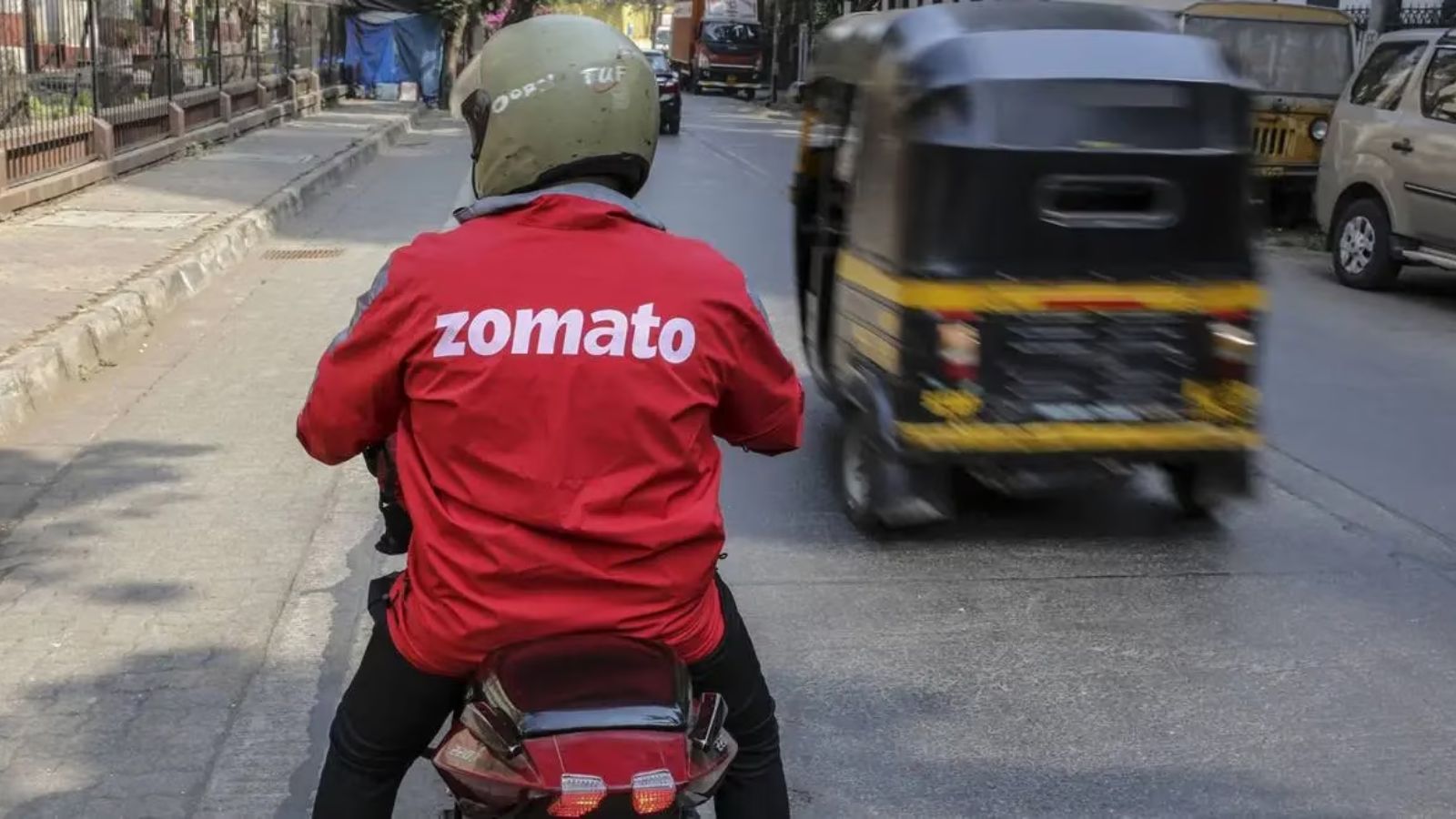
In a significant blow to the food-tech giant, the Shri Halwai Samiti, an apex body representing Jaipur's most prestigious confectioners, has announced an indefinite boycott of Zomato. The association has labeled the platform's operational practices as "unethical" and "financially unviable," sparking a heated debate over the sustainability of the aggregator model.
The boycott includes heavyweights such as Laxmi Misthan Bhandar (LMB)—an institution dating back to 1727—along with Rawat Misthan Bhandar (RMB), Bombay Misthan Bhandar, and others. Ajay Agarwal, proprietor of LMB, highlighted a stark shift in the business model, noting that Zomato entered the market as a zero-commission logistics partner but now demands between 12% and 25% per order.
Why This Matters
BozokMedia analysis shows that this conflict represents a systemic clash between traditional heritage businesses and the data-driven, aggressive scaling strategies of Big Tech. For legacy brands, the brand equity is built over centuries, whereas platforms like Zomato leverage consumer access. When the commission exceeds the thin margins of perishable sweets, the partnership becomes parasitic rather than symbiotic.
Beyond commissions, the Samiti has raised alarms over a lack of transparency. They allege that Zomato frequently implements discount schemes without prior notification to the vendors, forcing the shops to honor these price cuts, which directly eats into their bottom line. Despite multiple emails and formal representations, the Samiti claims Zomato has failed to provide a meaningful resolution.
"The shift from a logistics partner to a dominant price-setter has created a friction point that could trigger a nationwide movement among traditional food vendors."
The ripples of this boycott have reached the national stage. The Federation of Sweets and Namkeen Manufacturers (FSNM) has formally written to Zomato, noting that similar grievances are surfacing in cities like Bengaluru. Director General Firoz Naqvi stated that issues regarding platform costs, promotional deductions, and customer relationship ownership are no longer isolated incidents.
The vendors are calling for a rationalized, uniform commission percentage specifically for the sweets category, citing the unique pricing dynamics and the highly price-sensitive nature of the local consumer base in Jaipur.
Q1: Why did the sweet shops in Jaipur boycott Zomato?
A: They are protesting against high commissions (up to 25%), lack of transparency, and forced discounts implemented without their consent.
Q2: Is this movement limited to Jaipur?
A: While the current boycott is in Jaipur, the FSNM indicates that similar concerns are being raised by members across India, including Bengaluru.