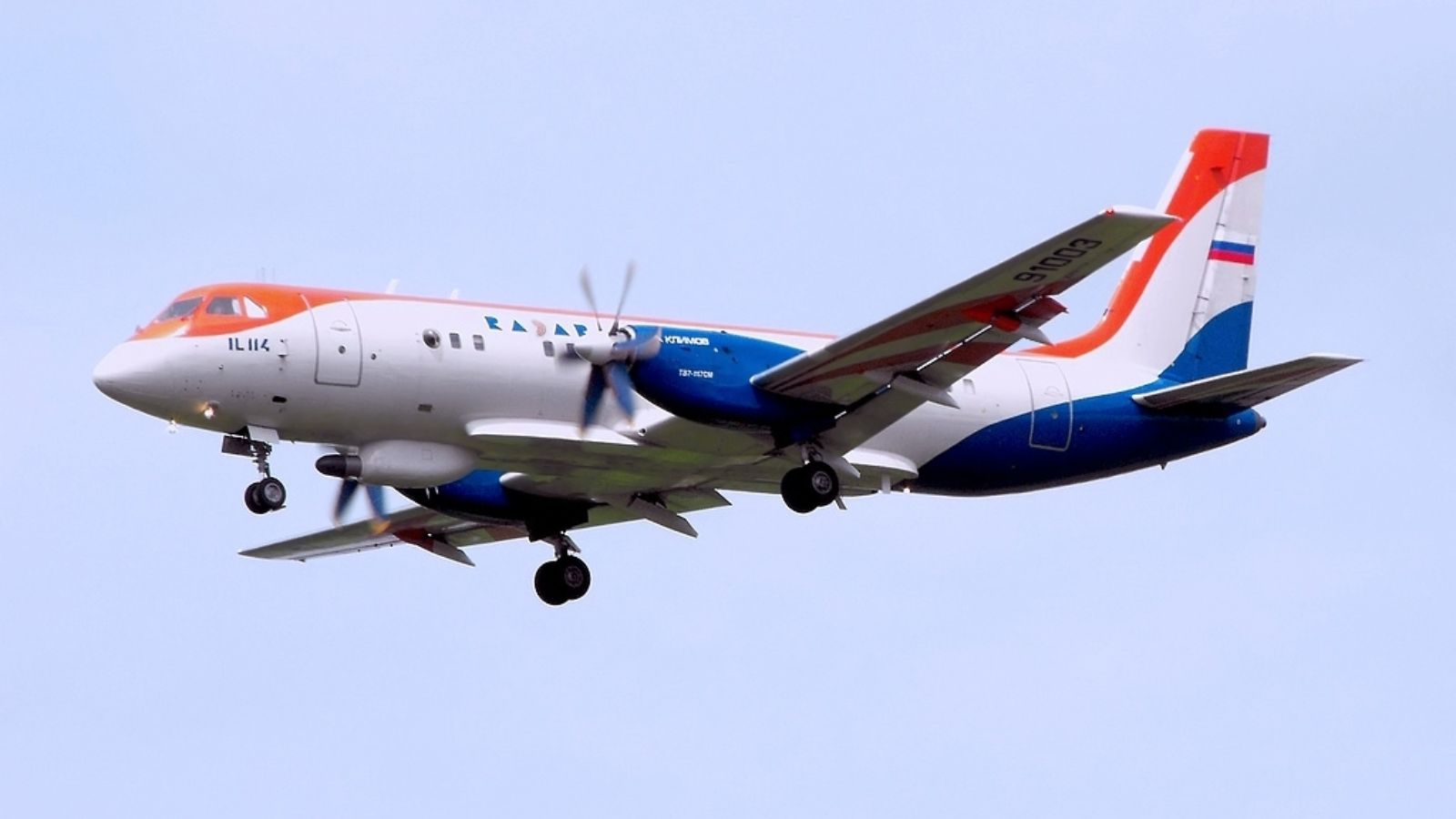
Russia's United Aircraft Corporation (UAC) has signed initial agreements to supply 85 Il-114-300 turboprop aircraft to Indian firms Pinnacle Air and Sleek Aviation, signaling a strategic push into India's growing regional aviation sector.
- UAC signed initial agreements for 85 Il-114-300 aircraft with Indian entities Pinnacle Air and Sleek Aviation.
- The aircraft is positioned as a perfect fit for India's UDAN scheme to boost regional connectivity.
- Russia is leveraging friendly markets like India to offset the impact of Western economic sanctions.
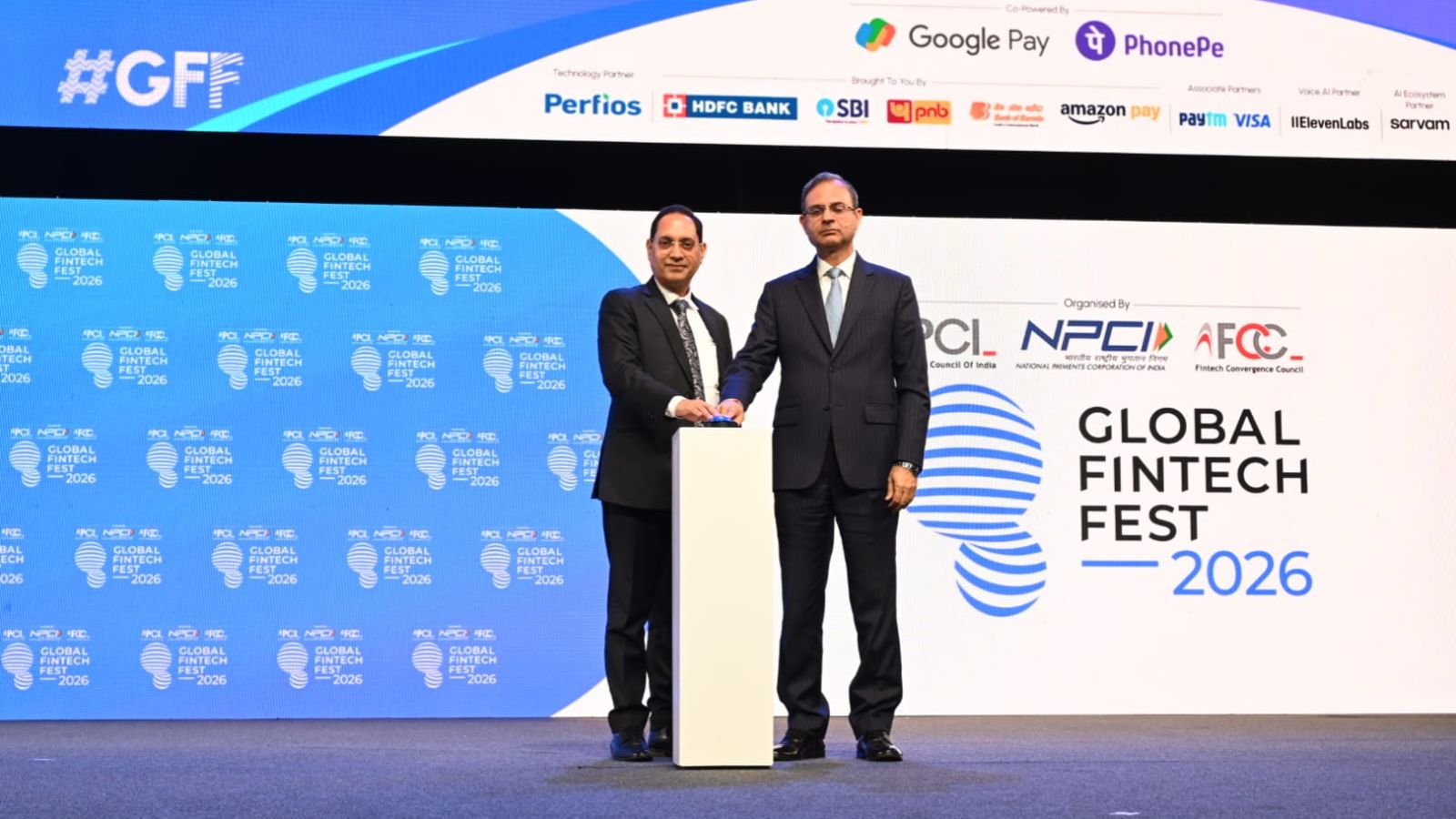
In a strategic move to penetrate India's burgeoning regional aviation market, Russia's United Aircraft Corporation (UAC) has inked initial agreements to supply 85 turboprop Il-114-300 regional aircraft. The deals, announced by Rostec—the state-owned defense and industrial conglomerate and parent of UAC—were signed during the INNOPROM.India trade event in New Delhi, coinciding with the lead-up to the BRICS summit.
The breakdown of the agreements includes a Letter of Intent (LoI) for 50 aircraft to be delivered to Pinnacle Air and a Memorandum of Understanding (MoU) with Sleek Aviation for 35 aircraft. Notably, the deal with Sleek Aviation also encompasses the establishment of a training center equipped with a full-flight simulator. It is crucial to note that these are not yet firm orders but rather a formalization of intent, which UAC hopes to convert into binding contracts by the end of the year.
Why This Matters
BozokMedia analysis shows that this move is a calculated response to the severe US and EU sanctions imposed on Russia following the Ukraine conflict. With traditional Western markets closed, Moscow is pivoting toward "friendly" nations. For India, the arrival of the Il-114-300 could break the current duopoly of regional aircraft manufacturers and provide a cost-effective solution for the UDAN (Ude Desh ka Aam Naagrik) scheme, which aims to make air travel affordable for the masses in Tier-2 and Tier-3 cities.
"India has significant potential for developing regional air travel, and the Il-114-300 is well suited to expanding the route network and improving transport accessibility."
The Il-114-300 is touted as a completely Russian-made aircraft, with its engines and avionics produced domestically. Capable of seating up to 68 passengers, the aircraft is designed for versatility, supporting not only passenger transport but also mail, cargo, and emergency medical rescue operations. Rostec positions the aircraft as a direct competitor to the widely used ATR-72-600.
However, the path to delivery is fraught with challenges. The Russian aerospace industry has a history of production delays and component shortages, exacerbated by the current sanctions regime. While India has historically opposed unilateral sanctions, Indian firms often remain cautious to avoid secondary sanctions from Washington, which could jeopardize their global operations.
| Feature | Il-114-300 (Russia) | ATR-72-600 (Europe) |
|---|---|---|
| Passenger Capacity | Up to 68 | 70-78 |
| Primary Use | Regional/Cargo/Rescue | Regional Passenger |
| Origin | 100% Russian | French-Italian |
Beyond simple sales, UAC CEO Vadim Badekha has hinted at a deeper industrial partnership. This could involve the localization of components and potentially the full-scale production of the Il-114-300 within India. This aligns with India's broader ambition to become a global aerospace manufacturing hub, similar to the ongoing negotiations for the SJ-100 regional jets with Hindustan Aeronautics Limited (HAL).
Frequently Asked Questions
1. Are these 85 aircraft orders finalized?
No, they are currently Letters of Intent and MoUs. They represent a formal expression of interest and are expected to become firm orders by year-end.
2. Will US sanctions hinder this deal?
Potentially. Since Rostec and UAC are sanctioned, the Indian entities must navigate complex legal landscapes to avoid secondary US sanctions.