The RBI and SEBI have introduced 'Demat 2.0', a pioneering pilot program leveraging blockchain and CBDC to tokenise corporate bonds and democratise access for retail investors.
- RBI and SEBI launch 'Demat 2.0' to test tokenisation of corporate bonds.
- Utilises Blockchain and Central Bank Digital Currency (CBDC) for near-instant settlement.
- Enables fractional ownership, allowing retail investors to buy high-value bonds in small units.
In a landmark move to modernize India's financial infrastructure, the Reserve Bank of India (RBI) and the Securities and Exchange Board of India (SEBI) have launched 'Demat 2.0'. This pilot program is designed to test the tokenisation of corporate bonds, aiming to streamline settlement processes through the integration of blockchain technology and the Central Bank Digital Currency (CBDC).
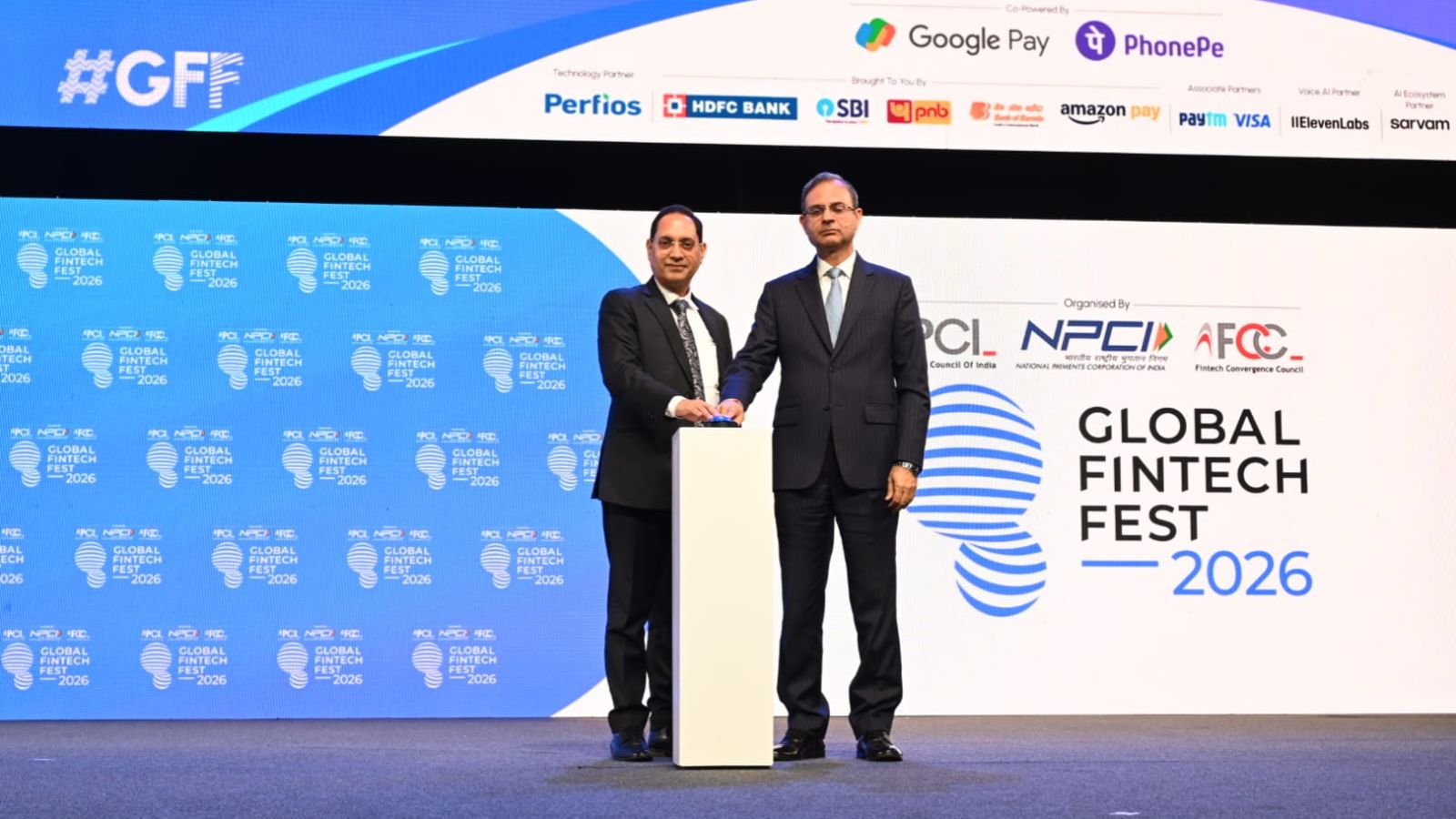
Speaking at the Global Fintech Fest in Mumbai, SEBI Chairman Tuhin Kanta Pandey explained that the initiative explores whether distributed ledger technology (DLT) can bridge the gap between security and settlement, enabling faster transactions and the automation of asset servicing. The project involves a powerhouse consortium including CDSL, NSDL, BSE, NSE, HDFC Bank, ICICI Bank, and the NPCI.
The pilot has commenced with three issuances, most notably a ₹500 crore issue by Larsen & Toubro (L&T), which has already attracted significant interest from institutional giants like SBI, Axis Bank, and SBI Mutual Fund.
Why This Matters
BozokMedia analysis shows that while 'Demat 1.0' (launched in 1996) was about moving from paper to digital records, 'Demat 2.0' is about fundamentally changing the nature of ownership. By using smart contracts, the system allows for 'fractional ownership'. For instance, a bond with a face value of ₹10 lakh can be broken into smaller tokens, allowing a retail investor to enter the market with as little as ₹100. This effectively removes the entry barrier for the average Indian citizen in the corporate debt market.
"India has the opportunity to become a trusted partner in shaping the future architecture of global finance." - RBI Governor Malhotra
The scope of this experiment is expected to expand beyond bonds. RBI Executive Director P. Vasudevan mentioned that the central bank is already exploring a gold tokenisation program, with potential future extensions into equities and mutual funds.
Parallelly, the leadership addressed the integration of Artificial Intelligence (AI) in banking. RBI Governor Malhotra emphasized that while AI adoption is critical, it must be balanced with cybersecurity and data privacy. SBI Chairman CS Setty introduced the '3 A's' framework for AI in banking: Accuracy, Accountability, and Affordability, insisting that in banking, 99% accuracy is insufficient; 100% reliability is the only acceptable standard.
| Feature | Demat 1.0 (1996) | Demat 2.0 (Current) |
|---|---|---|
| Primary Goal | Digitization of paper shares | Tokenisation of assets |
| Technology | Centralized Databases | Blockchain / DLT / CBDC |
| Accessibility | Institutional / HNI | Retail (Fractional Ownership) |
Frequently Asked Questions
1. What is tokenisation in finance?
Tokenisation is the process of converting rights to a real-world asset into a digital token on a blockchain, allowing the asset to be divided into smaller, tradable fractions.
2. How does CBDC help in Demat 2.0?
The CBDC acts as the digital settlement asset, allowing for the simultaneous exchange of the bond token and the payment, eliminating the traditional waiting period for settlement.