Brent crude oil has breached the $100-per-barrel mark due to West Asia conflicts, threatening India's trade balance. Meanwhile, record-high copper prices are signaling a complex global economic recovery.
- Brent crude oil has crossed the psychologically critical $100-per-barrel threshold.
- India imports over 88% of its petroleum needs, making it highly vulnerable to price shocks.
- Copper prices have hit a record high of $14,708 per tonne, acting as a global economic barometer.
- Every $1 increase per barrel raises India's annual oil import bill by approximately $2 billion.
The international crude oil benchmark, Brent, has once again surged past the $100-per-barrel mark, driven by the escalating conflict in West Asia. Attacks on petroleum infrastructure and oil tankers in the region have created a volatile market, causing oil prices to jump by over 25% since early August. For India, this is not merely a market fluctuation but a significant macroeconomic challenge.
As the world's third-largest consumer of crude oil, India's dependence on imports is staggering, exceeding 88%. This heavy reliance means that any meaningful increase in energy prices acts as an 'external tax' on the Indian economy. Such shocks directly impact the trade balance, widen the current account deficit, and exert downward pressure on the exchange rate of the Indian Rupee.
Why This Matters
BozokMedia analysis shows that energy price volatility creates a ripple effect across the domestic economy. Higher import costs lead to 'imported inflation,' where the cost of logistics and manufacturing rises, eventually increasing the retail prices of essential goods and services, thereby affecting the overall GDP growth trajectory.
"Energy security is the cornerstone of monetary stability; without it, a nation remains hostage to geopolitical whims."
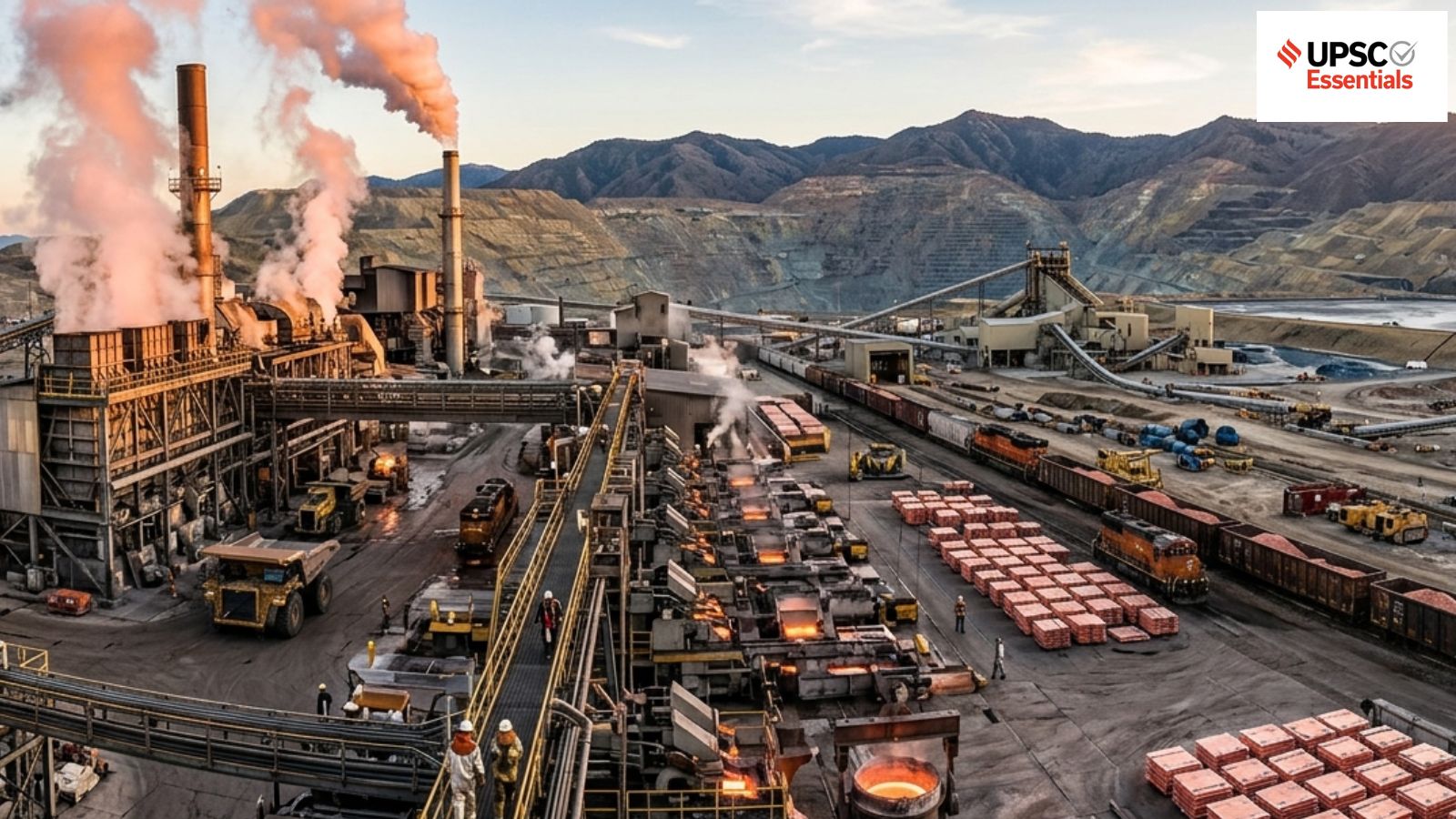
Parallel to the energy crisis, the industrial metal market is witnessing a surge in Copper prices, reaching a record high of $14,708 per tonne. Copper, often referred to as the 'red metal,' is fundamental to the modern industrial age. Its applications span from traditional housing and manufacturing to cutting-edge sectors like Artificial Intelligence (AI), clean energy, and defense.
In economic circles, copper is viewed as a barometer of global economic health. A rise in copper prices typically signals robust industrial activity and growth, while a decline often foreshadows an economic slowdown. The current surge reflects the indispensable role of copper in the global transition toward green energy and digital infrastructure.
| Factor | Crude Oil | Copper |
|---|---|---|
| Impact on India | Increased Import Bill & Inflation | Industrial Cost & Infrastructure Impact |
| Economic Signal | Indicator of Geopolitical Instability | Barometer of Global Economic Growth |
| Strategic Role | Essential for Energy Security | Essential for Tech & Green Transition |
Frequently Asked Questions
Q1: How does a rise in oil prices affect the Indian Rupee?
Answer: Higher oil prices increase the demand for US Dollars to pay for imports, which leads to the depreciation of the Rupee against the Dollar.
Q2: Why is copper considered a signal for economic growth?
Answer: Because copper is used in almost every major construction and technology project, its demand rises only when the global economy is expanding.