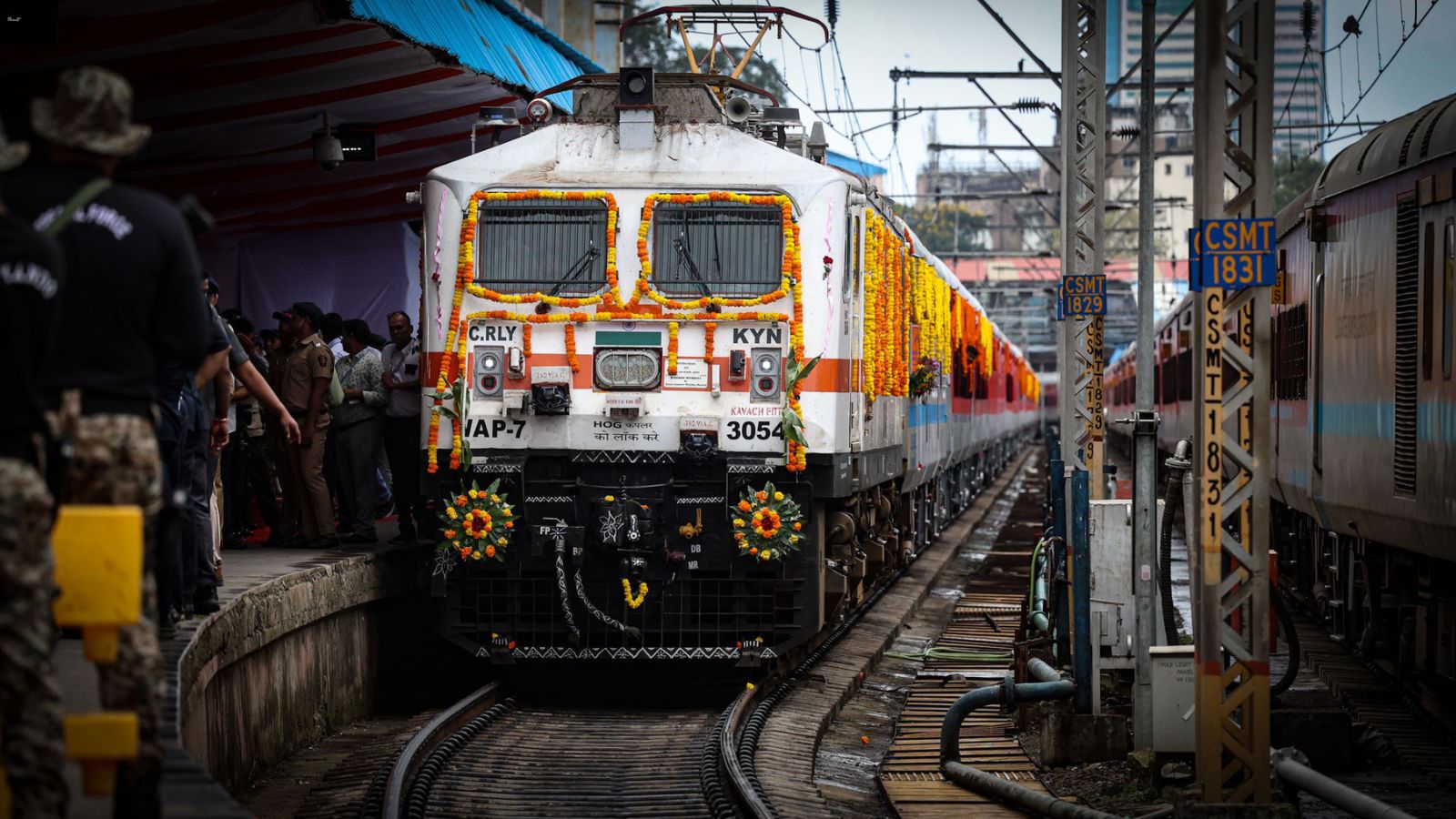
Indian Railways reported a significant surge in passenger traffic for August 2026, reaching 67.27 crore commuters. Suburban rail services saw a notable 9% year-on-year growth, driven by expanded services and festive demand.
- Total passenger traffic reached 67.27 crore in August 2026.
- Suburban passenger travel grew by 9.02% compared to last year.
- Freight movement increased by 5.4%, reaching 137.9 million tonnes.
- Introduction of Amrit Bharat trains and special festival services boosted capacity.
Indian Railways has demonstrated robust growth in passenger movement during August 2026. According to data released by the Ministry of Railways, the national transporter carried 67.27 crore passengers, a significant increase from the 64.43 crore passengers recorded in the same month last year. This upward trajectory is attributed to the continuous expansion of passenger services and the strategic addition of new trains and extra coaches to meet rising demand.
Suburban Rail Growth Surge
A major highlight of this report is the performance of suburban rail networks, which serve as the lifeline for millions in urban metropolitan areas. In August 2026, 38.01 crore passengers utilized suburban services, compared to 34.89 crore in August 2025. This 9.02% year-on-year growth underscores the heavy reliance on affordable, high-frequency local rail services in densely populated urban corridors.
The synchronized growth in both suburban and long-distance travel highlights a successful expansion of the rail network's operational capacity.
Impact of Festive Seasons and New Services
To cater to the massive influx of travelers during the Rakshabandhan festival, the Railways significantly ramped up its operations. A total of 144 special train trips were operated between August 25 and 31, 2026, a massive jump from the 48 trips operated during the same period in 2025. Furthermore, the introduction and regularization of Amrit Bharat train services have enhanced long-distance connectivity, providing affordable travel options on key routes such as Gorakhpur–Delhi Jn and Ahmedabad–Bhagalpur.
Why This Matters
BozokMedia analysis shows that the simultaneous increase in passenger volume and freight movement serves as a critical indicator of India's macroeconomic health. The ability of the Railways to scale operations during festive seasons while simultaneously expanding industrial logistics via Gati Shakti Cargo Terminals (GCTs) demonstrates a dual focus on social mobility and industrial efficiency.
Strengthening the Freight Network
Parallel to passenger growth, the Railways' freight sector has also seen a healthy uptick. In August 2026, the transporter moved 137.9 million tonnes of freight, marking a 5.4% increase from the 130.9 million tonnes moved in August 2025. This growth was primarily driven by high demand in sectors such as coal, iron ore, steel, and fertilizers. Consequently, freight revenue also saw a 6.27% increase.
| Metric | August 2025 | August 2026 | Growth (%) |
|---|---|---|---|
| Total Passengers (Crore) | 64.43 | 67.27 | ~4.4% |
| Suburban Passengers (Crore) | 34.89 | 38.01 | 9.02% |
| Freight (Million Tonnes) | 130.9 | 137.9 | 5.4% |
The expansion of the logistics network continues with the commissioning of 5 new Gati Shakti Cargo Terminals in states like Gujarat, Tamil Nadu, and Uttar Pradesh, bringing the total number of commissioned terminals to 149.
Frequently Asked Questions
1. How much did suburban travel increase this year?
Suburban travel saw a year-on-year growth of 9.02%.
2. What was the total freight moved in August 2026?
Indian Railways transported 137.9 million tonnes of freight in August 2026.