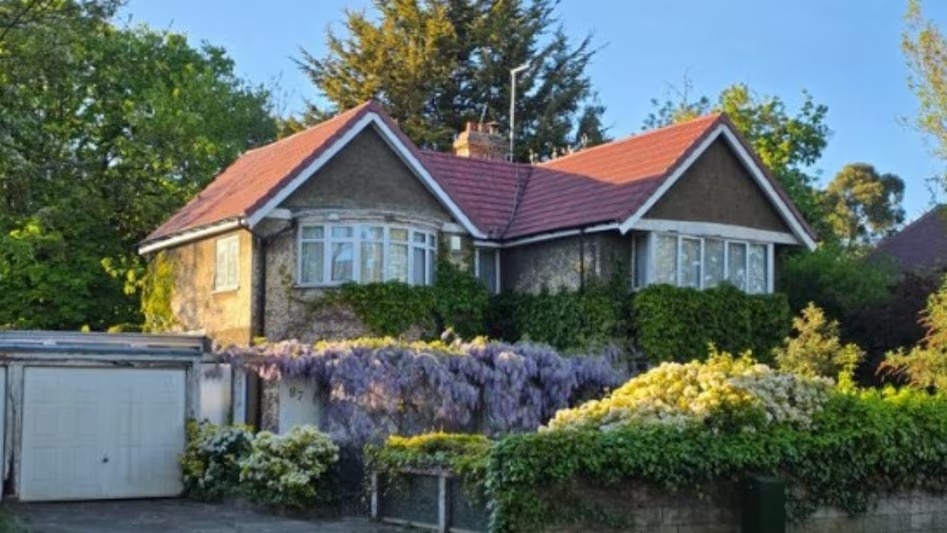
Unprecedented heatwaves and prolonged droughts in London are causing clay soil to shrink, leading to structural cracks in homes and rising insurance costs.
- Clay-rich soil in London is shrinking due to extreme heat and drought.
- Homeowners are reporting cracked walls, sticking doors, and jammed windows.
- Insurance claims related to subsidence have hit record highs in the UK.
Residents across London and South-East England are facing a growing geological threat as abnormal heatwaves and prolonged dry spells wreak havoc on residential properties. Experts warn that the phenomenon known as subsidence—the sinking of ground caused by soil movement—is becoming a critical issue driven by shifting climate patterns.
The core of the problem lies in the region's geological makeup. Much of London is built upon clay soil, which possesses a unique 'shrink-swell' property. When moisture is abundant, the clay expands; however, during intense heat and drought, the soil loses moisture and contracts significantly. When this contraction occurs unevenly beneath a structure, it exerts immense pressure on the foundations, leading to structural instability.
Why This Matters
BozokMedia analysis shows that this is not merely a localized construction issue but a systemic risk to the UK's real estate stability. With more than half of London's housing stock dating back to before 1945, many buildings possess shallow foundations that are ill-equipped to handle the dramatic shifts in soil volume caused by modern weather extremes.
The intersection of clay soil mechanics and climate change represents a silent threat to the long-term structural integrity of urban environments.
Adding to the complexity, local vegetation plays a significant role. Large trees planted near properties can exacerbate the drying process. During droughts, tree roots penetrate deeper into the earth to seek moisture, effectively stripping the soil around the house of the water it needs to maintain volume, further accelerating shrinkage.
Historical Context and Economic Impact
According to the British Geological Survey, subsidence remains one of the most significant geological hazards facing the United Kingdom. Historically, urban development has managed these risks, but the increasing frequency of extreme weather events is pushing current mitigation strategies to their limits.
| Driver | Impact on Property |
|---|---|
| Extreme Heat/Drought | Rapid soil shrinkage and foundation movement |
| Large Vegetation | Deep moisture extraction near foundations |
| Pre-1945 Housing | Higher vulnerability due to shallow footings |
The economic fallout is already evident in the insurance sector. In 2025, the UK insurance industry paid out a record $415 million for subsidence-related claims, marking a 10% increase from the previous year. By the second quarter of 2026, claims had already surpassed $97 million, with average claim amounts reaching a record $27,000. This surge is driving up insurance premiums and causing some providers to withdraw coverage from high-risk areas.
Frequently Asked Questions
1. What exactly causes subsidence?
Subsidence occurs when the ground beneath a building moves, often due to soil shrinking (from drought) or swelling (from excessive water).
2. How can I protect my home from this risk?
Maintaining proper drainage, managing large trees near the house, and ensuring adequate insurance coverage are key preventative measures.