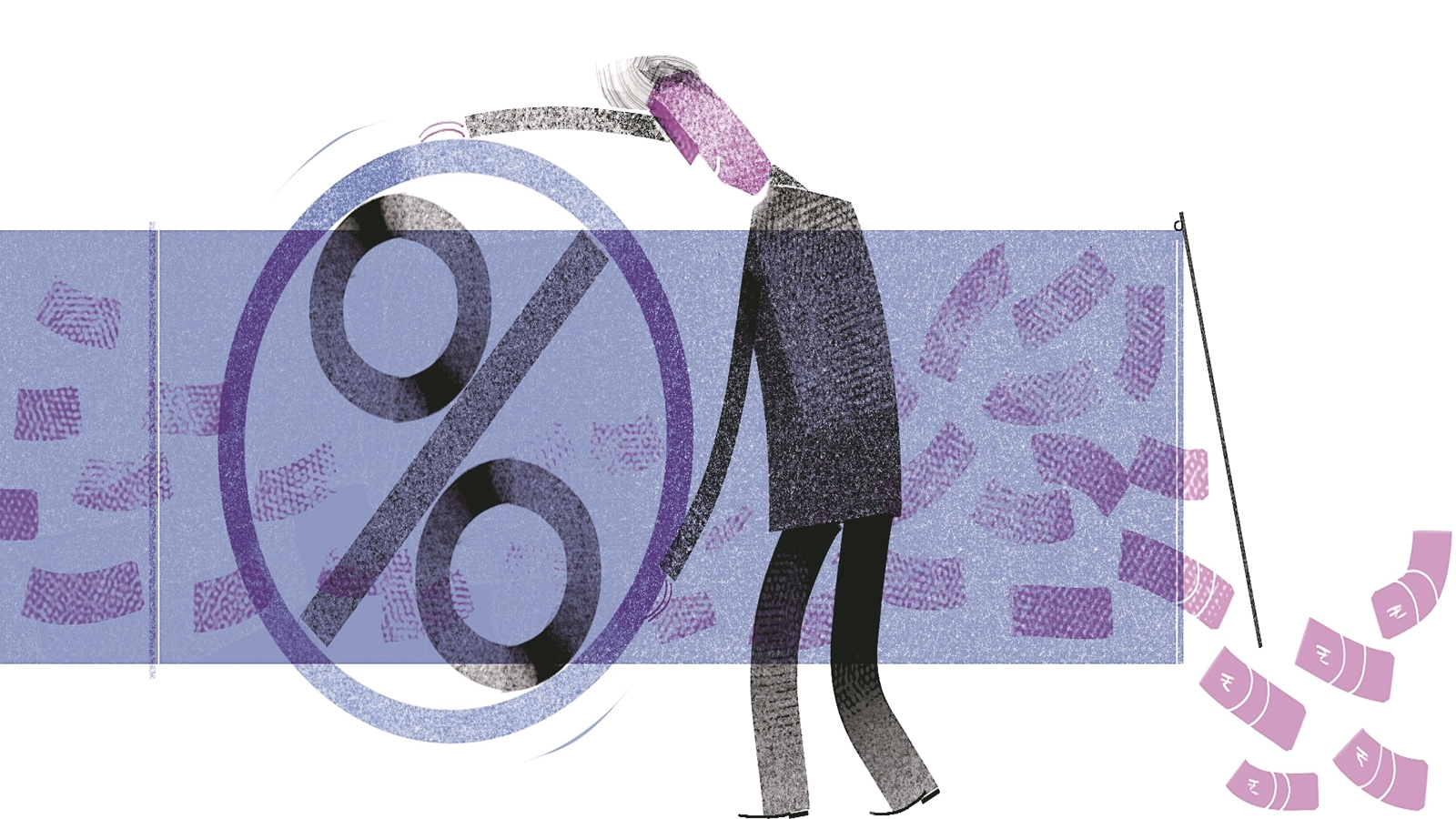
Former Finance Minister P Chidambaram critiques India's reported GDP growth, highlighting the disconnect between statistical prosperity and the harsh reality of unemployment and stagnant wages.
- Statistical GDP growth of 7.8% does not align with public sentiment.
- Youth unemployment (15-29 years) remains alarmingly high at 16.2%.
- Real wages for casual laborers have seen a negative growth of -5.5%.
- Manufacturing sector participation remains stagnant at 13% of nominal GVA.
In a scathing critique of India's current economic trajectory, former Finance Minister P Chidambaram has argued that the country's GDP numbers fail to reflect the lived reality of its citizens. While the government celebrates a growth rate of 7.8% in constant prices, Chidambaram posits that "people don't eat GDP numbers." Instead, they rely on consumption—food, clothing, education, and healthcare—which does not seem to be flourishing in tandem with the statistics.
The Ministry of Statistics and Programme Implementation (MoSPI) recently released Q1 2026-27 figures, showing a nominal growth of 10.3%. While government economists view this as a sign of strength, skeptics, led by Chidambaram, question the credibility and the trickle-down effect of this growth. He notes that the economy hasn't actually shifted into a higher gear; it is merely maintaining its previous pace.
Why This Matters
BozokMedia analysis shows that a disconnect between macroeconomic indicators and microeconomic reality can lead to significant social unrest. When Gen Z and the working class feel economic deterioration despite positive government reports, the social contract begins to fray.
The true test of economic health lies not in aggregate numbers, but in measurable parameters like jobs, wages, and consumption.
Chidambaram highlights several critical failures. Most notably, the unemployment rate among the 15-29 age group stands at a staggering 16.2%, while graduates in the 29-34 age bracket face unemployment rates as high as 40-45%. Furthermore, the decline in real wages—specifically a 5.5% drop for casual workers—suggests that even those who are employed are becoming more impoverished.
| Economic Parameter | Reported Value / Trend |
|---|---|
| Youth Unemployment (15-29 yrs) | 16.2% |
| Real Wage Growth (Casual Labor) | -5.5% |
| Manufacturing Share (Nominal GVA) | ~13% (Stagnant) |
| Trade Deficit (April-August 2026) | $150 Billion |
The analysis also points toward structural weaknesses, such as low net Foreign Direct Investment (FDI) despite high forex reserves, and a widening trade deficit. Despite schemes like 'Make in India' and PLI, the manufacturing sector's contribution to the nominal GVA remains stuck at around 13%, failing to reduce the heavy reliance on imports, particularly from China.
Frequently Asked Questions
1. What is the main criticism raised by P Chidambaram?
He argues that the high GDP growth rate is not translating into better jobs, higher wages, or improved public goods for the common citizen.
2. Why is the manufacturing sector a concern?
Despite various government incentives, its share in the nominal GVA has remained stagnant, failing to drive significant industrial growth.
Editor Comment
Chidambaram's critique is a vital reality check. If consumption and employment do not mirror GDP growth, the statistical success will remain a hollow victory for the Indian populace.