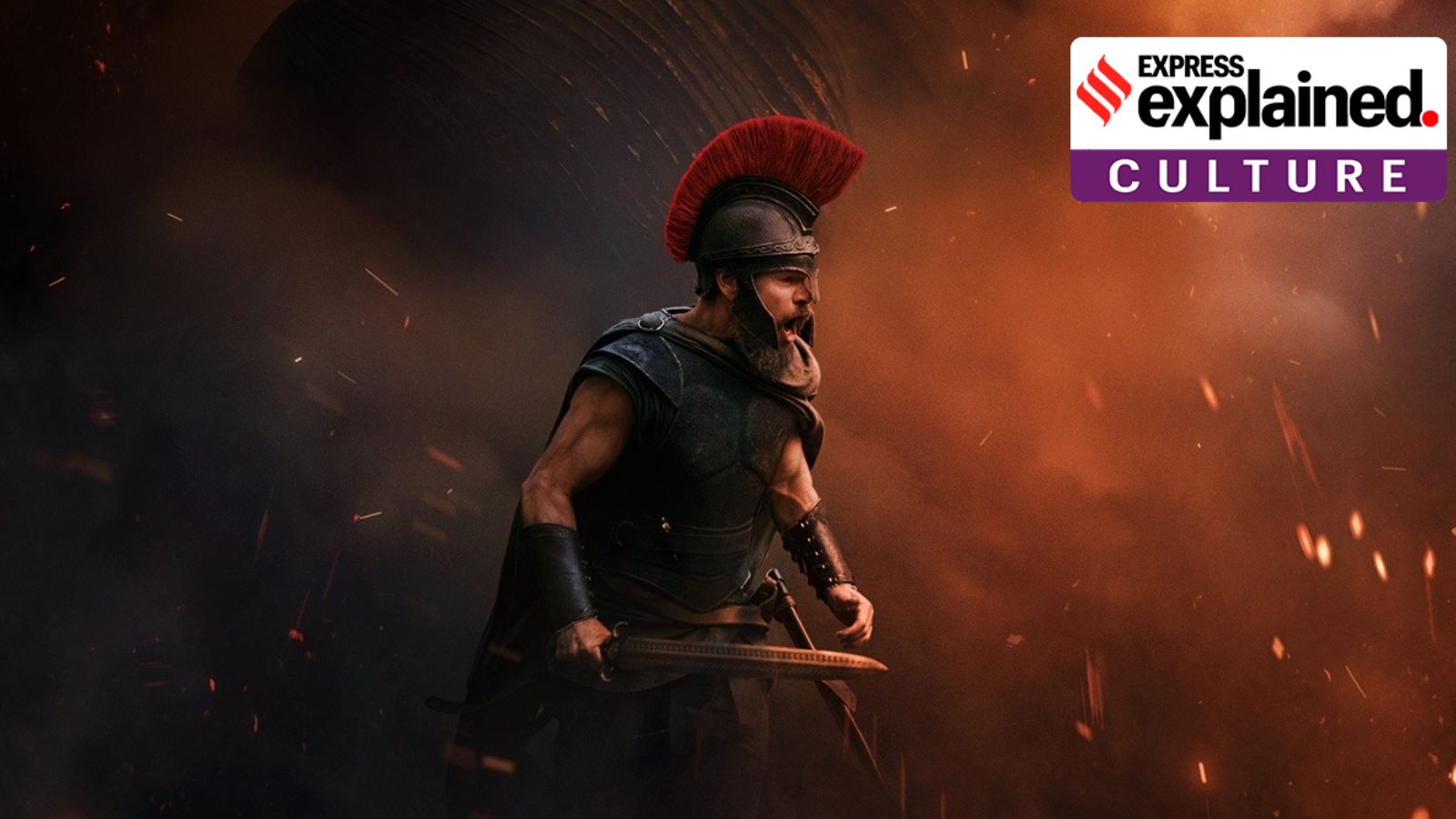
Christopher Nolan’s adaptation of The Odyssey hits theatres on July 17, bringing the ancient Greek epic to a modern audience. This article breaks down the original poem’s plot, characters, themes, and the key differences introduced in the film.
Key Takeaways
- Nolan’s film opens with the Trojan Horse episode
- Significant deviations from Homer’s original poem
- Divine interventions reimagined with modern visual flair
Christopher Nolan’s Odyssey is set to debut in Indian cinemas on July 17, promising a fresh visual take on one of Western literature’s oldest surviving works. Written nearly three millennia ago, the epic chronicles Odysseus’s ten‑year struggle to return home after the Trojan War, a journey populated by gods, monsters, and timeless human dilemmas. While many recognize its iconic elements—Cyclops, Sirens, Trojan Horse—few have actually read Homer’s verses. This guide equips first‑time readers and movie‑goers alike with the essential context before they step into the theater.
What Is The Odyssey? – Historical Significance
Traditionally attributed to the blind poet Homer, The Odyssey, alongside the Iliad, dates to the 8th century BCE. In literary terms, an “epic” is a lengthy narrative poem that celebrates heroic deeds, divine intervention, and the struggle of extraordinary individuals. The Odyssey is widely regarded as the archetype of the “hero’s journey,” influencing storytelling across centuries, from ancient drama to contemporary blockbuster scripts.
Key Differences Between Poem and Film
Homer’s poem famously begins *in medias res*—Odysseus stranded on the island of Calypso, far from the start of the Trojan War. Nolan’s version, however, launches with the clever ruse of the Trojan Horse, showing Odysseus as the mastermind behind the wooden ploy. Moreover, the film weaves in motifs from Virgil’s Aeneid and Aeschylus’s tragedy Agamemnon, expanding the narrative beyond a strict, page‑for‑page adaptation. This broader mythic canvas creates a richer, though less literal, homage to the Trojan tradition.
Divine Players and Modern Visuals
In the original, gods are active agents: Athena guides Odysseus for her own amusement, while Poseidon, angry over the blinding of his son Polyphemus, unleashes relentless storms. Nolan translates these divine interventions into state‑of‑the‑art visual effects, giving the audience a palpable sense of “apparent magic.” Scholar Emily Wilson notes that Athena’s favoritism stems not from moral superiority but from admiration of Odysseus’s wit—a nuance the director highlights in interviews.
Why It Matters for Today’s Audience
Viewers should expect a streamlined storyline; secondary characters and side quests are trimmed to fit a two‑hour runtime. Yet the core themes—yearning for home, the cost of hubris, and the interplay of mortal agency with divine caprice—remain intact. Nolan’s adaptation therefore serves as both an entry point for newcomers to the classic and a bold reinterpretation that may challenge purists.